
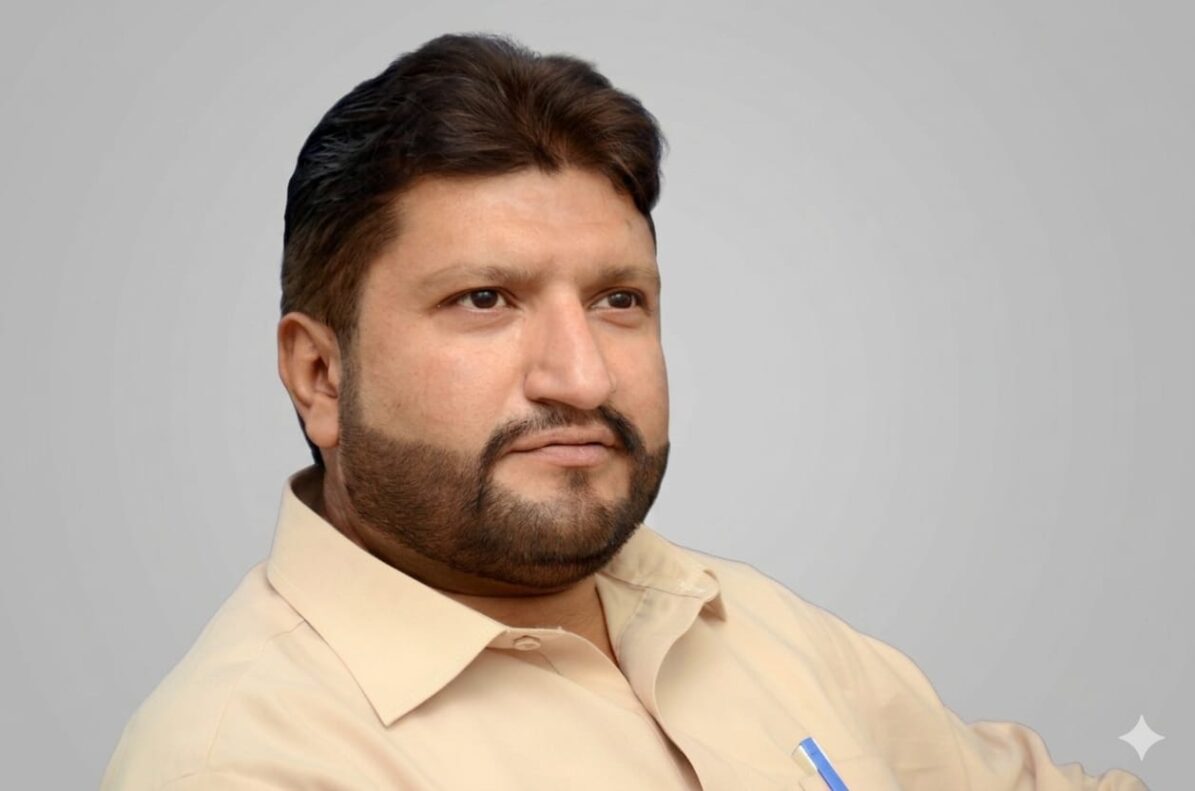
Amjad Hadi Yousafzai
The literary world is full of noise, yet genuine voices are few. There are countless claims, but little substantial work. There are more photographs than books. In such an environment, when a writer quietly devotes years to the discipline of writing, makes significant contributions across multiple literary genres, fulfills responsibilities in research, creative writing, translation, and children’s literature, and allows their work rather than self-promotion to define their identity, then discussing such a personality becomes more than an introduction—it becomes an acknowledgment of a literary tradition. Kulsoom Zaib is one of those distinguished writers who have earned recognition not through praise or publicity but through their books and unwavering literary dedication.
Kulsoom Zaib is not among those writers who excel at self-promotion. She firmly believes that a writer’s true introduction lies in their books, not in their own praise. Perhaps this is why she has always preferred producing work that invites discussion among literary circles while also engaging the general reader. Her honesty and principled nature have occasionally brought challenges, yet she has never allowed flattery, factionalism, or expediency to become stepping stones in her literary journey. This quality distinguishes her from many of her contemporaries.
Kulsoom Zaib’s literary journey is not confined to a single genre. She is a poet, short story writer, novelist, researcher, critic, translator, and children’s author. This versatility is undoubtedly the brightest aspect of her literary personality.
Her first collection of poetry, Tazhe Stargay (2000), beautifully reflects sensitive emotions, feminine consciousness, and inner experiences in Pashto poetry. It was followed by Lams-e-Hayat (2016), which established her creative identity in Urdu poetry, while Zhalanda Sabaoon (2018) emerged as a symbol of hope, life, and optimism.
In fiction, her collections Tor Gulab (The Black Rose) and Bora Jenai (The Orphan Girl) represent her remarkable creative insight. Her stories vividly portray women’s inner emotions, social injustices, the delicacy of human relationships, and changing societal attitudes. Her characters do not remain confined to the pages of books; they continue to live in the minds of readers.
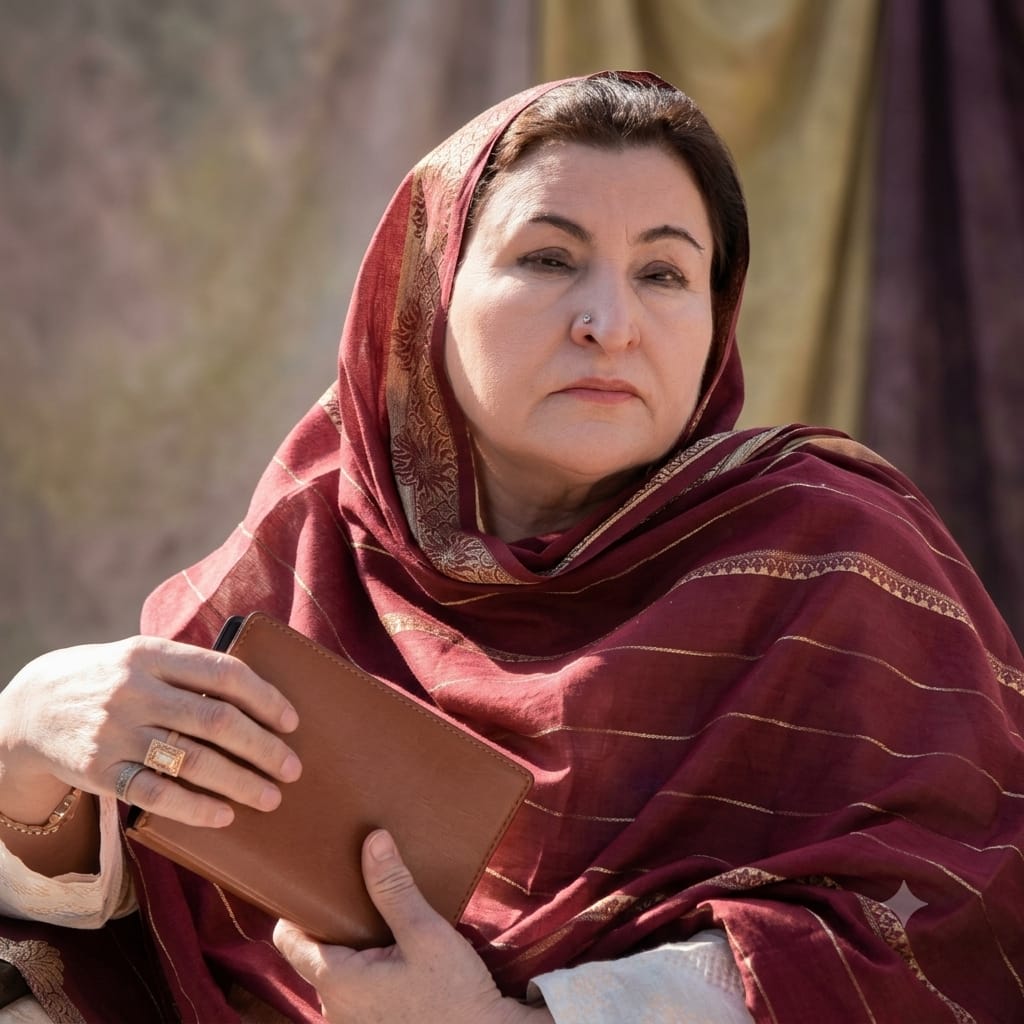
In the field of novel writing, Chand Gul established her among serious literary novelists, while Penzha Kirdarona (Five Characters) presents a compelling blend of historical consciousness and literary imagination, securing a distinctive place in Pashto fiction.
Her scholarly contributions are equally noteworthy. The two volumes of Pashtane Malghalray hold special significance. Comprehensive research on the literary achievements of Pashtun women writers is exceedingly rare, making these books not merely works of scholarship but valuable efforts to preserve the literary history of Pashtun women. Likewise, Pashto Novel 1947 Ta Hal serves as a comprehensive academic study of the history, evolution, and intellectual dimensions of the Pashto novel.
Her work Salma Shaheen: Art and Personality, written for the Pakistan Academy of Letters, exemplifies her scholarly insight and academic integrity. Similarly, Selected Short Stories of Pashtun Women Writers, which she researched, compiled, and translated from Pashto into Urdu, represents an important effort to strengthen literary ties between the two languages.
Kulsoom Zaib’s contributions to translation are equally significant. By translating novels such as Za Sozam (I Burn) and Nimgaray (Incomplete) from Urdu into Pashto, she has helped bridge the intellectual and literary gap between readers of both languages. A skilled translator does more than translate words; they also convey culture, emotion, and thought. Kulsoom Zaib has fulfilled this responsibility with remarkable competence.
Her services to children’s literature are equally admirable. She has written forty books for the Education Awareness Pakistan initiative, four books for the Pakistan Reading Project, and works such as Da Mashoomano Sandaray Aw Qisay (Children’s Songs and Stories). These achievements demonstrate her belief that the intellectual and moral development of younger generations is an essential part of literature.
Her pen remains as active today as ever. Projects including Za Afsana Lekam (I Write Short Stories), the Pashto translation of Ganda Lihaf (The Dirty Quilt), Pashtuns and the Film World, Kasak, Za Kabul Ta Zam (I Am Going to Kabul), Khapsa, Da Siyoro Jang (War of the Shadows), Aaseb, Saadullah Jan Barq: Art and Personality, Sarsabz Muhim (The Green Mission), Jungle Ki Duniya (The World of the Jungle), and Pashto Words Translated into Urdu all testify that, for her, writing is not merely a means of expression but a lifelong journey.
At a time when personal connections, publicity, and literary groupings are often valued more than talent, Kulsoom Zaib’s approach offers hope. She has neither relied on flattery nor sought to publicize her own achievements. She understands that the ultimate judgment belongs to time, and time invariably renders its verdict in favor of books.
Kulsoom Zaib’s life teaches us that a writer’s true strength lies not in the loudness of their voice but in the honesty of their pen. Her life and literary contributions stand as living proof that sincere work carried out quietly leaves a lasting impact. Today, her books not only enrich the treasures of Pashto and Urdu literature but also serve as valuable references for future generations in research, creativity, and literary integrity.
It would not be an exaggeration to say that Kulsoom Zaib is far more than a poet or a short story writer. She is a multidimensional literary figure whose pen continues to move, whose vision remains vibrant, and whose writings reinforce the belief that the true greatness of literature lies not in fame but in service. Writers of her stature are undoubtedly invaluable assets to any language and society.
