
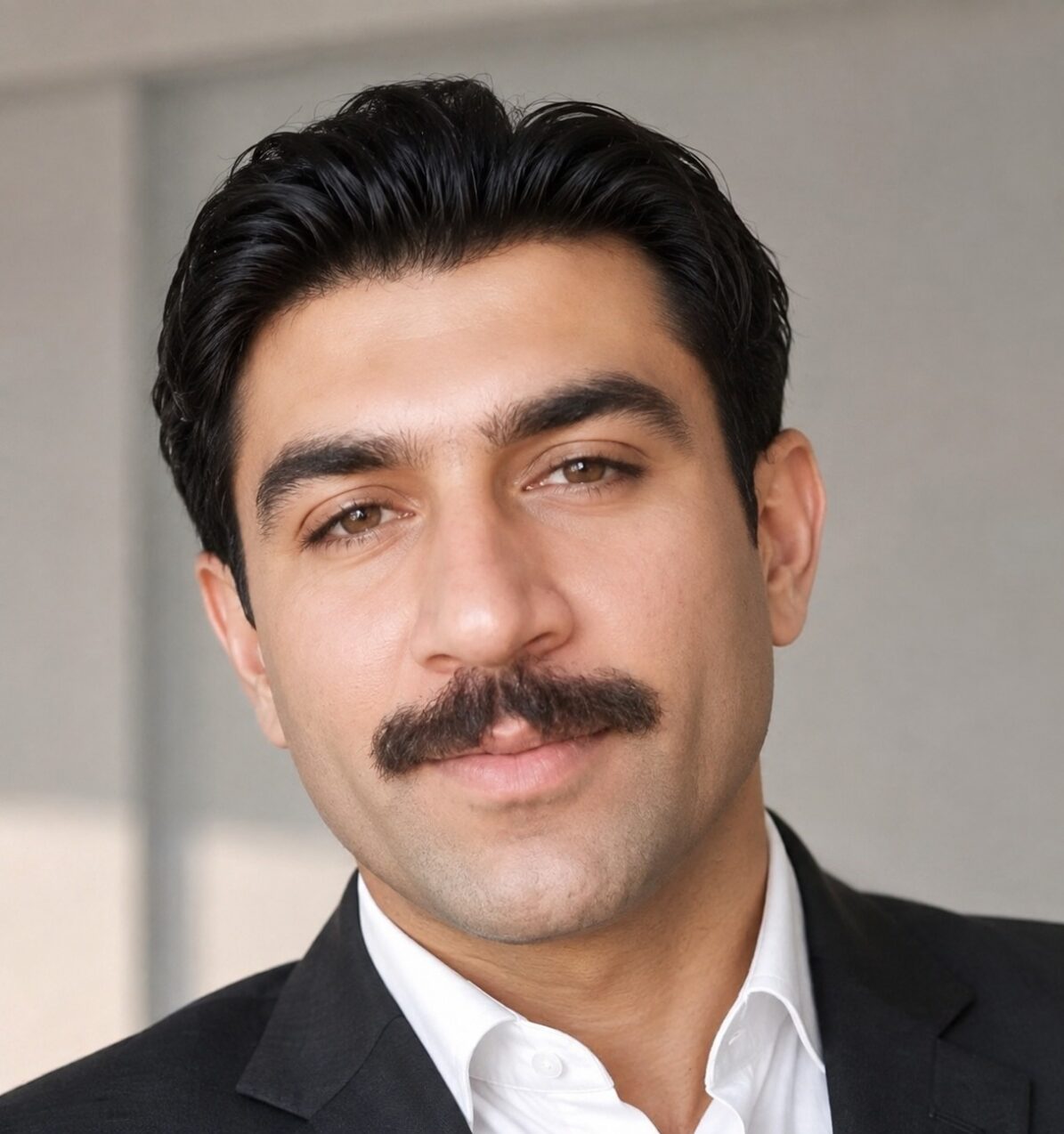
Shafqat Ali Khan
Pakistan, the world’s fifth most populous country with over 251 million people, has faced significant economic challenges in recent years. After a period of strong growth, the economy slowed sharply, with GDP growth falling to just 2.5% in FY24. While the economy has begun to stabilize, poverty has increased, rising from 18.3% in 2022 to 25.3% in FY24. The country also ranks very low on the Human Capital Index (0.41 out of 1), meaning a child born today will only be 41% as productive as they could be with full education and health. Female Labor force participation remains extremely low at around 24%, and over 20 million children are out of school 45 % of them girls. A new $7 billion IMF program was secured in September 2024 to help address these deep-rooted issues.
Khyber Pakhtunkhwa, Pakistan’s third-largest province with over 41 million people, mirrors these national challenges. Nearly 85% of its population lives in rural areas with limited access to services and income opportunities. While the province has seen some poverty reduction, human development remains low, with about 5 million children out of school with huge number of girls. However, the province has a huge opportunity: 50% of its population is youth, and with the right investments in education, health, and job creation, this young population could become a powerful driver of economic growth and prosperity for the entire region. Khyber Pakhtunkhwa faces some challenges with a large youth population, low human development outcomes, and high rural poverty.
Against this backdrop of rising poverty, unemployment, and low human development, identifying sectors that can create inclusive economic growth, and employment has become a national and provincial priority. Tourism is one of the few sectors with the potential to create jobs quickly, stimulate private investment, support small and medium enterprises, and generate income in both urban and rural communities. Because tourism has strong linkages with transport, hospitality, handicrafts, agriculture, and local services, it offers opportunities for women, youth, and vulnerable groups while encouraging the protection of natural and cultural heritage. For Khyber Pakhtunkhwa, where half of the population is young and the province possesses exceptional natural and cultural assets, sustainable tourism represents not only an economic opportunity but also a practical pathway toward poverty reduction, human capital development, and long-term, inclusive growth.
In fact, Khyber Pakhtunkhwa is a land of breathtaking natural beauty and deep history. The province is home to around 6,000 Gandhara heritage sites, covering over 2,000 years of history that hold deep significance for Buddhists, Muslims, and Christians alike. In January 2019, the ancient Hindu site Punj Tirath was declared National Heritage. And in November 2018, UNESCO recognized the Kalash community’s ancient astronomical practice, Suri Jagek, as an Intangible Cultural Heritage. Building on this rich foundation, the province has developed a Tourism Policy (2015), Antiquities Act (2016), and Cultural Policy (2017) to guide sustainable growth.
Since peace returned after 2014, domestic tourists have been visiting in record numbers. As per Khyber Pakhtunkhwa Culture Tourism Authority reports, over 20.6 million in 2024 alone, a sharp rise from 17.3 million in 2023. International visitors are also returning, with 7,600 foreign tourists in 2024, compared to 4,500 the previous year. The World Bank is actively supporting this momentum through the Khyber Pakhtunkhwa Integrated Tourism Development (KITE) Project, which aims to improve tourism infrastructure, enhance assets, and strengthen destination management. Yet, infrastructure and accommodation remain limited, and the rapid growth in visitors’ risks overwhelming these fragile natural and cultural treasures.
Tourism is more than just a leisurely pursuit; it is a lifeline for transformation. For developing nations like Pakistan, tourism becomes an engine of inclusion and innovation, not just lifting economies but elevating voices. In South Asia, tourism is a powerful driver of economic development and GDP growth. In Pakistan, the sector already contributes around 5.8% to the national GDP and supports approximately 4.7 million jobs. With the right investments, this potential can be unlocked on a much larger scale. For a province like Khyber Pakhtunkhwa, where 50% of the population is youth, tourism offers a direct path to employment, entrepreneurship, and pride. Young people can find work as guides, hospitality staff, artisans, and digital marketers. By 2028, the share of tourism in the global job market is expected to reach 7.8%. For Pakistan, this is not just a statistic, it is a promise. Tourism can be the bridge that connects Pakistan’s youth to a future of dignity, opportunity, and hope.
Shafqat Ali Khan | Social Development Specialist –
Khyber Pakhtunkhwa Integrated Tourism Development Project (KITE)
Department of Tourism, Govt. of Khyber Pakhtunkhwa
