
Pakistan risks becoming uninvestable country.
TARIQ KHATTAK
Islamabad
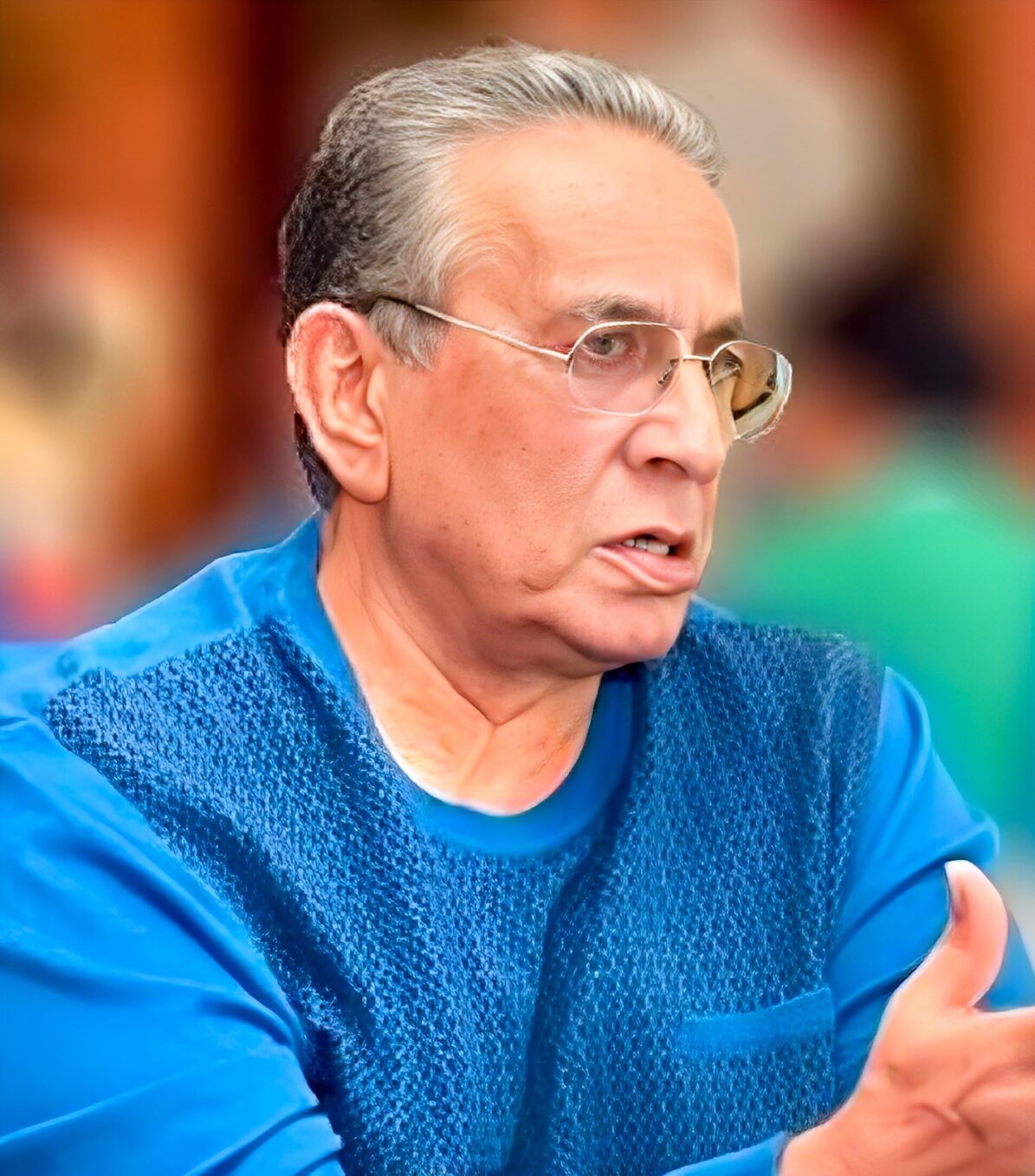
Shahid Rasheed Butt, prominent business leader and former president of the Islamabad Chamber of Commerce, stated that current policies have severely impacted the public and undermined the confidence of both youth and the business community. He noted that professionals and workers are leaving the country, foreign investors are staying away, and local investors are withdrawing.
He emphasized that shifting the consequences of elite mismanagement onto the public must end. He called for serious, long-term reforms to restore business confidence and ensure Pakistan remains attractive to investors.
In a statement, Shahid Rasheed Butt said a 43.3 percent decline in foreign direct investment from July to December 2026 has been recorded. Portfolio investment was negative 225.1 million dollars, compared to negative 221.8 million dollars in the same period last year. He stated these figures reflect a clear lack of investor confidence.
The business leader noted that in the first half of fiscal year 2026, exports fell by 5 percent and the current account deficit widened to 1.174 billion dollars, exceeding last year’s figure for the same period. Foreign exchange reserves are 21.3 billion dollars, with 16.1 billion held by the State Bank of Pakistan, much of it borrowed. He described this situation as concerning for the future.
He highlighted that agricultural growth reached 2.9 percent in the first quarter of the current fiscal year, up from 1.0 percent last year. However, major crops excluding wheat declined by 0.7 percent. Cotton production fell by 1.2 percent, green fodder output dropped by 14.4 percent, and fertilizer prices rose by 13 percent, creating significant challenges for farmers.
Shahid Rasheed Butt noted that from July to January, credit disbursement to the private sector was 578.4 billion rupees, down from 1.520 trillion rupees in the same period last year. He said this indicates weak private sector conditions and stagnant investment. He stressed that economic recovery is not possible without immediate policy reforms.
He called for immediate policy changes, warning that ongoing uncertainty will lead to higher prices, job losses, and reduced private investment. He urged the government to consult the business community, exporters, and farmers before introducing new fiscal or regulatory measures. Without restoring policy predictability and investor confidence, economic stabilization efforts will remain fragile and short-lived.
