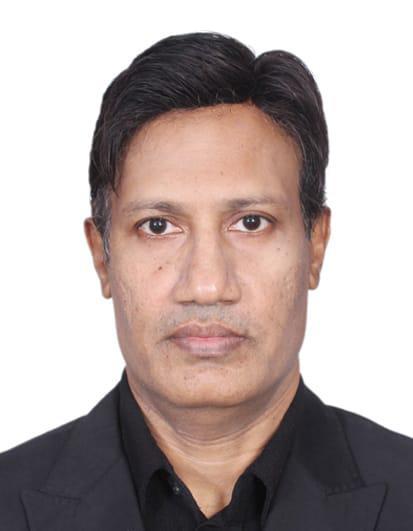
By Junaid Qaiser
In moments of regional upheaval, unity at home is not a political preference—it is a strategic necessity. The recent high-level meeting at Aiwan-i-Sadr, where Pakistan’s civilian and military leadership sat across the same table, reflects a growing recognition that the crisis unfolding in the Middle East is not distant noise. It is a direct stress test for Pakistan’s economic resilience, energy security, and internal stability. When external shocks intensify, fragmented responses become liabilities. What the country requires instead is clarity, coordination, and above all, alignment.
This convergence of leadership is significant not just for optics, but for what it represents. For too long, policy in Pakistan has often moved in parallel tracks—economic decisions here, security considerations there—rarely intersecting in a meaningful way. That approach is no longer tenable. The volatility in global oil markets, driven by the US-Israel conflict with Iran, has exposed how deeply interconnected these domains really are. Fuel supply disruptions are not just an energy issue; they ripple into inflation, fiscal pressure, and ultimately public confidence. Recognizing this, the emphasis on aligning economic management, energy planning, and national security signals a more integrated way of thinking—one that is overdue.
While getting everyone on the same page is a good start, the real challenge is turning those policies into action. Suggestions like cutting down on fuel use, promoting public transport, and encouraging shared mobility might sound like standard fare, but in today’s world, they’re absolutely crucial. These aren’t just empty gestures; they’re tangible steps that can help relieve some of the strain on our already overburdened systems.
The tricky part, though, is maintaining consistency. If we don’t keep the public engaged and ensure there’s real enforcement, these initiatives might just fade away, lost to our everyday habits and the lure of convenience. The economic implications are just as urgent. Pakistan’s reliance on imported fuel—much of which travels through precarious routes like the Strait of Hormuz—means we can’t afford to be complacent. With global prices swinging and supply chains tightening, the threat of inflation rising or external accounts facing renewed pressure is very real.
The government’s commitment to fiscal discipline and stabilizing prices shows they understand these challenges, but awareness needs to be paired with action. Navigating this period will require a delicate balance: safeguarding the most vulnerable while steering clear of policy decisions that could lead to long-term instability.
Simultaneously, there’s a more subtle aspect to how Pakistan is responding—its diplomatic stance. By helping to facilitate dialogue between Washington and Tehran, Islamabad is aiming to play a positive role in a very polarized setting. This approach to peace diplomacy demands both restraint and proactive measures. Moreover, it offers a chance for Pakistan to prove that it can be more than just a passive player; it can actually help ease tensions while navigating its own challenges.
The emerging alignment between Pakistan’s civilian and military leadership reflects a level of prudence that is both timely and consequential. At a moment when regional volatility threatens to unsettle economies and security frameworks alike, the ability of the state’s key institutions to think and act in concert sends a powerful signal of maturity.
This is not merely about managing a crisis—it is about anticipating its trajectory and positioning Pakistan to respond with clarity and discipline. Such calibrated decision-making, grounded in coordination rather than fragmentation, enhances the country’s credibility at home and abroad, projecting it as a state that is steady under pressure and deliberate in its choices.
It’s equally crucial to consider how this unity is influencing Pakistan’s role on the international stage. By keeping a strong internal cohesion while actively participating in diplomatic initiatives, Islamabad is subtly establishing itself as a significant and responsible player in a volatile region. The readiness to promote dialogue, along with a solid handle on domestic issues, showcases a confidence that stems from unity at the leadership level. If this strategy continues, it not only protects immediate interests but also positions Pakistan as a key contributor to shaping outcomes, rather than just responding to them.