

By Junaid Qaiser
The escalating conflict in the Middle East is no longer just a distant geopolitical issue for Pakistan. It’s starting to impact the country in real and significant ways, especially through the delicate networks that support global trade and energy supplies. By launching Operation Muhafiz-ul-Bahr, Pakistan is clearly acknowledging the gravity of the situation. What once seemed like a regional dispute is now casting a long shadow over Pakistan’s economic and security interests.
At its core, this operation is all about safeguarding Pakistan’s maritime lifeline. With nearly 90 percent of the country’s trade transported by sea, ensuring the safety of shipping routes is not just a strategic concern but a matter of economic survival. As tensions in the Gulf escalate and vital maritime corridors become more vulnerable, the urgency to secure these routes has never been greater.
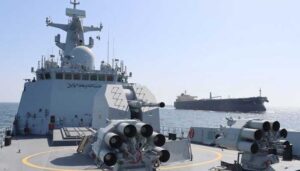
According to the Inter-Services Public Relations (ISPR), Operation Muhafiz-ul-Bahr was initiated in response to the changing landscape of regional maritime security and the increasing risk of disruptions to essential sea routes. The goal is clear: to ensure a steady flow of energy supplies and to protect the sea lines of communication that link Pakistan to global markets. To achieve this, the Pakistan Navy has started escorting merchant vessels in collaboration with the Pakistan National Shipping Corporation, a move designed to provide reassurance to shipping companies and to protect cargo traveling to and from Pakistani ports.
This initiative comes at a critical moment, as the Strait of Hormuz—one of the world’s most crucial energy passages—has become a hotspot for tension. Iran’s actions against vessels and regional energy infrastructure have already caused significant disruptions to global oil and gas supplies. With nearly 25% of the world’s oil typically flowing through this narrow strait, even minor interruptions have reverberated through international markets.
Pakistan is already feeling the economic impact. In recent days, fuel prices have skyrocketed, showcasing the kind of volatility that often follows threats to Gulf shipping lanes. Given that the country relies heavily on imported energy, any extended instability in the region could really put a strain on its economy. While the government may have enough petroleum reserves to handle the short-term situation, a conflict that drags on for weeks would only heighten the uncertainty. History reminds us how quickly maritime tensions can escalate. During the “tanker wars” of the 1980s, commercial shipping in the Gulf became a target as Iran and Iraq tried to disrupt each other’s oil exports. The United States eventually stepped in to escort tankers through the region, but even those operations weren’t without their risks. American naval vessels were struck during the mission, showing just how easily commercial shipping routes can turn into flashpoints during wartime.
Today’s situation is potentially even more volatile. Global energy demand is higher, shipping traffic is heavier, and the strategic importance of the Gulf has only grown over time. Any prolonged disruption in the Strait of Hormuz would ripple far beyond the Middle East, shaking markets, raising prices, and destabilizing economies that depend on steady energy flows.
For Pakistan, the lesson is clear: maritime security cannot be taken for granted. The country’s economic stability depends on secure sea routes that connect Karachi and Gwadar to the wider world. In this context, Operation Muhafiz-ul-Bahr is not merely a defensive measure but a recognition of the changing realities of regional security.
By escorting merchant ships and keeping a close eye on maritime traffic, the Pakistan Navy is working hard to ensure that the country’s trade routes stay open, even amidst the surrounding chaos. It’s a practical move in response to a crisis that Pakistan didn’t cause but has to deal with nonetheless.
In the end, this operation highlights a larger reality about the interconnected world we live in. Conflicts in far-off places rarely stay put; they ripple through shipping lanes, energy pipelines, and financial markets, ultimately impacting countries that are miles away from the fighting.
As the conflict in the Middle East continues, Pakistan’s focus must be crystal clear: protecting the maritime lifelines that are vital for its economy. Operation Muhafiz-ul-Bahr is a step in that direction, serving as a reminder that during times of regional unrest, safeguarding the sea routes is not just a job for the navy—it’s a national necessity.
