
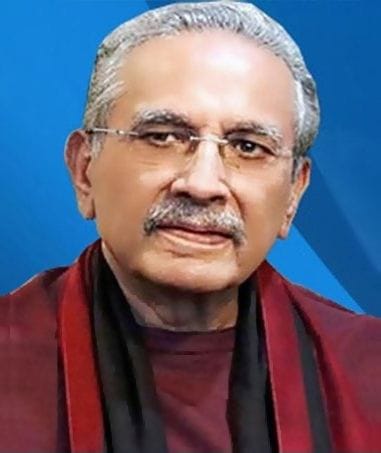
Inequality deepens amid unemployment and mounting debt pressures.
TARIQ KHATTAK
Islamabad
Business leader and former president of the Islamabad Chamber of Commerce, Shahid Rasheed Butt, has said that poverty has reached an alarming level in Pakistan, even as macroeconomic indicators show relative stability.
He said the current account position has improved and overall economic balance appears more stable, but household incomes continue to decline. As a result, poverty and income inequality are rising while unemployment is increasing. A growing segment of the population has lost its purchasing power, weakening overall economic activity.
Citing official data, he noted that of a population of 240 million, nearly 70 million people live below the poverty line. He described the figure as deeply concerning, warning that declining real incomes and persistent inflation have made it difficult for families to meet basic expenses, including food, education, and healthcare.
Shahid Rasheed Butt said climate change, floods, and shifting weather patterns have reduced farm incomes, while other policy and market factors have further complicated the situation. In urban areas, high inflation and a slowdown in industrial activity are intensifying economic stress. He added that the middle class is shrinking and employment opportunities are becoming limited, contributing to lower investment and a trend of multinational companies exiting the country.
Although Pakistan has moved away from the immediate risk of default, rising external and domestic debt remain major obstacles to sustainable growth. He said that without a meaningful expansion in industrial output and agricultural income, unemployment and social pressures could intensify further.
He added that sustained inflation has reduced real wages across multiple sectors, limiting consumer demand and slowing domestic markets. Small and medium enterprises are also facing higher input costs and weak sales, affecting job creation. He stressed that policy focus must shift from short-term stabilisation to long-term growth planning. Without timely structural reforms, he warned, economic recovery could remain fragile and uneven, leaving large segments of the population excluded from its benefits.
He called for a clear roadmap for sustainable growth, a reduction in the debt burden, and the restoration of private-sector confidence. Without broad-based reforms, tax base expansion, and rationalisation of public expenditure, economic stabilisation will not translate into long-term prosperity. Delays in taking necessary corrective measures, he warned, could prolong high poverty and inequality levels and weaken the country’s growth prospects.
