
High energy costs and taxes threaten economic gains
TARIQ KHATTAK
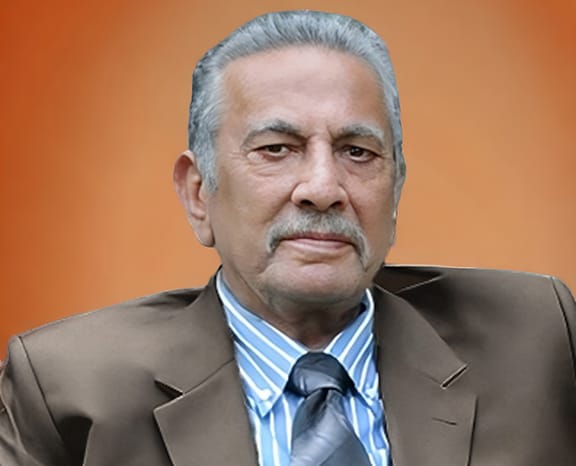
Islamabad: Shahid Rasheed Butt, a business leader and former president of the Islamabad Chamber of Commerce, noted that recent government reforms are beginning to set the economy on a path toward improvement. At the same time, he cautioned that these early signs of recovery may prove short-lived unless both the public and businesses receive timely and tangible relief.
He noted that economic activity has shown initial signs of improvement following the government’s implementation of stabilization measures under the International Monetary Fund programme. Consequently, projections indicate that Pakistan’s GDP growth could increase by up to 0.5 percentage points this year.
He noted that while reforms under the IMF framework have improved key economic indicators such as inflation and interest rates, these gains have come at a high cost to ordinary citizens and businesses. Persistently high energy prices, increased taxes, and subdued demand continue to present substantial challenges.
Butt emphasized that while current indicators suggest a positive trajectory for the economy, sustaining this momentum will require not only the continuation of reforms but also increased private-sector investment and a more supportive business environment. He further suggested that reducing borrowing costs could stimulate credit demand and, in turn, foster broader economic activity.
Butt recognized that the government has extended some relief to the textile industry, a vital export sector, yet he argued that these measures fall short of offsetting the pressures from rising input costs and increased taxation. Without broader and more substantial support, he warned, the competitiveness of industry and prospects for job creation may remain at risk.
He further stressed that unless the benefits of reform are passed on to consumers and the productive sectors, any economic gains are unlikely to be sustained. He urged policymakers to address high power and gas prices, reconsider the current tax structure, and introduce targeted incentives for industry. In his view, such measures are essential to ensuring that the benefits of economic recovery are more widely shared and that growth remains both long-term and inclusive.
