
By: Syed Asjad
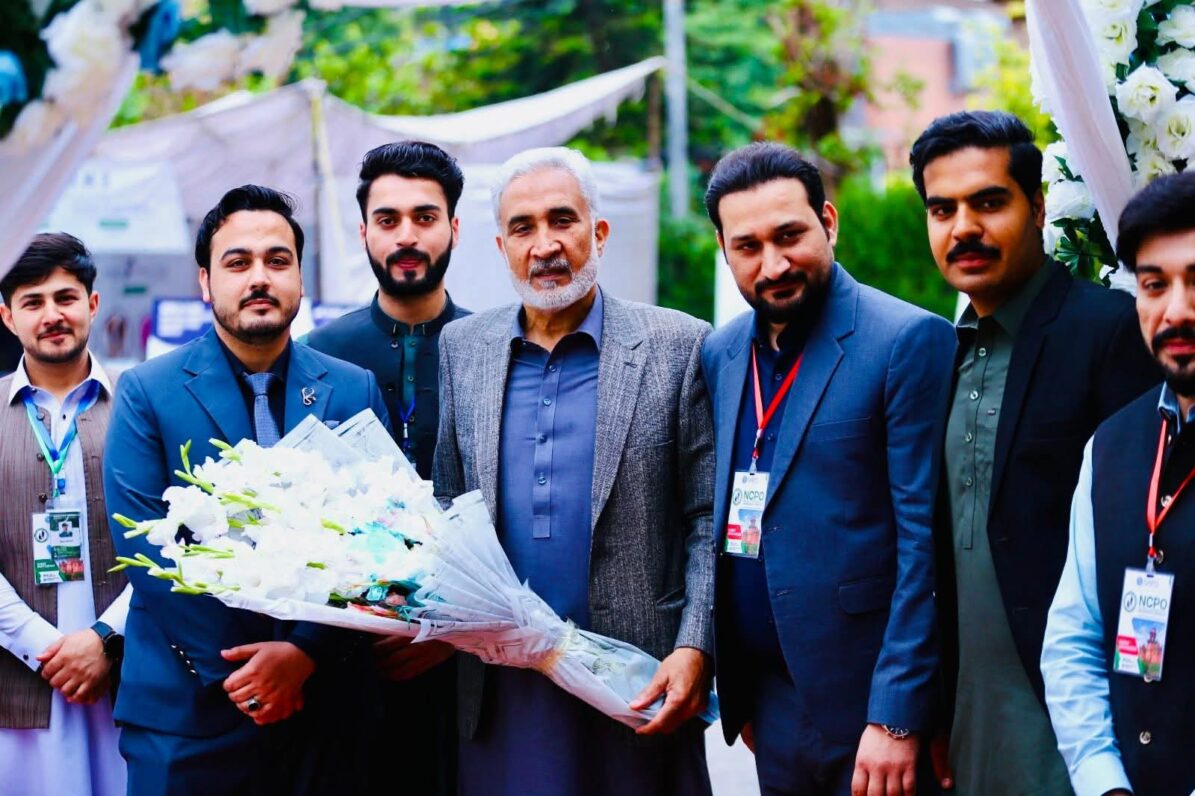
The National Conference on Prosthetics and Orthotics (NCPO 2026), held at the Post Graduate Medical Institute Peshawar on March 28 & 29, has emerged as a landmark event for Pakistan’s rehabilitation sector marking the first national level gathering dedicated exclusively to prosthetics and orthotics (P&O).
The conference brought together experienced clinicians, researchers, and prosthetics and orthotics professionals from across Pakistan and abroad.
The conference provided a much needed platform to address both the challenges and the evolving advancements in this critical field.
More than just an academic event, NCPO 2026 stood as a unified call to address longstanding gaps in one of the most vital yet under recognized areas of healthcare Prosthetics and Orthotics.
Prosthetics and Orthotics (P&O) operate in two major domains and play a vital role in restoring mobility, independence, and dignity for individuals with limb loss and neuromusculoskeletal conditions.
Prosthetics:
This involves designing and providing artificial limbs (arms and legs) for individuals who have lost their limbs due to any reason.
Orthotics:
This focuses on assisting individuals who have intact limbs but are unable to move or function properly due to deformity or disability, by providing braces and other supportive devices to help them lead an active and functional life.
Across the country, thousands of individuals living with disabilities are in need of assistive devices face limited access, fragmented service delivery, and financial barriers.
The conference also represented a broader effort to reaffirm the professional identity and independent role of prosthetists and orthotists within the rehabilitation framework. Participants emphasized that rehabilitation cannot be considered complete without strengthening this essential discipline, highlighting that “Rehabilitation is incomplete without prosthetics and orthotics,” and underscoring the urgent need to recognize this field as a fundamental component of healthcare rather than an optional service.
Pakistan’s prosthetics and orthotics sector is gradually evolving, with institutions playing a vital role in training skilled professionals and delivering essential rehabilitation services. Recent academic advancements, including the introduction of MS programs in Prosthetics and Orthotics, signal a significant shift toward stronger professional structure and recognition.
Yet, despite this progress, the field continues to face systemic challenges including limited policy support, inappropriate referrals of patients to unqualified persons, technicians and laypersons, and a lack of integration into national health strategies.
The strong national turnout of Prosthetist and Orthotist at NCPO 2026 reflects a growing sense of unity and momentum within Pakistan’s prosthetics and orthotics community. What was once a largely overlooked discipline is now beginning to assert its identity, voice, and importance within the broader healthcare system.
A Unified Call to Policymakers:
The message emerging from the NCPO 2026, a conference of P&O was clear: meaningful policy recognition, institutional support, and strategic investment are necessary to ensure that prosthetic and orthotic services become an integral and accessible part of Pakistan’s healthcare system.
Without access to proper rehabilitation services, persons with disabilities often encounter significant barriers to education, employment, and meaningful social participation. The conference strongly emphasized a simple yet powerful truth: persons with disabilities are equal citizens, and their access to rehabilitation services must be recognized as a fundamental right rather than a privilege.
As the conference concluded, it set a clear direction forward towards formal recognition, effective integration, and the development of a more inclusive healthcare system in which no individual is denied the right to mobility, independence, and dignity.
