
Six percent growth essential for stability
TARIQ KHATTAK
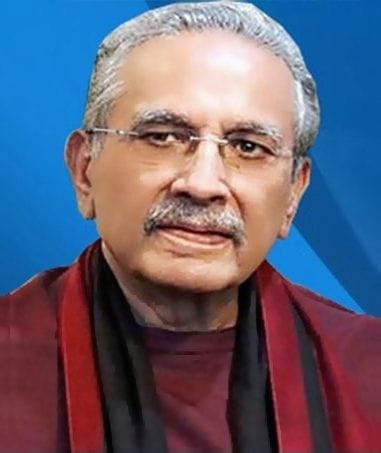
Islamabad: Business leader and former president of Islamabad Chamber of Commerce Shahid Rasheed Butt has said that after achieving a degree of economic stabilisation, the government must now shift its focus to economic growth. He stressed that a minimum growth rate of six percent is essential to put the country on a sustainable path, while even reaching three percent growth currently appears difficult.
He said that achieving meaningful growth will require not only genuine structural reforms but also a weakening of elite capture over national resources. Without addressing this imbalance, he warned, the country would have no viable future.
In a statement issued here, Shahid Rasheed Butt said that reliance on borrowing can no longer sustain the economy. Instead, comprehensive reforms and a more enabling environment for businesses are required. He noted that inflation has declined, the exchange rate has stabilised relatively, and interest rates have begun to ease. However, economic growth has yet to take off. Without growth, he cautioned, conditions could deteriorate rather than improve, and the migration of skilled workers abroad could accelerate.
He emphasised that investment is the foundation of economic growth, yet current investment levels remain very low. Policy inconsistency, high borrowing costs, and complex regulations continue to discourage both domestic and foreign investors. Foreign direct investment, he said, remains confined to a limited number of sectors. When discretion rather than transparent rules drives key decisions, transparency suffers and investment declines.
Shahid Rasheed Butt further stated that energy in Pakistan remains expensive and unreliable. The tax burden is concentrated on the documented sector, while delays in tax refunds create serious difficulties for exporters. He said that e-governance and integrated digital databases could significantly improve transparency and reduce opportunities for corruption, but insufficient attention is being paid to these reforms.
He observed that policymakers remain largely focused on crisis management rather than building a framework for sustainable growth. According to him, the failure to establish a transparent, fair, and investment-friendly system is steadily weakening the country.
