
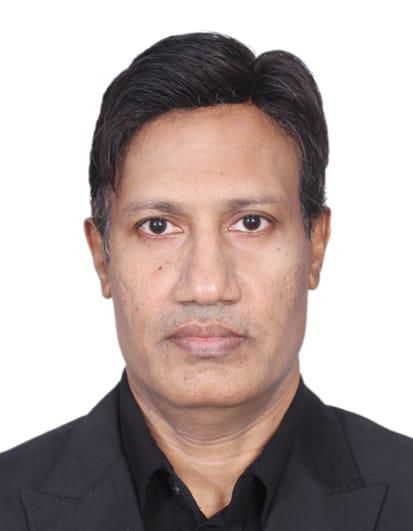
By Junaid Qaiser
Standing with Kashmir goes beyond mere speeches or commemorative dates. For Pakistan, it’s a deeply held position shaped by history, conscience, and the belief that unresolved injustices don’t simply fade away—they intensify. The recent visit by Chief of Defence Staff and Chief of Army Staff Field Marshal Asim Munir to Muzaffarabad served as a powerful reminder that Kashmir is at the heart of Pakistan’s national perspective, not just a catchy slogan, but a cause built on solid principles.
By laying a wreath at the Jammu and Kashmir Martyrs Monument and honoring those who sacrificed their lives for freedom, the army chief recognized a truth that often gets lost in statistics and policy discussions. The Kashmir issue isn’t just about land; it’s about people. Generations of Kashmiris have lived under occupation, facing loss, displacement, and the denial of basic rights, yet their quest for self-determination remains strong.
Field Marshal Munir’s engagement with local elders, veterans, and troops sent a clear message: decades of oppression, human rights abuses, and extremist ideologies haven’t silenced the dreams of the Kashmiri people. While force can impose control, it can’t erase identity or snuff out the spirit of a population that continues to resist against all odds. His promise that Kashmir will one day be free wasn’t just bravado; it was a testament to the strength and resilience of its people.
At the same time, the visit underscored Pakistan’s security posture. The emphasis on vigilance, operational readiness, and the ability to respond decisively to any aggression was unmistakable. In a volatile region, deterrence remains essential—not to escalate tensions, but to prevent miscalculation and protect peace along a fragile line of control.
This resolve was echoed across Pakistan’s political leadership. Prime Minister Shehbaz Sharif, addressing the Azad Jammu and Kashmir Legislative Assembly on Kashmir Solidarity Day, reaffirmed Pakistan’s political, moral, and diplomatic support for the Kashmiri struggle in line with United Nations Security Council resolutions. His tribute to leaders and martyrs of the movement acknowledged the continuity of resistance and the heavy price paid by ordinary Kashmiris.
Importantly, the prime minister paired words with policy by announcing a comprehensive development package for Azad Jammu and Kashmir. Investment in education, infrastructure, hydropower, and human capital—particularly initiatives focused on youth and women—reflects an understanding that standing with Kashmir also means empowering its people. Development does not replace the right to self-determination, but it strengthens society and affirms confidence in a shared future.
President Asif Ali Zardari’s message reinforced the legal and moral dimensions of the issue. His reference to India’s actions since August 2019—ranging from mass detentions and media restrictions to demographic changes—highlighted concerns that have been documented but insufficiently addressed by the international community. Kashmir Solidarity Day, he reminded, was born from resistance and remains relevant because the core injustice persists.

The broader political consensus was striking. From Punjab Chief Minister Maryam Nawaz Sharif to PPP Chairman Bilawal Bhutto Zardari, leaders across party lines spoke with one voice in support of Kashmir’s right to self-determination. Such unity is rare in Pakistan’s political landscape, and its significance should not be underestimated. On Kashmir, differences recede and a shared moral position takes precedence. The selective application of human rights and international law has eroded trust in global institutions. For Kashmiris, this silence is not abstract—it is felt daily in the absence of accountability and meaningful international engagement.
Standing with Kashmir, therefore, is not about confrontation for its own sake. It is about persistence—keeping an unresolved question alive in diplomatic forums, documenting violations, and refusing to normalize occupation. It is about recognizing that peace in South Asia will remain elusive until the people of Kashmir are allowed to decide their future freely and fairly.
