
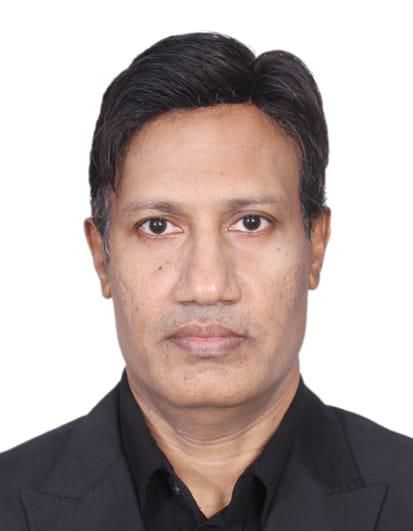
By Junaid Qaiser
The war in Sudan has evolved into one of the gravest humanitarian catastrophes of our time. Millions have been displaced, families have been torn apart, and entire communities have been pushed to the edge of survival. What began as a struggle for power has instead plunged a nation into suffering that continues to expand with each passing month. Increasingly, the scale of this tragedy is drawing attention far beyond Sudan’s borders, particularly within the institutions of the European Union.
The humanitarian catastrophe in Sudan has been heavily highlighted within the European Union in recent days. Policymakers, lawmakers and civil society actors across Europe have begun to engage more seriously with the conflict and its consequences. This growing concern was evident on February 23 when the crisis in Sudan was discussed at the headquarters of the European People’s Party in Brussels. The event was organized by the European Democrat Students and brought together European parliamentarians, policy experts, researchers, journalists and advisors.
As the largest parliamentary group in the European Parliament, the EPP holds considerable influence in shaping the EU’s political agenda. The decision to dedicate a forum to Sudan’s crisis signaled a recognition that the conflict is not merely a regional matter but a global humanitarian emergency that requires sustained international engagement.
The keynote speaker, Khalid Omar Youssef—former minister of cabinet affairs and vice chairperson of the Sudanese Congress Party—provided a sobering overview of the situation on the ground. According to him, the war has produced the largest displacement crisis in the world today. Millions of Sudanese have been forced to flee their homes, while those who remain often face shortages of food, medicine and basic services.
What’s even more troubling are the widespread human rights violations that have emerged during the conflict. Civilians, particularly women and minority communities, have suffered tremendously. Religious sites, including churches that reflect Sudan’s Christian heritage, have been vandalized. Such actions only deepen the wounds of war and threaten the social fabric of a country known for its diversity. It’s essential that these crimes are investigated thoroughly and that justice is served for those responsible.

Beyond the humanitarian dimension, discussions in Brussels also focused on the political path forward. Youssef stressed that there is no military solution to Sudan’s crisis. Continued fighting will only prolong the suffering of ordinary citizens while pushing peace further out of reach. Instead, he pointed to the diplomatic framework advanced by the international “Quad” as a potential roadmap for ending the conflict.
Central to any progress, however, is the need for an immediate and unconditional humanitarian ceasefire. Without a halt to the violence, aid agencies cannot operate effectively and millions of displaced Sudanese remain trapped in uncertainty. A ceasefire would not only save lives but also create the necessary space for political dialogue aimed at restoring civilian governance.
Another concern raised during meetings with European lawmakers and policy experts was the role played by remnants of Sudan’s former regime. According to Youssef, elements associated with the Islamist movement that once dominated Sudanese politics have attempted to exploit the turmoil of war in order to obstruct peace efforts. Addressing this challenge, including through stronger international scrutiny, may prove essential in preventing spoilers from prolonging the conflict.
Importantly, European policymakers were also briefed by civil society organizations and human rights advocates working directly with affected communities. Their testimonies helped underscore the urgent need for sustained international attention. The discussions in Brussels were constructive not simply because they examined the crisis, but because they provided an opportunity for Sudanese voices to be heard within European decision-making circles.
For millions of displaced Sudanese, peace would mean more than the end of gunfire. It would mean the possibility of returning home, rebuilding communities and restoring hope after years of instability. Refugees scattered across neighboring countries and beyond share the same aspiration: to one day return to a Sudan that is stable, inclusive and free from tyranny.
The attention now being given to Sudan within the European Union is therefore both necessary and timely. Diplomatic engagement alone will not end the war, but it can help mobilize international pressure, humanitarian assistance and political support for a negotiated settlement.
Sudan’s tragedy cannot be allowed to fade into the background of global crises. The war must end—not only for the sake of regional stability but, above all, for the millions of Sudanese who deserve the chance to live in peace. Their country belongs to all its citizens, regardless of religion or ethnicity, and their struggle for dignity, freedom and justice must ultimately prevail.
