
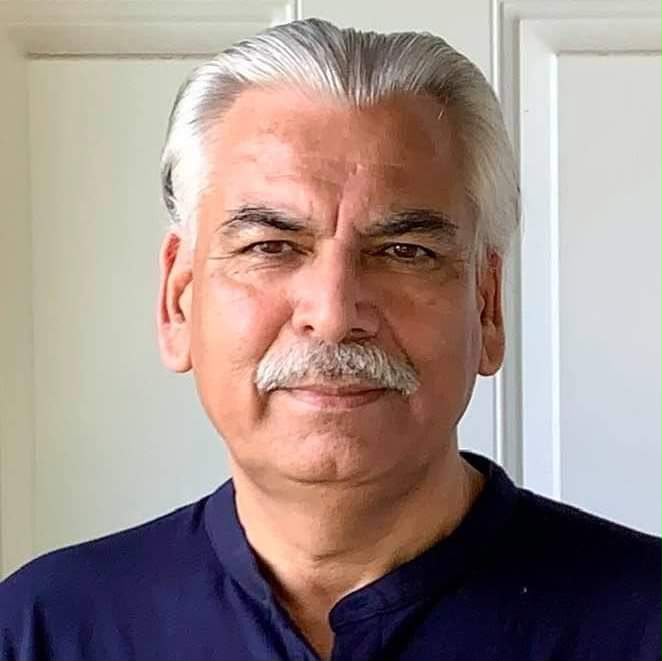
Barrister Usman Ali
As Pakistan celebrates its 79th Independence Day, our thoughts turn to the leaders whose vision, sacrifice, and determination made the country’s creation possible. Much has been written about Quaid-e-Azam Muhammad Ali Jinnah’s political achievements and constitutional struggle. Less familiar, however, is the man behind the public figure.
One revealing portrait comes from an article by Saida Qazi Isa, published in Dawn on 25 December 1987. Titled Christening of the Jinnah Cap: Glimpses of a House Guest, the article preserves a series of personal recollections of Jinnah’s stays with her family, including the significant and little-known story of how the Karakul cap came to be known as the “Jinnah Cap.”
Saida Qazi Isa was the wife of Qazi Muhammad Isa, one of the Muslim League’s most distinguished leaders from Balochistan and a trusted colleague of Jinnah. She was also the mother of Qazi Faez Isa, former Chief Justice of Pakistan. Drawing upon her own memories, as well as incidents narrated to her by her husband, she offers a rare glimpse of Pakistan’s founder away from public meetings, political negotiations, and constitutional debates.
Among those recollections is the story behind the cap that became so closely associated with Jinnah.
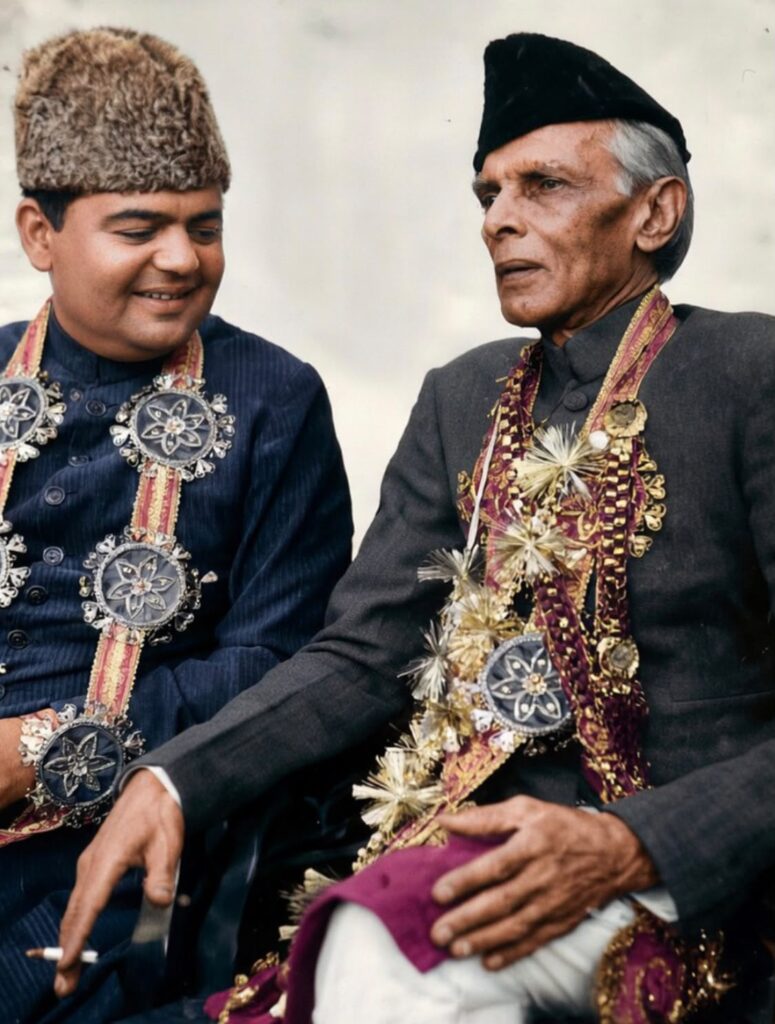
During one of Jinnah’s visits to Quetta, he admired the black Karakul cap worn by Qazi Muhammad Isa and expressed a desire to own one. Isa took him to the shop of Ewaz Ali, a respected furrier in Quetta’s Qandhari Bazaar. Jinnah examined several caps, asking Isa what qualities distinguished a good Karakul skin. Only after satisfying himself about their quality did he make his choice.
When Jinnah asked the price, Ewaz Ali refused payment, saying it would be an honour to present the cap as a gift to his distinguished guest and leader.
Jinnah politely declined.
He believed that honest work deserved fair payment. Taking out his chequebook, he insisted on paying for the cap. According to Saida Qazi Isa’s account, her husband estimated its value at about 150 rupees, but Jinnah wrote a cheque for 200 rupees.
Deeply moved, Ewaz Ali accepted the cheque, only to return it and request that the amount instead be treated as his contribution to the Muslim League Fund. In a single exchange, the character of all three participants emerged: the shopkeeper retained the spirit of his generosity, Jinnah upheld his principle that labour should be fairly rewarded, and the political movement benefited from a voluntary donation.
As they left the shop, Qazi Muhammad Isa remarked that just as India had its Gandhi Cap, this black Karakul cap should henceforth be known as the “Jinnah Cap.” In the years that followed, the name became firmly associated with Jinnah, and the Karakul cap became one of the most recognisable features of his public image.
Yet Saida Qazi Isa’s account reveals far more than the origin of a famous cap.
She recalls Jinnah strolling through the garden and speaking with the family’s gardener about flowers. When the gardener struggled to understand him, Qazi Muhammad Isa interpreted for Jinnah as he explained that dahlias should be planted behind the phlox, with candytuft in front. It is an unexpected glimpse of a man remembered principally for politics and constitutional struggle: here was Jinnah taking an interest in the arrangement of a garden, revealing his appreciation for beauty, order, and detail.
She also describes the evening drives Jinnah enjoyed with Qazi Muhammad Isa. He preferred Isa to drive and did not want a third person present. During these drives, the two would discuss the future of the Muslim League. These quiet conversations suggest both the weight of responsibility Jinnah carried and the confidence he placed in a trusted friend.
Away from politics, Jinnah possessed a gentle sense of humour. After dinner, he would relax, tell simple jokes, and ask whether his listeners had heard them before. His immaculate appearance, too, appears in these recollections not merely as a matter of style but as an extension of his discipline. Whether dressed in a finely tailored suit or in silk pyjamas and a dressing gown, he carried himself with the same meticulous care.
Taken together, these episodes reveal a striking consistency between the public and private Jinnah. The leader who insisted upon constitutional principles in public life also insisted that a shopkeeper be properly paid. The statesman occupied with the future of a nation could still take an interest in a gardener’s flowers, enjoy an evening drive with a friend, and share a simple joke after dinner.
That is what gives the story of the Jinnah Cap its enduring value. Its significance lies not merely in explaining how a piece of headwear acquired a famous name, but in the glimpse it offers of the man who came to embody it. Jinnah did not set out to create a personal emblem. The association arose around him, strengthened by the character, discipline, and dignity that those who knew him remembered.
As Pakistan marks another Independence Day, such quieter stories deserve a place alongside the great political milestones. Historic speeches, constitutional achievements, and political movements tell us how nations are created; personal recollections help us understand the people who create them.
The story preserved by Saida Qazi Isa does precisely that. Behind the statesman and the national icon, it reveals a man attentive to fairness, friendship, beauty, and principle and helps explain how an ordinary Karakul cap came to be remembered simply as the Jinnah Cap.
