
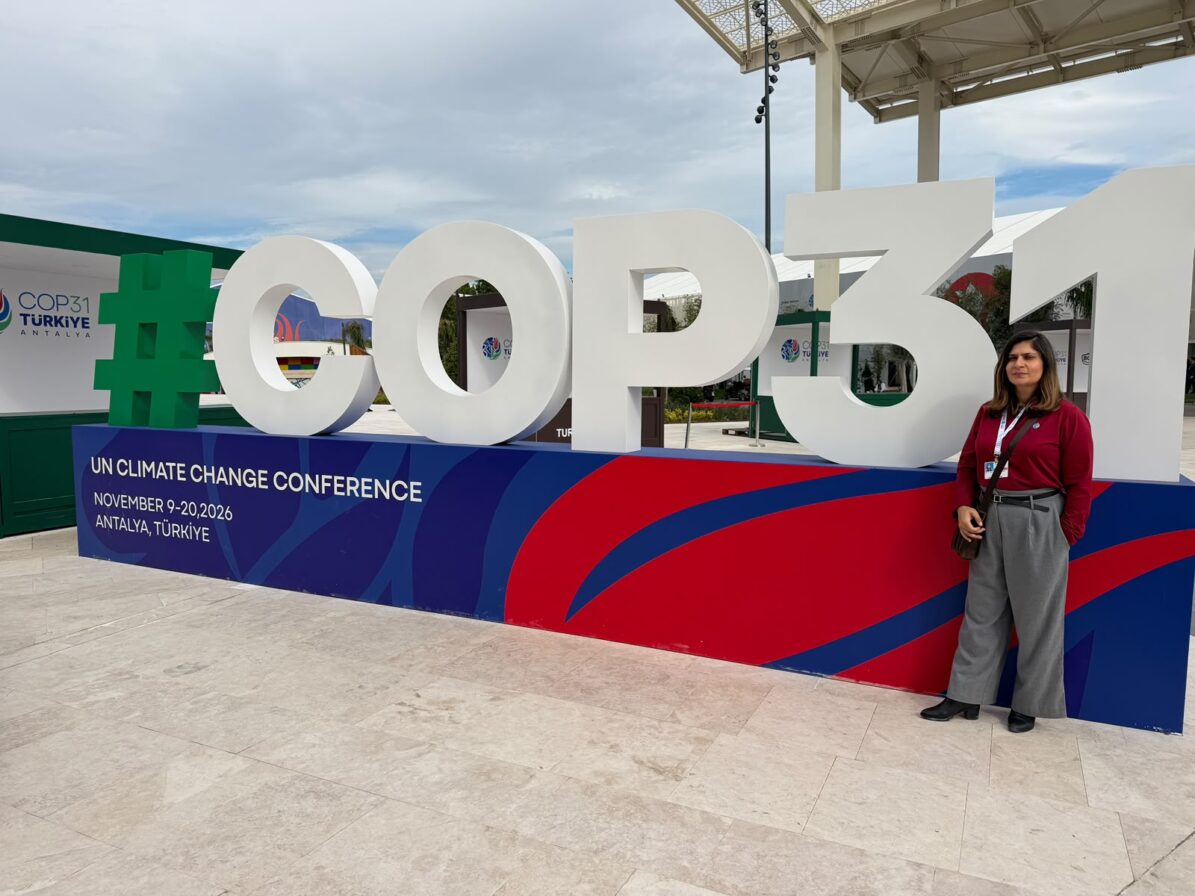
By Fizza Qaisar
I didn’t travel to Antalya just to watch history from the press gallery. As a journalist, and simply as someone who feels a personal duty to protect the natural world, I walked into COP31 carrying a heavy sense of responsibility. When you come from a part of the world where melting glaciers, erratic monsoons, and vanishing ecosystems are everyday realities rather than distant projections, defending nature isn’t an abstract policy debate. It is survival. I came to this summit hoping that the sheer scale of our planetary crisis would finally push world leaders to rise above politics and protect the earth.
Instead, between November 19 and 21, as the conference spilt past its deadline into tense overtime, I stood in the corridors of Antalya and watched climate diplomacy get pushed to its breaking point.
Two Chairs, One Text, and the Words That Vanished
For nearly two weeks, thousands of negotiators, scientists, Indigenous leaders, and advocates argued over the planet’s future under a unique dual-leadership setup. Turkey’s Environment Minister Murat Kurum served as COP31 President, alongside Australia’s Climate Change and Energy Minister Chris Bowen, who carried the immense burden as COP31 President of Negotiations. With Australia steering the negotiating text on behalf of the Pacific and the wider world, expectations were high that the transition away from fossil fuels, agreed upon in Dubai at COP28 and reaffirmed through COP29 and COP30, would finally become a real, actionable roadmap.

Then came the early hours of November 20, and a draft text that sent a jolt through every pavilion and press room.
When the presidency released the revised “Antalya Declaration”, disbelief quickly curdled into anger. Every explicit mention of transitioning away from fossil fuels, including coal, oil, and gas, had been scrubbed from the document. Standing in the media center as delegates refreshed their screens and read the text line by line, I watched faces tighten with frustration and a quiet sense of betrayal.
Murat Kurum defended the draft, arguing there was no need to repeat past agreements and insisting the summit remained anchored to the 1.5°C warming limit. For countries staring down existential ruin, though, erasing the main driver of the crisis from the final text felt like a dangerous step backward.
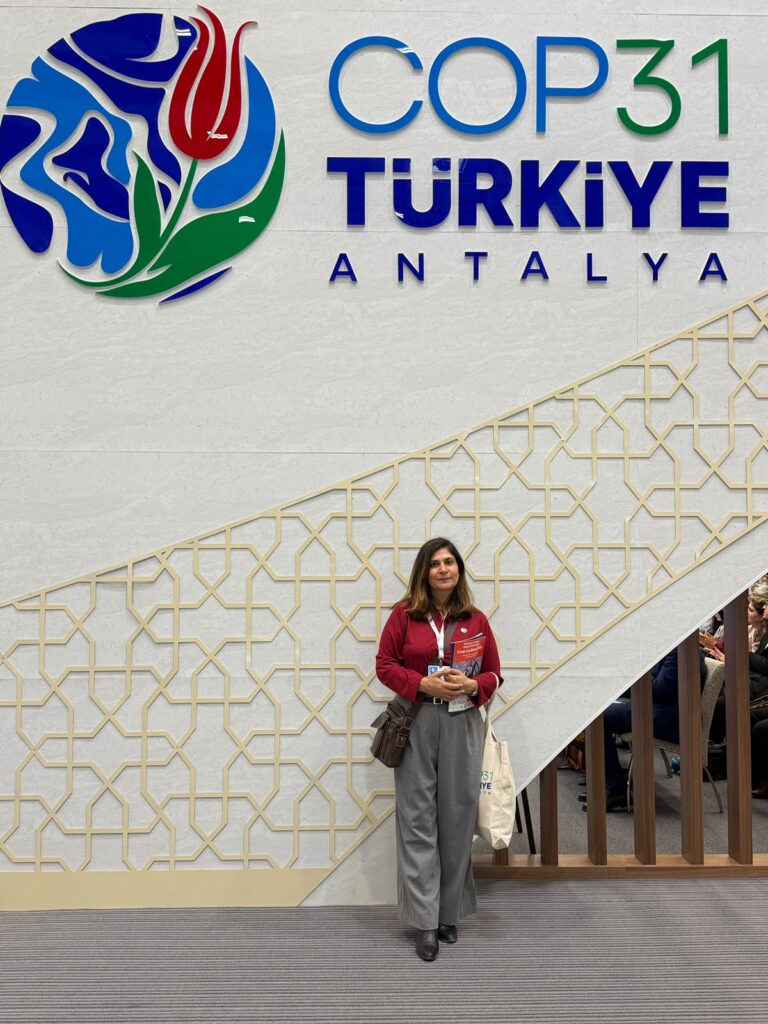
Inside the negotiating rooms and out in the hallways, pushback erupted almost immediately. EU Climate Commissioner Wopke Hoekstra and UK Energy Secretary Ed Miliband stood behind a broad coalition of roughly 130 countries across Europe, Latin America, Africa, and the Pacific demanding that fossil fuel language be put back in. Panama delivered one of the sharpest rebukes of the summit, warning that as a carbon-negative nation, it would block any final consensus that ignored oil production, accusing a “petroleum mafia” of holding climate action hostage. Meanwhile, UN Climate Change Executive Secretary Simon Stiell urged nations to step back from tactical brinkmanship and remember the millions of lives hanging in the balance.
Midnight in Antalya
Once the official November 20 closing clock ticked past midnight with no deal in sight, the summit plunged into overtime. The weight of salvaging an agreement landed squarely on Chris Bowen. Moving back and forth between late-night drafting rooms and bilateral huddles, Australia’s chief negotiator tried to bridge an ever-widening gap between petro-states resisting any mention of fossil fuels and vulnerable nations refusing to sign a hollow compromise.
To break the deadlock, the Turkish Presidency convened “The Divan”, closed-door ministerial consultations modelled on traditional diplomatic councils that brought key ministers together away from the cameras to hammer out trade-offs. Outside those guarded doors, exhausted negotiators slumped on benches with cold cups of coffee, their eyes red from sleepless nights, refreshing live text updates on their phones.
Inside the evolving draft, messy compromises began to surface. Pledges around the “35-by-35” global electrification target, which aims to lift electricity’s share of global energy to 35 percent by 2035, and commitments to cut methane offered glimmers of progress. Still, observers were alarmed by the heavy emphasis on Carbon Capture and Storage (CCS), which critics saw as a lifeline to keep oil and gas infrastructure running indefinitely. At the same time, developing nations and the African Group protested the removal of a clear, quantified target to triple adaptation finance to at least $120 billion a year by 2035, accusing wealthy nations of stalling on the funds needed to protect vulnerable communities from climate disasters.
Shouting Over the Closing Speeches
As November 21 dragged on and the venue began emptying of side-event crowds, leaving behind mostly core negotiators, reporters, and civil society observers, the frustration inside boiled over into open protest.
Activists and youth campaigners staged vocal demonstrations in the corridors and outside the plenary chambers, holding banners demanding climate justice, real adaptation finance, and an end to fossil fuel influence. Even during closing remarks by Murat Kurum, protesters stood up inside the hall, interrupting proceedings with chants and pointed questions about how a climate summit could ignore coal, oil, and gas while hosting nearly 700 fossil fuel lobbyists within its walls.
In a scathing verdict delivered in the final hours, Climate Action Network (CAN) handed its infamous “Colossal Fossil” title not to a single rogue country, but to COP31 itself. It was a blunt indictment of a process many felt had been captured by polluters while frontline communities were left fighting to survive. Security moved quickly to escort demonstrators out of restricted zones, yet the echo of their voices lingered in the vast halls long after the doors shut.
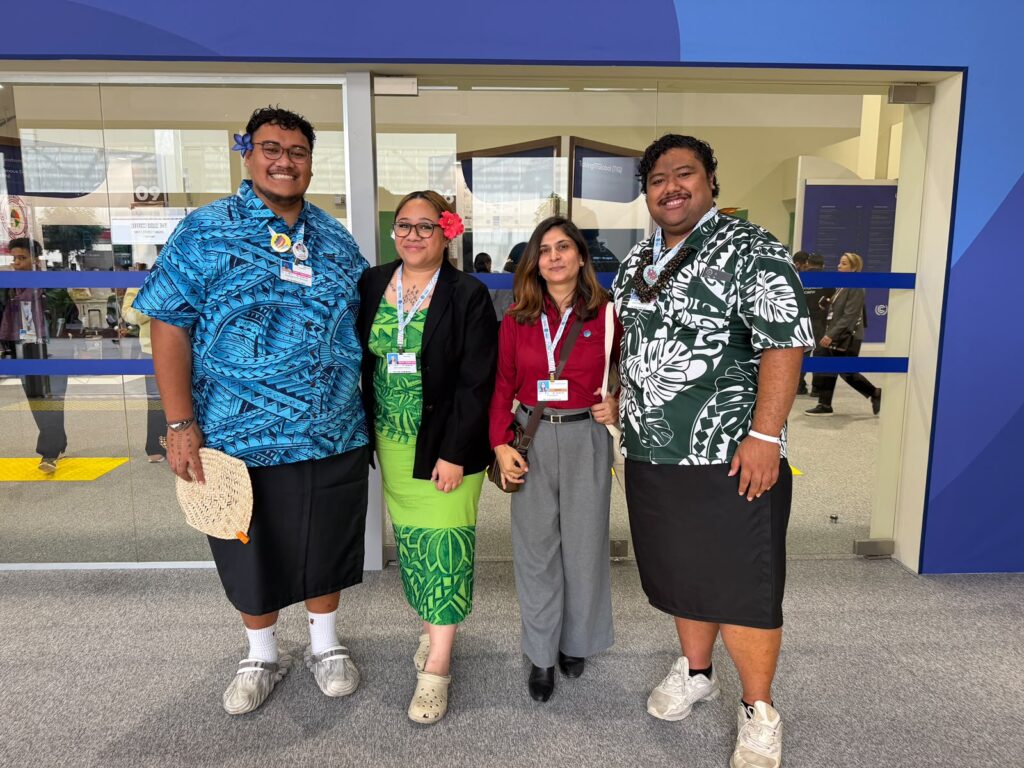
Speaking to reporters amid the chaos of overtime, Chris Bowen admitted how narrow the path forward had become, noting that while positions were deeply entrenched, “no one has said to me, ‘Let’s give up and go home. ‘ People are working. Sleeves are all up.”
The Earth Doesn’t Wait for Consensus
Watching those final hours play out in Antalya, seeing the exhaustion on the faces of island delegates and the raw determination of young activists barred from closed rooms, left a mark on me that won’t fade easily.
I came to COP31 because protecting nature isn’t something we can outsource to politicians. Being there through the final days confirmed a hard truth: diplomats can bracket words, delete references to fossil fuels, and stretch deadlines into overtime, but the earth doesn’t negotiate. Glaciers don’t pause for ministerial consultations, and rising seas don’t wait for consensus text.
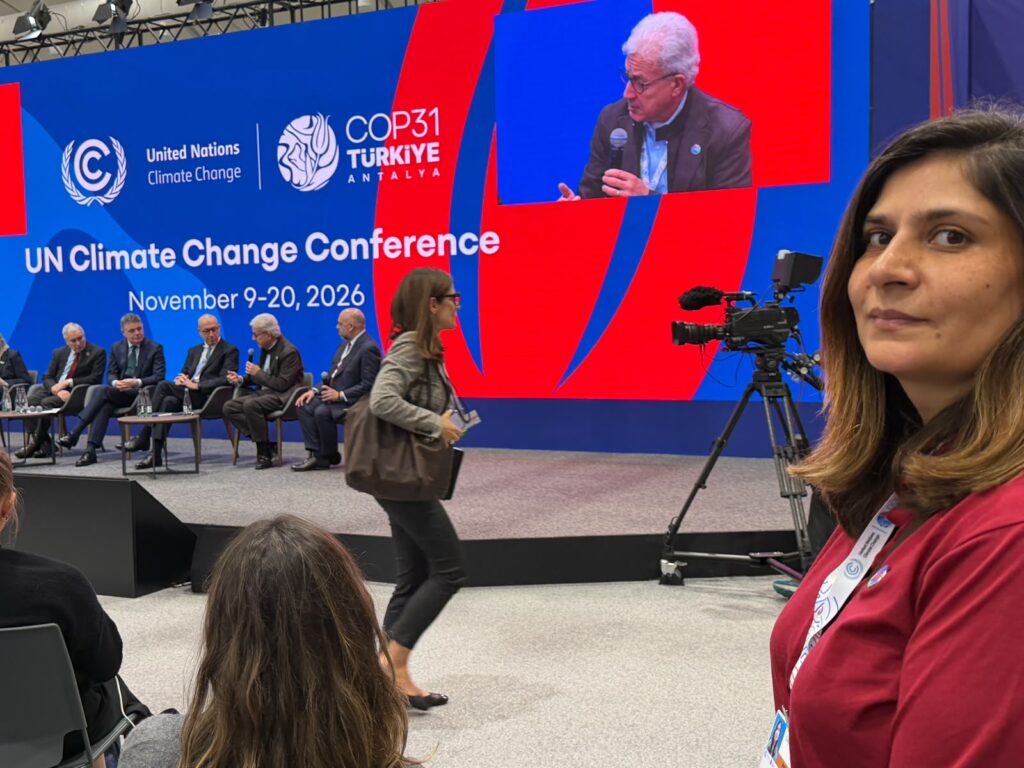
Leaving Antalya, I don’t feel defeated. Instead, I feel clearer about what comes next. Caring for this planet means refusing to look away when power stalls and telling the unfiltered truth long after the summit lights go out.
