
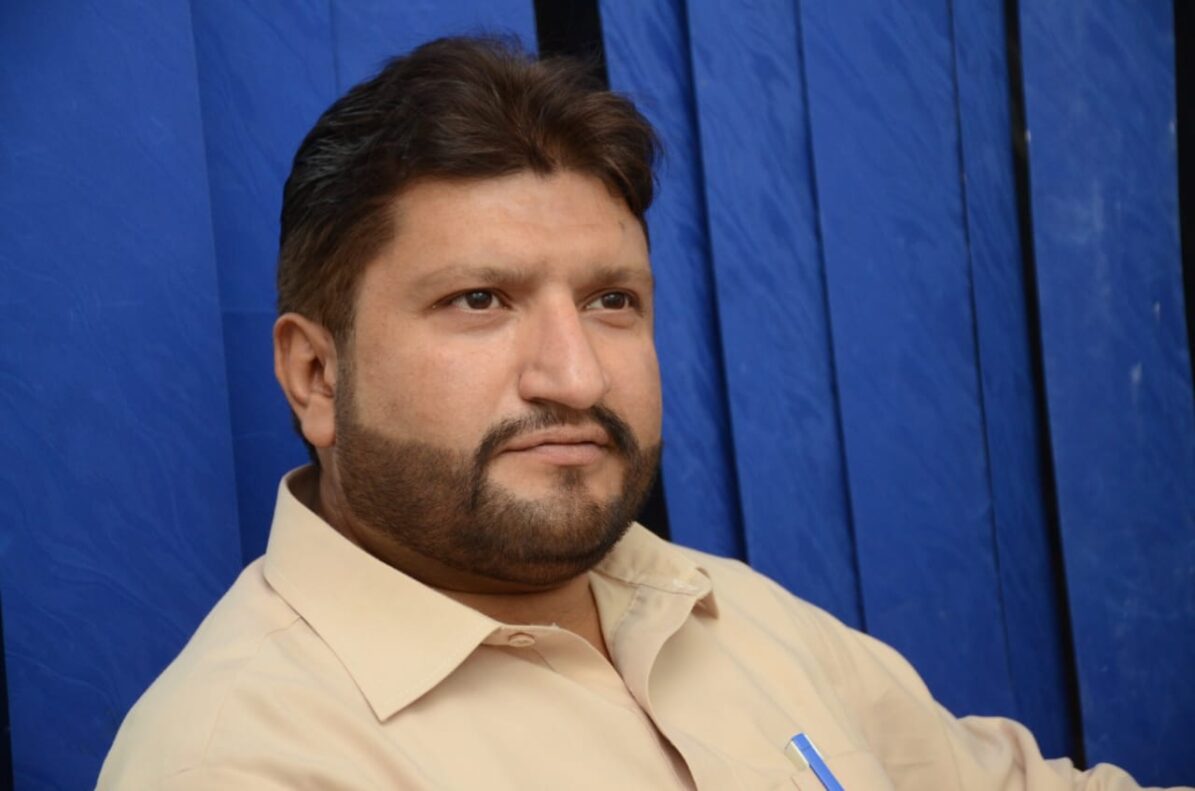
Amjad Hadi Yousafzai
Pakistan is rapidly turning into a society where state priorities appear to revolve around the comfort of the elite rather than the welfare of the public. On one side, the ruling class, bureaucracy, and influential elites continue to enjoy billions of rupees in privileges, official protocols, luxury vehicles, and an extravagant lifestyle. On the other side, the entire burden of inflation is being placed on the shoulders of the poor and the middle class.
The recent staggering increase in petrol prices has once again exposed the harsh reality that the government’s economic policies have not only failed but also lack any visible concern for public welfare. In Pakistan, petrol is not merely fuel for vehicles; it is the lifeline of the economy. Whenever petrol prices rise, transportation costs immediately increase, the prices of essential commodities go up, industrial expenses surge, and ultimately the direct impact falls on the pockets of ordinary citizens. This triggers a wave of inflation that hits the most vulnerable segments of society the hardest.
Unfortunately, successive governments have often chosen the easiest path. Whenever the budget deficit widens or financial pressure increases, the first response is to shift the burden onto the public through higher taxes and rising prices. Through petroleum levies and other indirect taxes, the government manages to generate immediate revenue, but the consequence is a significant decline in the purchasing power of the people and a slowdown in economic activity. The question remains: has emptying the pockets of the public become the only solution to the country’s economic challenges?
A major burden on Pakistan’s economy is the vast array of privileges enjoyed by the ruling elite. Official vehicles, free fuel, unnecessary protocol, luxurious residences, foreign trips, and countless other benefits are financed through taxpayers’ money. When an ordinary citizen struggles to meet basic necessities due to rising inflation, unemployment, and stagnant wages, such extravagance by the elite feels like salt being rubbed into the wounds of the public.
The increase in petrol prices also reflects the absence of a comprehensive and long-term strategy to manage the economy. Each crisis is addressed through temporary and short-term measures. Running the economy through borrowing, increasing taxes, and raising prices may provide short-lived relief, but in the long run such measures further weaken the economic structure.
Real economic growth is only possible when production increases, industries become stronger, exports expand, and investment improves. Unfortunately, in Pakistan economic planning often becomes a victim of political expediency and short-term decision-making. As a result, the country repeatedly falls into cycles of economic crisis.
At present, the middle and lower classes in Pakistan are under severe economic pressure. A laborer or salaried individual struggles to manage household expenses with limited income. Flour, sugar, pulses, vegetables, electricity, gas, and petrol — the prices of everything continue to rise while incomes remain largely unchanged. This situation not only deepens economic hardship but also fuels social frustration, insecurity, and instability.
If the government truly wants to provide relief to the people, it must first reduce the excessive privileges of the elite. Unnecessary perks for ministers, advisers, and senior officials should be curtailed, and government expenditures must be strictly controlled. Such steps would not only save billions of rupees but also restore public confidence by demonstrating that sacrifice is being shared by those in power as well.
At the same time, fundamental reforms in the taxation system are urgently needed. In Pakistan, the tax burden largely falls on salaried and middle-class citizens, while large landowners, powerful business groups, and influential elites often remain outside the effective tax net. A fair and transparent tax system is essential for building a stable and sustainable economy.
The government must also take concrete steps to promote industry, agriculture, and small businesses so that domestic production can increase and dependence on imports can be reduced. Similarly, serious investment in alternative energy sources—particularly solar and wind power—is necessary to decrease reliance on expensive imported fuel.
Pakistan’s greatest problem is not a lack of resources but a distortion of priorities. Until the ruling class is willing to reduce its own privileges and implement genuine economic reforms, the burden of inflation will continue to fall on the public. Before asking citizens to make sacrifices, those in power must lead by example. Otherwise, the perception will only grow stronger that two separate worlds exist in Pakistan. one for the elite and another for ordinary people.
