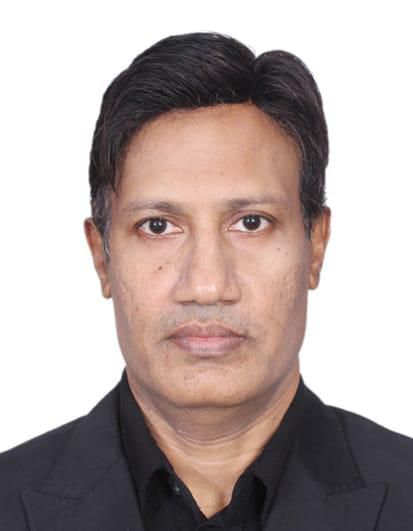
By Junaid Qaiser
In a world filled with escalating conflicts, dwindling trust, and increasingly loud confrontations, Pakistan is finding itself in a rather unique and significant role: right at the heart of crucial international diplomacy. The recent outreach to Prime Minister Shehbaz Sharif from United Nations Secretary-General António Guterres and New Zealand Prime Minister Christopher Luxon goes beyond mere formalities. It signals something much more profound — the global community is rallying behind Pakistan’s efforts to ease tensions between Iran and the United States.
This backing seems to be expanding. Reports indicate that the foreign ministers of Egypt and Canada, along with the UK’s foreign secretary, have also reached out to support Pakistan’s mediating role. Such a level of diplomatic engagement doesn’t just happen by accident. It shows that major world capitals view Pakistan as a nation capable of engaging with multiple parties at a time when open dialogue is desperately needed.
The crisis between Tehran and Washington has become far more than a bilateral dispute. It now carries consequences for global trade, energy markets, and regional stability. With tensions affecting the Strait of Hormuz — one of the world’s most critical maritime routes — the stakes are enormous. Any prolonged disruption threatens oil supplies, inflation, shipping costs, and economic hardship across many countries, especially developing nations. Pakistan understands these realities better than most.
That is why Islamabad’s message at the United Nations Security Council was timely and responsible. Pakistan’s Permanent Representative, Ambassador Asim Iftikhar Ahmad, warned that continued instability at sea could trigger serious economic and security consequences worldwide. He also reminded the international community that diplomacy remains the only sustainable path forward. It was a voice of realism at a time when many others are trapped in the language of escalation.
Pakistan’s role is especially valuable because it can engage all major sides. It maintains relations with Iran, has working ties with the United States, enjoys strategic partnership with China, and holds close brotherly relations with Gulf countries including Saudi Arabia. Few countries possess this kind of diplomatic reach. Even fewer can use it with caution and balance. Pakistan is attempting exactly that.
There are, of course, complications. Some circles within Iran appear uncertain about Pakistan’s growing involvement. That is not surprising. In moments of conflict, suspicion often rises faster than trust. Yet diplomacy is rarely smooth. Mediators are often questioned precisely because they are active. What matters is not noise from the sidelines, but whether channels of communication remain open. By all indications, they do. Reports that Tehran may be considering a new proposal show that diplomacy is still alive.
Prime Minister Shehbaz Sharif’s upcoming visit to China could further strengthen these efforts. Pakistan is expected to brief Chinese leadership on the evolving Middle East crisis and discuss broader regional developments. If Beijing and Islamabad coordinate for de-escalation, it could add serious momentum to peace efforts. In today’s fractured international order, such cooperation is essential.
Pakistan’s foreign policy has frequently been assessed through the challenges of security and domestic issues. Yet, this moment reveals a different narrative: Pakistan as a responsible player using diplomacy to stave off a larger conflict. That’s a role that truly deserves recognition. Nations that build connections in challenging times not only serve their own interests but also benefit the world at large.
The growing international support for Pakistan’s mediation efforts is incredibly important. It underscores that credibility still holds weight. It shows that middle powers can still make a difference. And it indicates that even in a tense and divided region, constructive diplomacy is far from extinct.
The world is backing Pakistan’s peace efforts because peace efforts, now more than ever, need countries willing to act. Pakistan has stepped forward.