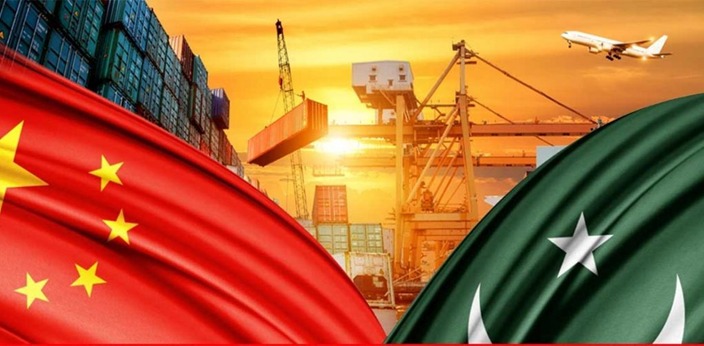
ISLAMABAD, July 7 (INP-Wealth Pakistan) — Balochistan is being positioned as a future hub for regional connectivity, trade, logistics and investment under the China-Pakistan Economic Corridor (CPEC) Phase-II, with the government highlighting major infrastructure projects aimed at unlocking the province’s economic potential.
According to the Ministry of Planning, Development and Special Initiatives’ Monthly Development Update (June 2026), the government’s vision for Balochistan was outlined during the Balochistan Investment Conference 2026, where the province was presented as a strategic gateway for regional economic integration and sustainable development.
The report states that Balochistan’s strategic location places it at the centre of Pakistan’s regional connectivity agenda, with investment opportunities spanning logistics, renewable energy, mining, fisheries, agriculture and transport infrastructure. These sectors are expected to play an important role in attracting domestic and foreign investment while supporting economic diversification.
According to the document, the government believes that ongoing investments under CPEC Phase-II are laying the foundation for transforming the province into a regional trade and logistics hub. The report highlights Gwadar as a key driver of this transformation, supported by improvements in transport infrastructure and connectivity corridors linking the port with the rest of the country and neighbouring regions.
The report notes that a 650-kilometre highway connecting Gwadar and Quetta has been completed in nearly three years, significantly reducing travel time between the two cities from about two days to substantially shorter road journeys. The highway is expected to facilitate trade, improve mobility and strengthen access to markets across the province.
According to the Ministry of Planning, improved transport infrastructure is expected to support economic activity by lowering logistics costs, strengthening supply chains and improving access to remote areas. Better connectivity is also expected to encourage investment in mining, agriculture, fisheries and tourism while creating employment opportunities for local communities.
The report also notes that investments in education and connectivity are being pursued alongside physical infrastructure to support long-term socioeconomic development in Balochistan. These initiatives are intended to improve human capital and ensure that local communities benefit from emerging economic opportunities associated with regional trade and investment.
During the conference, tribute was paid to the 43 Frontier Works Organisation (FWO) personnel who lost their lives while constructing the Gwadar-Quetta highway. The report describes their sacrifices as contributing to the completion of a strategic infrastructure project expected to strengthen regional connectivity and economic integration.
According to the report, the government invited domestic and international investors to explore Balochistan’s expanding investment opportunities, expressing confidence that continued infrastructure development and improved connectivity under CPEC Phase-II will help transform the province into a major centre for trade, logistics and sustainable economic growth.