
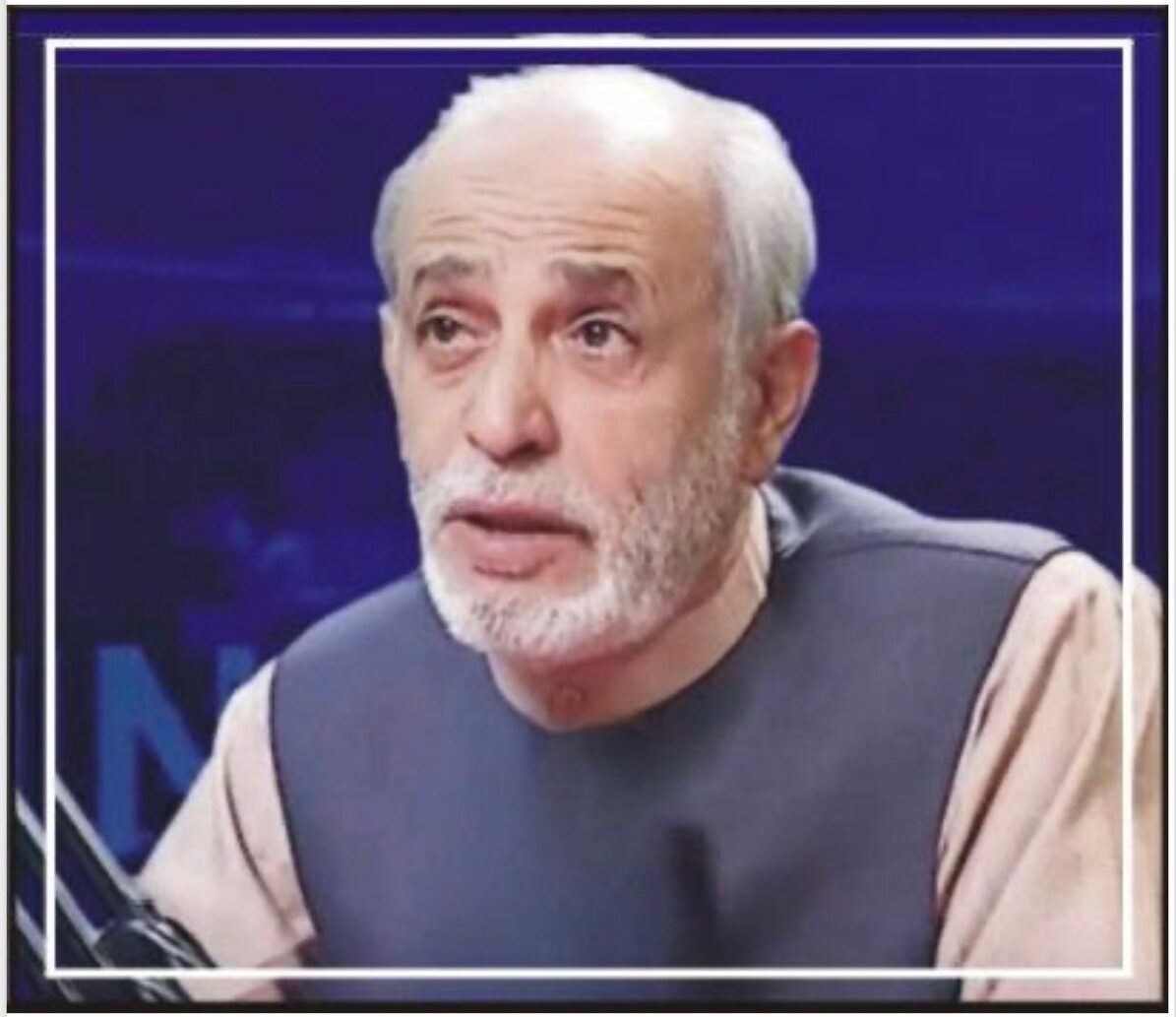
Shamim shahid
Representatives of the business community associated with the Torkham border, including importers, exporters, clearing agents, transporters, traders, and local representatives, recently travelled to Islamabad to urge the federal government to immediately reopen the Torkham border for all commercial activities.
During a press conference, they demanded the prompt release of pending tax refunds for importers and exporters, an immediate survey of damaged properties, and fair compensation for traders and business owners who have suffered financial losses due to the prolonged closure.
According to the representatives, the closure of the Torkham border for nearly ten to eleven months has pushed the economies of the border regions into a severe crisis. Khyber and Torkham depend overwhelmingly on cross-border trade, as the region lacks major industries and has limited agricultural opportunities capable of providing sustainable employment to the local population.
As a result, thousands of traders, transporters, clearing agents, labourers, and daily wage earners are facing serious financial hardships. The business community has therefore called upon the government to restore cross-border trade without delay, compensate affected stakeholders, release outstanding tax refunds, and announce a special relief package to prevent further economic devastation in the border areas.
No one can deny the historical importance of Torkham, Chaman, Ghulam Khan, and other crossing points along the Pakistan-Afghanistan border. For centuries, these corridors have served as vital trade routes linking South Asia with Central Asia and connecting regional markets with the wider world. Situated in rugged mountainous terrain, these passes have attracted historians, travellers, traders, and, at various times, invading armies. Despite wars, political conflicts, and regional instability, these crossing points have largely remained active and have continued to facilitate trade.
Even during the Soviet-Afghan War, bilateral and transit trade between Pakistan and Afghanistan continued. The signing of the Geneva Accords in 1988 created hopes for greater regional stability and increased trade. However, the end of the Cold War was followed by renewed geopolitical competition and internal conflicts in Afghanistan. Nevertheless, despite prolonged hostilities and political rivalries, trade through these traditional corridors continued.
Bilateral and transit trade reached its highest levels after 2001, when Afghanistan was governed first by President Hamid Karzai and later by President Dr. Ashraf Ghani. During this period, Pakistan remained Afghanistan’s principal trade and transit partner.
The situation, however, changed significantly as border restrictions increased and political relations deteriorated. Despite extensive cooperation between Pakistan, Afghanistan, and the international community over many years, mutual trust gradually weakened. Internal political divisions within Afghanistan, combined with changing regional dynamics, further complicated bilateral relations.
Following the return of the Taliban to power on 15 August 2021, many in Pakistan expected bilateral relations and trade to improve. Instead, disagreements over border management, security concerns, and other bilateral issues created new tensions. These differences eventually resulted in repeated border clashes and prolonged closures of important crossing points, including Torkham.
The latest phase of hostilities, which began in October 2025, has severely affected bilateral relations, particularly trade. Thousands of families on both sides of the border have lost their livelihoods. Traders remain deeply concerned about billions of rupees invested in goods and transport, while drivers, transport assistants, labourers, and other low-income workers struggle to provide even two meals a day for their families.
Several friendly countries have attempted to facilitate dialogue and reconciliation between Pakistan and Afghanistan, but lasting progress has remained elusive. At a time when regional tensions continue to grow, stability along the Pakistan-Afghanistan border has become more important than ever. Peace and economic cooperation between the two neighbouring countries are essential not only for border communities but also for regional connectivity and prosperity.
The leadership in Islamabad and Kabul must recognise the urgency of the situation. The two countries share geography, history, culture, and significant security and economic interests. Continued hostility benefits neither side. Reopening border crossings, restoring trade, and pursuing sustained dialogue are essential steps towards economic recovery, regional stability, and the welfare of millions of people whose livelihoods depend upon peaceful cross-border commerce.
