
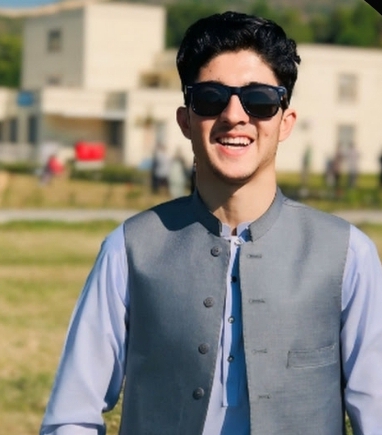
Author: Roman Khan
5th Semester Student of Journalism and mass communication Department, University of Malakand, rk2943237@gmail.com
Higher education is an important foundation for the progress of a country. Universities should not only provide degrees but also develop students’ knowledge, practical skills, confidence, critical thinking, and ability to face real-life challenges. In Pakistan, however, several gaps between education and practical life continue to affect students and young graduates.
One major problem is that education is often more focused on theory than practical skills. A student may complete a four-year degree with good marks but still have limited experience in the workplace. For example, a graduate may understand the theories of business, computer science, teaching, or social sciences but may not have enough experience working on real projects. This creates difficulties when entering the job market.
Young and fresh graduates often face another serious problem: employers ask for experience, while fresh graduates need an opportunity to gain that experience. A graduate may apply for an entry-level job but be rejected because they have no previous experience. Without internships, trainee programs, and first-job opportunities, many young people struggle to take their first professional step. To this end, the Government must encourage mandatory linkages of institutions with industries.
This gap can be reduced by connecting universities more closely with the professional world. Students should have access to paid internships, fieldwork, practical projects, workshops, career guidance, and short professional training before completing their degrees. This shall minimise the financial burden on parents, and shall boost the GDP of country apart from the valuable experience of the degree For example, a student can gain valuable experience by working as an intern, completing a real project for an organization, or participating in a community-based project. Such opportunities can also help students understand their strengths and interests before choosing a career.
The curriculum should also be regularly updated. Modern education requires digital skills, communication, problem-solving, teamwork, and creativity. A degree should prepare students not only to pass examinations but also to use their knowledge in practical situations. Teachers can also use practical activities, discussions, presentations, and real-life examples to make learning more useful and interesting.
Students should also learn to develop their own thinking. Education should not be about memorizing information or simply accepting what others say. Students should observe problems around them, ask questions, compare different ideas, and form opinions based on reason and evidence. For example, if a student notices that many graduates are struggling to find jobs, they should ask why this is happening and think about possible solutions. This habit can improve critical thinking and help students become responsible members of society.
Another important issue is the connection between universities and employers. Universities should understand what skills are needed in the current workplace and help students develop those skills. Employers can also support universities through internships, training sessions, guest lectures, and practical projects. This cooperation can help reduce the distance between classroom learning and professional life.
Research and innovation should receive greater attention as well. Universities should encourage students to identify real problems and develop possible solutions. Students can conduct small research projects, study problems in their communities, and present practical ideas. This can make education more meaningful and help students become creators of opportunities rather than only job seekers.
Many graduates also look abroad for higher education, professional experience, and better career opportunities. International education can provide valuable experience, but Pakistan also needs to create an environment where talented young people can find meaningful opportunities at home to stop brain gain. When young people receive opportunities to use their skills, they can contribute more effectively to their communities and country.
Building trust is equally important in higher education. Integrity and transparency should be part of university life. Students need fair treatment, clear academic policies, honest assessment, and proper career guidance. For instance, students should clearly understand how their marks are awarded and how academic decisions are made. Teachers and university administrations should communicate openly with students, listen to their genuine concerns, and make decisions according to clear rules. When universities work with honesty, fairness, and transparency, students are more likely to trust the system.
Students also have responsibilities. They should not depend only on their degrees. Reading, digital skills, communication, internships, practical projects, and continuous learning can make them better prepared for professional life. Students should also learn to ask questions, think critically, accept constructive feedback, and improve their weaknesses.
The future of higher education should therefore focus on degrees plus skills, theory plus practice, and education plus opportunity. It should also encourage students to develop their own thinking and the confidence to find solutions to real problems. If universities, employers, government institutions, teachers, and students work together, the gap between education and employment can be reduced. Improving higher education is not only the responsibility of one institution; it requires cooperation from everyone involved.
Young people do not only need a degree. They need a fair chance to learn, think independently, gain experience, prove their abilities, and build their future.
Quality education builds capable students; practical opportunities turn their potential into progress.
