
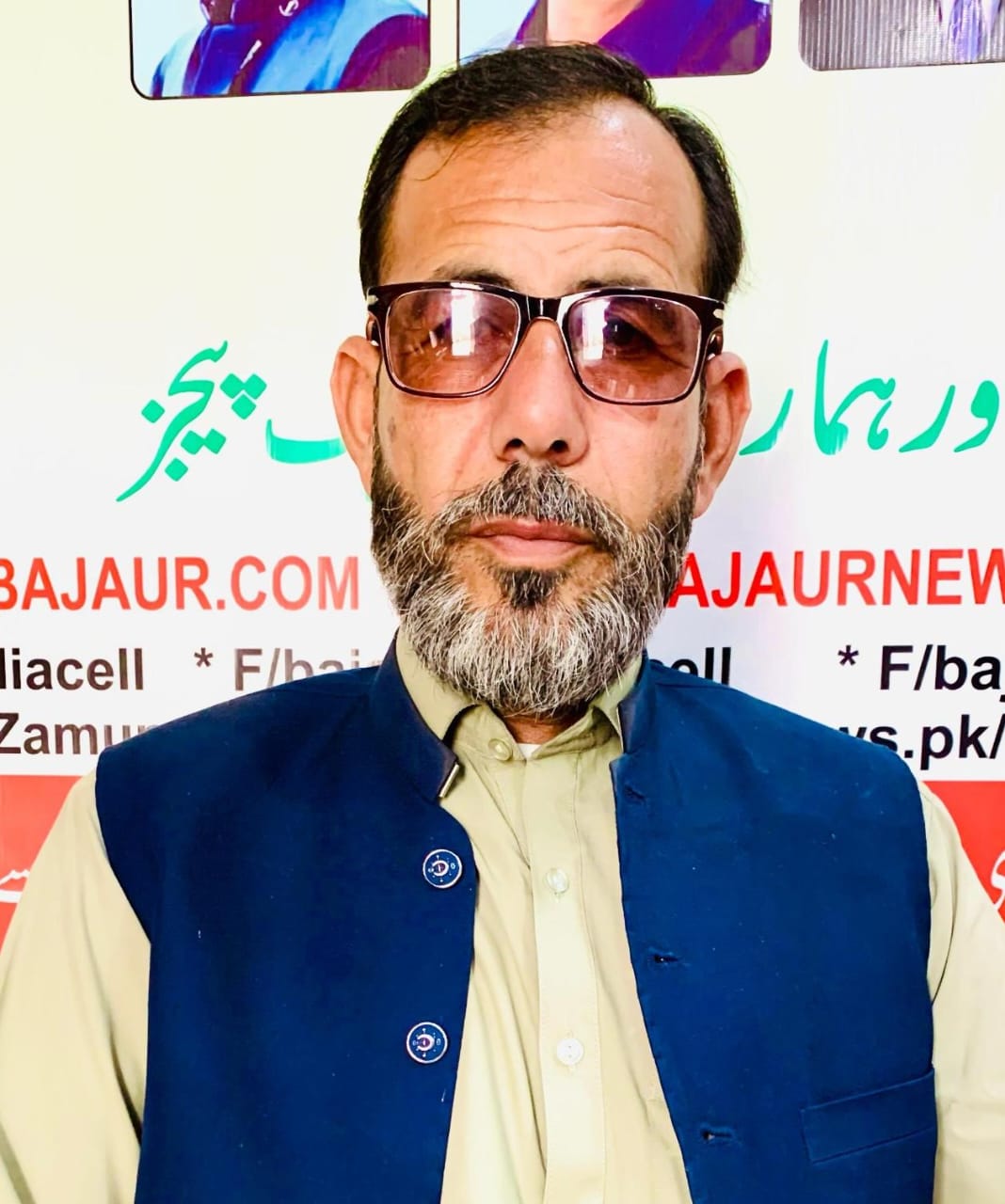
Anwar Zada Gulyar
Benazir Income Support Programme (BISP)
The Benazir Income Support Programme (BISP) is Pakistan’s largest social protection initiative, providing financial assistance to millions of deserving families, particularly women. The programme’s primary objective is to reduce poverty, empower women economically, and ensure that financial assistance reaches them with dignity. However, the recently introduced Digital Wallet System has sparked widespread concern and debate, especially in the remote districts of Khyber Pakhtunkhwa—including Bajaur, Mohmand, Lower and Upper Dir, Swat, Khyber, and other former tribal districts—as well as in Peshawar, Mardan, Swabi, and many rural areas of Punjab. The key question remains: Will this system genuinely facilitate access to financial assistance, or will it create even greater hardships for deserving women?
Under the new mechanism, women are required to have a mobile SIM registered in their own name in order to receive financial assistance. While this initiative appears to be a positive step towards transparency and digital transformation, the ground realities present a very different picture. In rural and underdeveloped areas, thousands of women neither own personal mobile phones nor possess the digital literacy needed to use such services. To obtain a SIM card, many are forced to make repeated visits to mobile franchise outlets, stand in long queues, undergo biometric verification, bear travel expenses, and overcome various technical hurdles. A welfare programme should ease the burden on beneficiaries—not add to it.
There is also a growing perception at the local level that while the new system may generate commercial benefits for mobile network operators through the registration of millions of new SIM cards, it offers little practical benefit to deserving women. Instead, they are left to bear additional costs, waste valuable time, and endure unnecessary stress. Although the government’s objective is to improve transparency, security, and digital payments, any reform can only be considered successful if it simplifies access for beneficiaries rather than creating new obstacles.
Another serious concern is that, in many rural and tribal communities, a large number of women neither use mobile phones themselves nor retain control over SIM cards registered in their names. In many households, these SIM cards are used by male family members. Consequently, there is a genuine risk that financial assistance intended for women may instead be withdrawn and controlled by men, undermining the programme’s core objective of providing women with direct financial empowerment.
It is equally important to recognize that mobile network coverage, internet connectivity, digital literacy, and banking infrastructure remain inadequate in many parts of Khyber Pakhtunkhwa, the former tribal districts, and rural Punjab. Before introducing a fully digital payment system, it would have been more appropriate to ensure that women had access to adequate training, awareness programmes, and user-friendly support mechanisms. Otherwise, the system risks becoming a source of hardship rather than convenience.
On the other hand, the previous payment mechanism had proven to be more compatible with local conditions in districts such as Bajaur, Mohmand, Dir, Swat, and other remote areas. Although it was not without administrative shortcomings, women had become familiar with the process and were generally able to receive their financial assistance with fewer complications. This is why community leaders, elected representatives, civil society organizations, and the beneficiaries themselves are calling either for the restoration of the previous payment system or, at the very least, for substantial reforms to the new wallet system so that it reflects the social, cultural, and technological realities of rural Pakistan.
The Government of Pakistan, the BISP administration, and the relevant institutions should carefully review public concerns, recommendations from elected representatives, and the realities on the ground before fully implementing this system. If a policy is causing deserving women humiliation, unnecessary expenses, repeated visits to offices, and psychological distress simply to receive the assistance they are entitled to, then it is the state’s responsibility to correct that policy without delay.
People across the affected regions are demanding that the previous payment system be restored until the Digital Wallet System is made practical, accessible, and suitable for local conditions. According to many beneficiaries, community elders, local representatives, and members of the public, the previous mechanism was more convenient, familiar, and better suited to the needs of women living in rural and remote areas. They argue that restoring the old system would spare deserving women unnecessary hardship while ensuring that financial assistance reaches them in a timely and dignified manner.
The need of the hour is to restore the previous payment mechanism until the Digital Wallet System is made practical, accessible, and effective for women across all regions of the country. A true welfare state is defined not merely by the adoption of modern technology but by its ability to ensure that its most vulnerable citizens receive their rightful assistance with dignity, convenience, and without unnecessary obstacles. If the new system continues to create more difficulties than benefits for deserving women, restoring the previous payment system would be the most practical, humane, and people-centred solution in the public interest.
