
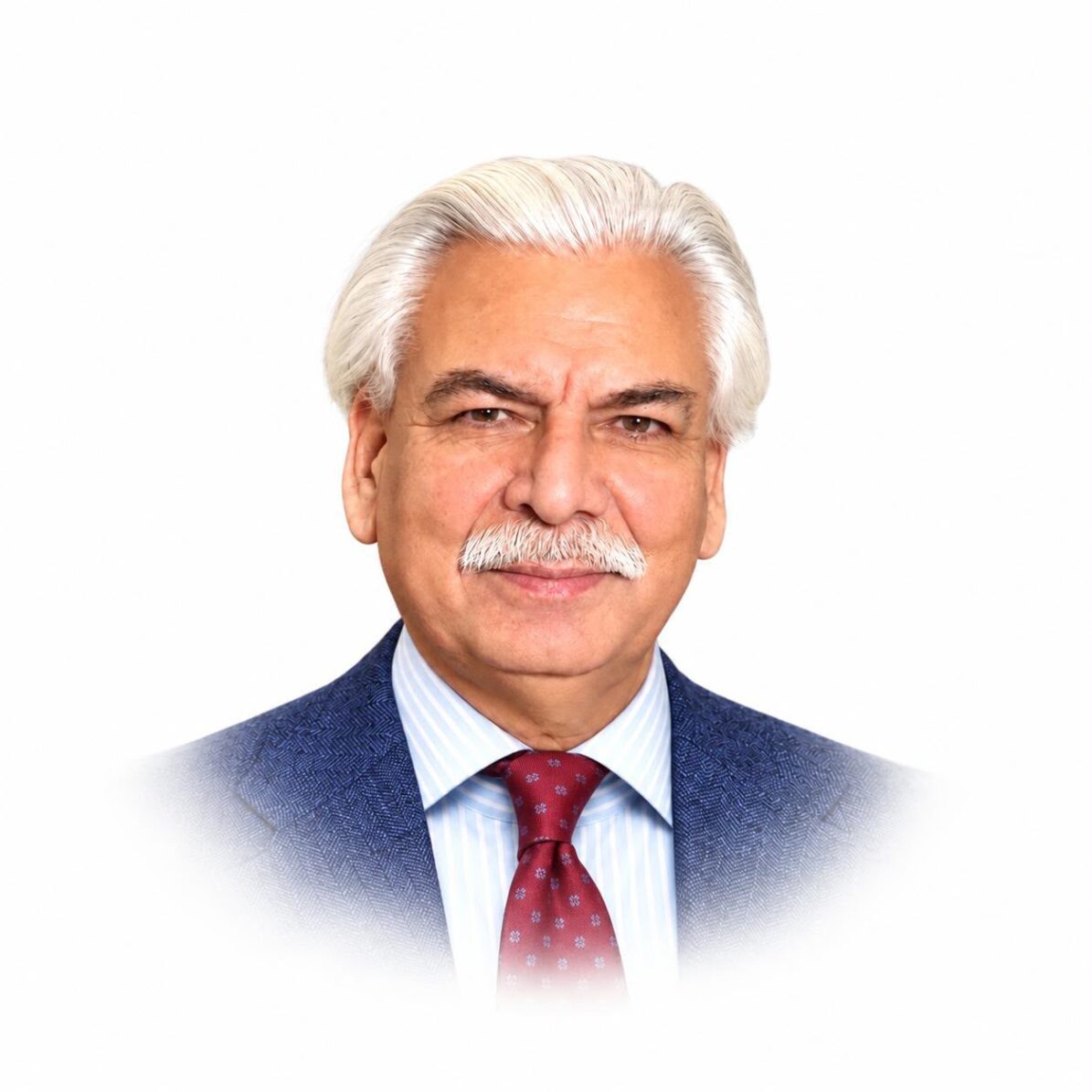
Barrister Usman Ali, Ph.D.
A father sold milk from his motorcycle to finance his daughter’s education. Later, determined to secure her future, he sold his plot of land. A mother pawned her jewellery. Their daughter worked tirelessly, earned a gold medal, and dreamed of pursuing higher education abroad. Yet that dream was allegedly destroyed by fraud.
The tragic death of Laiba Ejaz from Islamabad is more than a family tragedy. It raises disturbing questions about Pakistan’s regulatory failures, lack of government oversight, and collective indifference to the exploitation of young people.
According to the Federal Investigation Agency’s (FIA) preliminary investigation, the accused allegedly collected Rs 9.3 million from Laiba on promises of securing a US visa and scholarship, using forged scholarship letters, university admission documents, and tuition payment receipts.
Unfortunately, this is hardly an isolated incident. Why does Pakistan lack an effective system to prevent individuals from collecting millions through false promises of university admissions, scholarships, and visas while destroying young people’s futures?
From major cities to small towns, self-proclaimed education and immigration consultants operate with inadequate scrutiny. Newspapers and social media overflow with advertisements promising guaranteed visas, free education, fully funded scholarships, and quick departures. Impressive offices, supposed international connections, and fabricated success stories help some operators gain families’ trust. Allegations also point to overseas facilitators, yet accountability remains elusive.
The wider tragedy of human smuggling is even more horrifying. According to a July 2026 report based on FIA records, at least 335 Pakistanis died in seven boat disasters since June 2023. Educational fraud and illegal migration are different problems, but both exploit the same powerful desire for a better future.
I personally know a student who experienced similar alleged deception. A consultant initially collected a substantial amount from him, promising admission to a Canadian college. Instead, he received documents from an institution lacking proper recognition, and his visa application was refused.
His ordeal continued when another consultant promised him and several other students university admission and scholarships in Italy. Further substantial payments followed. After waiting nearly two years, the students were asked for additional money, supposedly to engage an Italian lawyer who could arrange visa interviews at the Italian Embassy.
Eventually, they attended interviews. Yet another year passed without visas or meaningful explanations. The students lost substantial sums and nearly three precious years of educational and career opportunities.
These are not hypothetical examples but experiences of students I personally know. Their documents, payments, and dealings with consultants deserve independent investigation.
The Italian Embassy can examine its official records of the students’ applications and interviews. This is especially important because, according to the affected students, they were led to believe that certain individuals within the Italian visa office were also involved. Such serious, unverified allegations require impartial investigation to establish the truth and protect the embassy’s reputation. Pakistani authorities, meanwhile, must investigate the consultants’ financial dealings and any suspected fraud.
But who compensates a young person for three lost years? Families may eventually recover some money, but who restores missed educational opportunities, delayed careers, and shattered confidence? The damage extends far beyond finances, affecting entire families economically, emotionally, and psychologically.
Other countries have taken steps to address such abuses. Following widespread fraudulent admission-letter cases, Canada introduced mandatory verification of acceptance letters directly through educational institutions. In July 2026, the Italian Embassy warned prospective students to use the official Universitaly portal for pre-enrolment and beware of individuals selling visa appointments.
If destination countries are strengthening verification and warning students about scams, why is Pakistan failing to exercise effective oversight over those exploiting its citizens?
The government must urgently establish clear, enforceable regulations for overseas education and immigration consultancy services. Consultants should be registered, with their legal status, professional qualifications, fees, services, and complaints publicly verifiable. Written agreements and receipts must accompany every payment.
Misleading advertisements, forged documents, and guarantees of visas should attract strict penalties. Where fraud is proven, offenders must face appropriate punishment, alongside effective mechanisms for recovering victims’ money and compensating their losses.
The Higher Education Commission, universities, FIA, and foreign embassies should establish regular channels for information sharing. Where evidence implicates facilitators abroad, Pakistan must pursue international legal cooperation.
Newspapers and digital platforms also have responsibilities. Advertisers offering educational and immigration services should undergo reasonable verification before their claims are published. Those knowingly promoting fraudulent advertisements must face legal consequences.
Students and parents must exercise caution too. University recognition, admission offers, and scholarships should be verified independently through official channels. No one should trust guaranteed visa promises, make undocumented payments, or hesitate to report suspicious activity.
Yet the state cannot evade its responsibility simply by telling citizens to be careful. Protecting people from organised deception is a fundamental obligation of government.
Perhaps the most heartbreaking consequence of such exploitation is the loss of human life. Young people burdened by parental sacrifices, mounting debts, disappointment, and fear of failure need compassion, reassurance, and timely psychological support, not blame or humiliation.
There is no shame in becoming a victim of fraud. The shame belongs to those who deceive others. No admission, visa, scholarship, or amount of money is worth more than a human life.
The Interior Ministry’s intervention and the FIA’s actions should be viewed as a beginning, not a conclusion. Must another tragedy occur before the government acts? Are brief media attention, a few arrests, and routine official statements sufficient responses to a problem that has devastated so many families?
Laiba cannot be brought back, but another young person can be saved. Unless this tragedy produces meaningful reform, the next heartbreaking headline may carry a different name and city, but the story will remain tragically familiar.
What could be more devastating for a nation than watching its brightest young people pursue education and opportunity, only to encounter deception, despair, and helplessness?
The true measure of a government’s success is not the number of suspects arrested after a tragedy, but whether it creates a system in which fraudsters fear the law, victims can obtain justice, and families’ life savings are protected.
Above all, no other father should have to sacrifice everything for his daughter’s future, only to watch the dreams he worked a lifetime to fulfil collapse before his eyes.
