
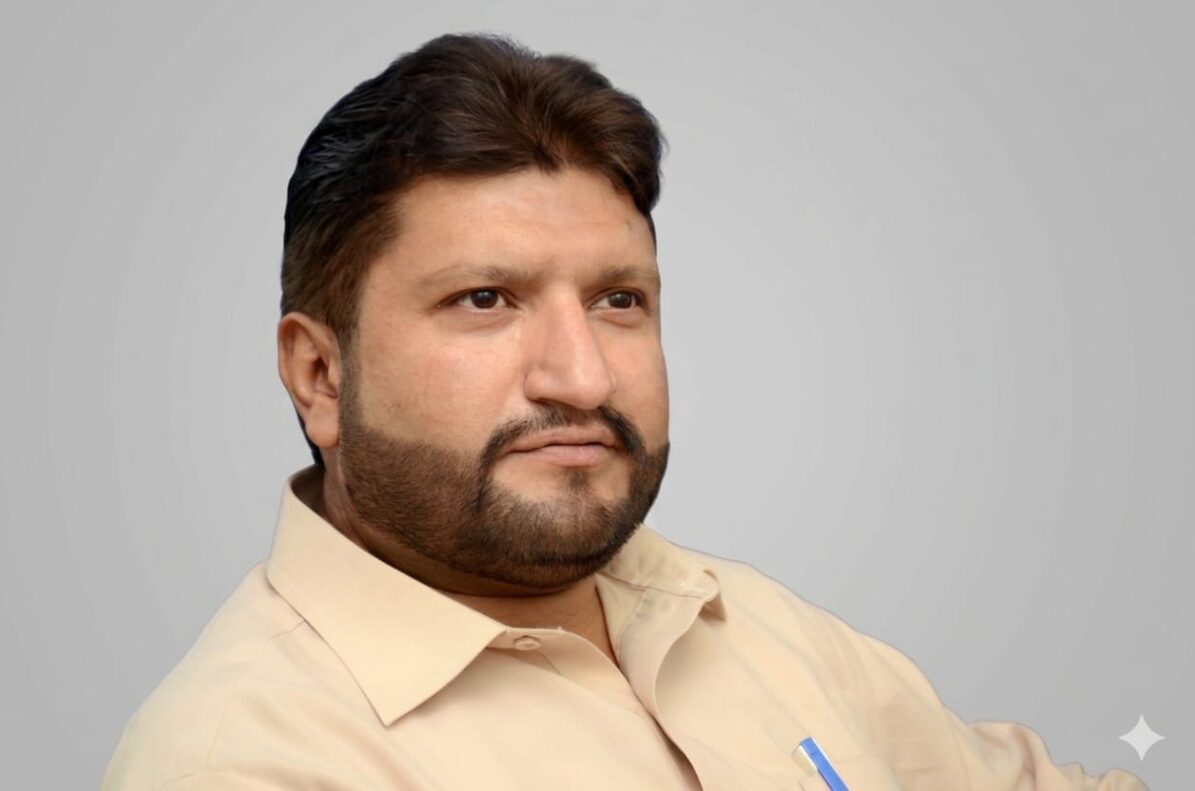
Amjad Hadi Yousafzai
The Khyber Pakhtunkhwa Assembly has finally approved the “Prosperous Khyber Pakhtunkhwa” budget for the fiscal year 2026–27, with a total outlay of Rs. 2.17 trillion. The government has described it as a people-friendly, tax-free budget that guarantees development, while the opposition has called it unrealistic and disconnected from ground realities. However, the debates held in the assembly over the past ten days made it clear that the disagreement was not limited to the government and the opposition; concerns and unease regarding the budget were also evident within the ruling party itself.
During the budget sessions, several members of the ruling party, including former Chief Minister Ali Amin Gandapur, raised questions about development funds, resource allocation, and financial priorities. Some government lawmakers even argued that the funds allocated for certain projects were so insufficient that their completion could take decades. PTI lawmaker Sajjad Barakwal went as far as describing the Rs. 121 billion supplementary budget as a “raid on the provincial treasury” and demanded a complete audit of it.
In fact, one of the most controversial aspects of this budget session was the supplementary budget exceeding Rs. 121 billion, which further intensified the political atmosphere. The opposition questioned why such a large supplementary budget became necessary at the end of the fiscal year if the government had consistently claimed to have maintained a surplus budget and sound financial discipline. JUI-F, PML-N, and other opposition parties described it as evidence of poor financial planning, while the government argued that unavoidable expenditures, development needs, and emergency financial requirements made the supplementary budget necessary.
The government maintained that it was a legal and administrative necessity, but the debate undoubtedly raised fresh questions about the province’s financial management and governance.
During this period, several incidents inside the assembly also overshadowed the political discussion. One particularly unusual event occurred during the budget approval process when a security guard of the Chief Minister entered the assembly floor and chanted political slogans. The opposition condemned the incident as a violation of the sanctity of the assembly, forcing Speaker Babar Saleem Swati to apologize before the house and announce an inquiry into the matter.
However, the issue of parliamentary decorum was not affected from only one side. Later, a video surfaced showing opposition member Jalal Khan using a vape (electronic cigarette) inside the assembly. The incident drew widespread criticism. Jalal Khan subsequently apologized to the Speaker and expressed regret over his actions, but the episode raised an important question: if elected representatives themselves fail to observe parliamentary etiquette, how can the dignity and seriousness of the house be maintained?
Thus, incidents from both the government and opposition benches during the budget session undermined the sanctity of the assembly. On one hand, a government-affiliated individual entered the assembly floor and raised political slogans; on the other, an opposition member was seen vaping inside the chamber. Both incidents reflected how political tensions can sometimes overshadow parliamentary traditions and norms.
Yet beyond all these political controversies lies the fundamental question that remains in the minds of ordinary citizens: Will this budget bring any real benefit to the people?
On paper, the figures appear impressive. The budget allocates Rs. 468 billion for education, Rs. 334 billion for health, Rs. 191 billion for policing, and Rs. 524 billion for development projects. Government employees’ salaries and pensions have been increased, the minimum wage has been set at Rs. 45,000, and several welfare programs have been announced.
However, people do not judge budgets by official documents; they judge them by their everyday lives. There was a time when a budget would determine the economic direction of an entire fiscal year. Today, prices change almost daily. The costs of flour, sugar, vegetables, medicines, electricity, and gas continue to rise. The average citizen often feels no tangible positive impact from the budget document that is presented each year.
Similarly, billions of rupees are allocated annually for development projects, yet the results on the ground remain limited. Roads remain incomplete, hospitals continue to suffer from inadequate facilities, schools lack basic necessities, and many projects survive only in budget books for years. In contrast, funds allocated for recurring expenditures are usually spent almost in full.
This is precisely why not only the opposition but also members of the ruling party were seen raising questions during the budget session. If government lawmakers themselves are dissatisfied with development priorities, financial transparency, and the utilization of funds, then the concerns being expressed by the public cannot be dismissed as unnecessary.
The budget has been approved. The supplementary budget has also been passed. Political slogans have been raised, protests have been staged, and accusations have been exchanged. But the real test begins now.
When the next budget is presented a year from now, the public will not ask whether the budget size was Rs. 2.17 trillion or Rs. 2.5 trillion. They will simply want to know whether their children received a better education, whether healthcare became more accessible, whether employment opportunities increased, and whether their lives improved.
If the answer to these questions is negative, then this budget, the supplementary budget, and all the heated debates that took place in the assembly will become nothing more than a part of political history—not a story of public welfare and progress.
