
By Shakeel Ur Rehman
Football has always been a game of courage, conviction and moments that become part of history. Legends are often built on stories of unwavering determination, and one of the most enduring tales associated with the conquest of the Iberian Peninsula is that of the great commander Tariq bin Ziyad, who is famously said to have ordered his soldiers to “burn the boats,” leaving no path of retreat and only one destination—victory.
Whether viewed as history or legend, that powerful symbolism seemed to come alive in the FIFA World Cup 2026 Final, where Spain played with the same fearless commitment, refusing to step back for a single moment.
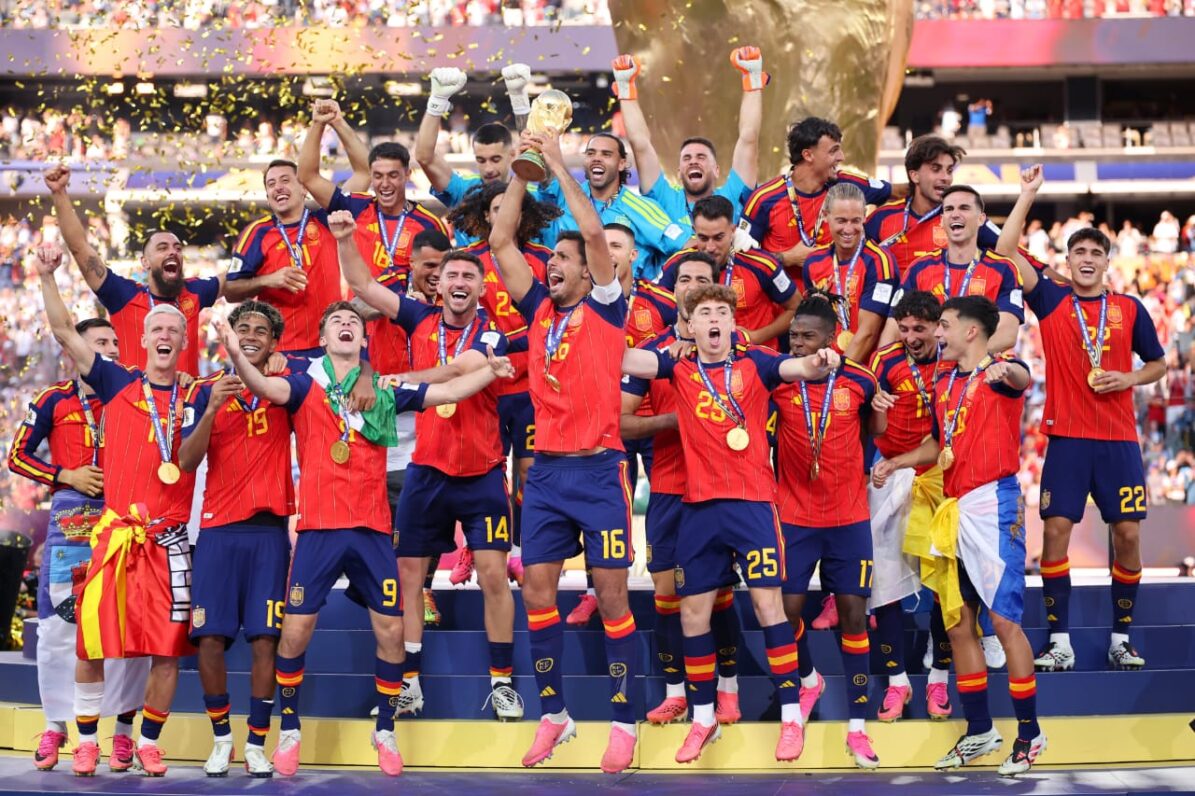
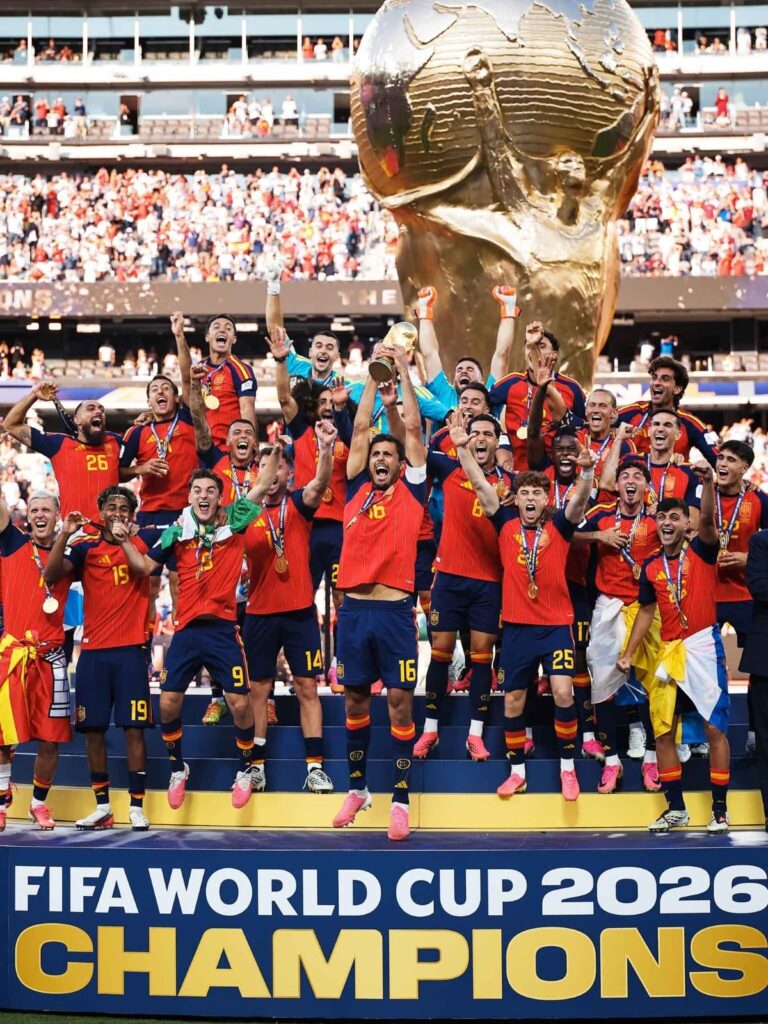
Spain were crowned FIFA World Cup champions for the second time, producing one of the finest performances ever witnessed in a World Cup final. Their triumph was not built on luck or isolated moments of brilliance; it was the result of tactical intelligence, relentless pressing, exceptional teamwork and complete control of every phase of the game.
The defending champions, Argentina, entered the final carrying the hopes of millions around the globe. Across Pakistan, as in many football-loving nations, the overwhelming majority of supporters were behind Lionel Messi and his teammates. For many fans, Argentina had become synonymous with Messi himself—a football icon whose achievements have inspired an entire generation.
Yet World Cup finals are not won by reputation alone.

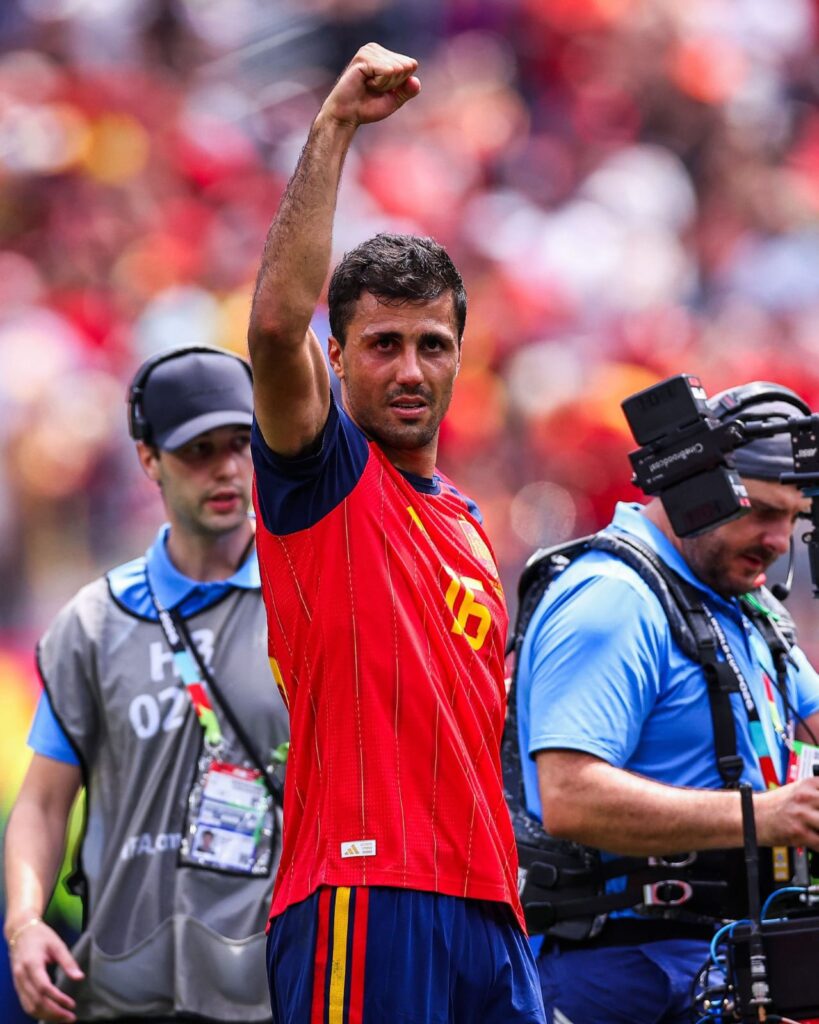
From the opening whistle, Spain looked sharper, quicker and tactically superior. Their midfield dictated the rhythm, their defenders remained calm under pressure and their forwards constantly stretched Argentina’s back line. Every Spanish player understood his role, moved with purpose and executed the game plan with remarkable precision.
Argentina, by contrast, appeared strangely subdued. The fluency that had defined their earlier performances was nowhere to be seen. Their midfield struggled to link play, the attack lacked penetration and the team’s usually dangerous transitions were repeatedly disrupted by Spain’s aggressive pressing.

Possession remained firmly in Spain’s favour for long periods as they controlled nearly seventy percent of the ball. They created wave after wave of attacks, forcing Argentina deeper into their own half and preventing the South Americans from establishing any sustained momentum.
The statistics painted an unmistakable picture. Spain dominated possession, produced far more attempts on goal and maintained relentless territorial pressure throughout the contest. Argentina were forced into repeated defensive interventions, accumulating yellow cards, a sending-off and numerous fouls as they attempted to halt Spain’s attacking flow.
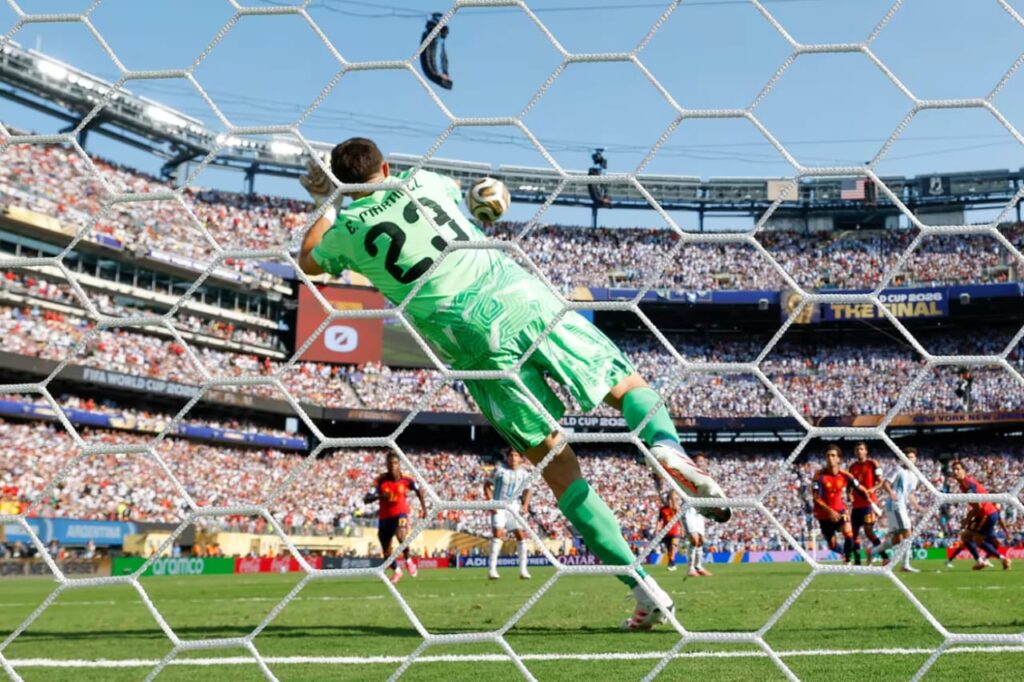
Had it not been for the extraordinary brilliance of goalkeeper Emiliano Martínez, the contest could have been decided much earlier. The Argentine shot-stopper produced save after save, frustrating Spanish forwards with remarkable reflexes and reminding the football world why he is regarded as one of the finest goalkeepers of his generation. For more than ninety minutes Martínez almost single-handedly kept Argentina alive.
But football ultimately rewards persistence.
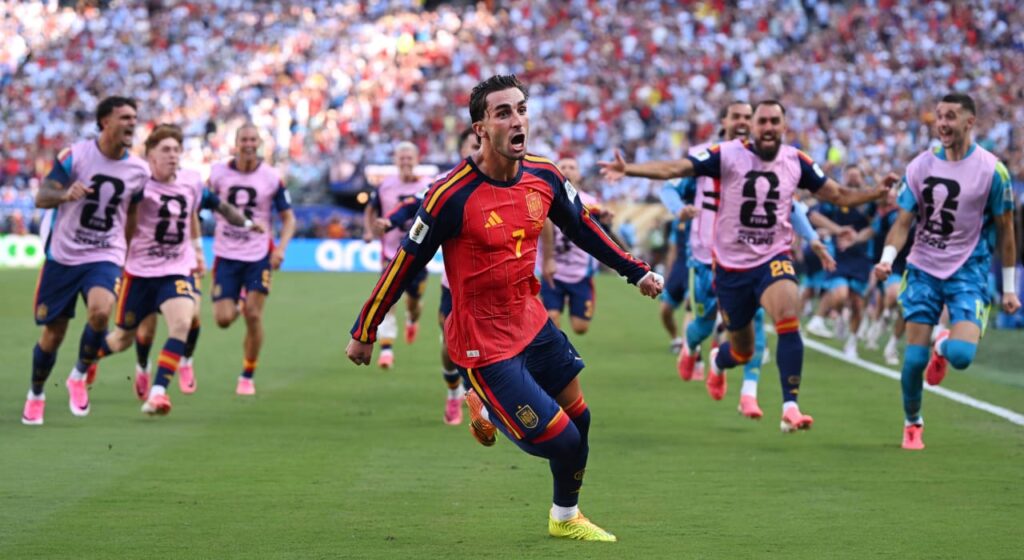
Deep into extra time, Spain finally found the breakthrough they had deserved. Torres timed his run perfectly before clinically finishing the move that sent Spanish supporters into ecstasy and finally broke Argentina’s resistance.
Only then did Argentina awaken.
The champions suddenly began to attack with urgency and belief, creating several dangerous opportunities during the closing stages. For the first time in the match, Spain’s defence was seriously tested. Yet the Spanish goalkeeper responded with composure, producing crucial saves that preserved his nation’s slender advantage.
Those frantic final minutes showcased Argentina’s fighting spirit, but the response came far too late.
Lionel Messi, playing what many believe to be the final World Cup match of his incomparable career, has already secured his place among football’s immortals. His legacy remains untouched, regardless of the result. However, even the greatest player cannot succeed without collective support, and on this occasion Spain’s unity, discipline and tactical excellence proved stronger than individual brilliance.
Spain’s victory was the triumph of a complete footballing philosophy. Every player contributed, every line functioned flawlessly and every tactical adjustment worked exactly as planned. They pressed with intensity, defended with intelligence, attacked with confidence and never surrendered control of the occasion.
Winning a World Cup demands more than talent. It requires courage under pressure, belief in a collective vision and the willingness to fight until the very last whistle.
On football’s grandest stage, Spain demonstrated all of those qualities.
They did not merely defeat Argentina.
They outplayed the defending champions in every department, reclaimed football’s greatest prize and etched another glorious chapter into their nation’s sporting history.
On this unforgettable night, Spain played with absolute conviction—like a team that had already burned every boat behind them, leaving only one possible destination.
The FIFA World Cup trophy returned to Spain, and no one could question that they were worthy champions.
