
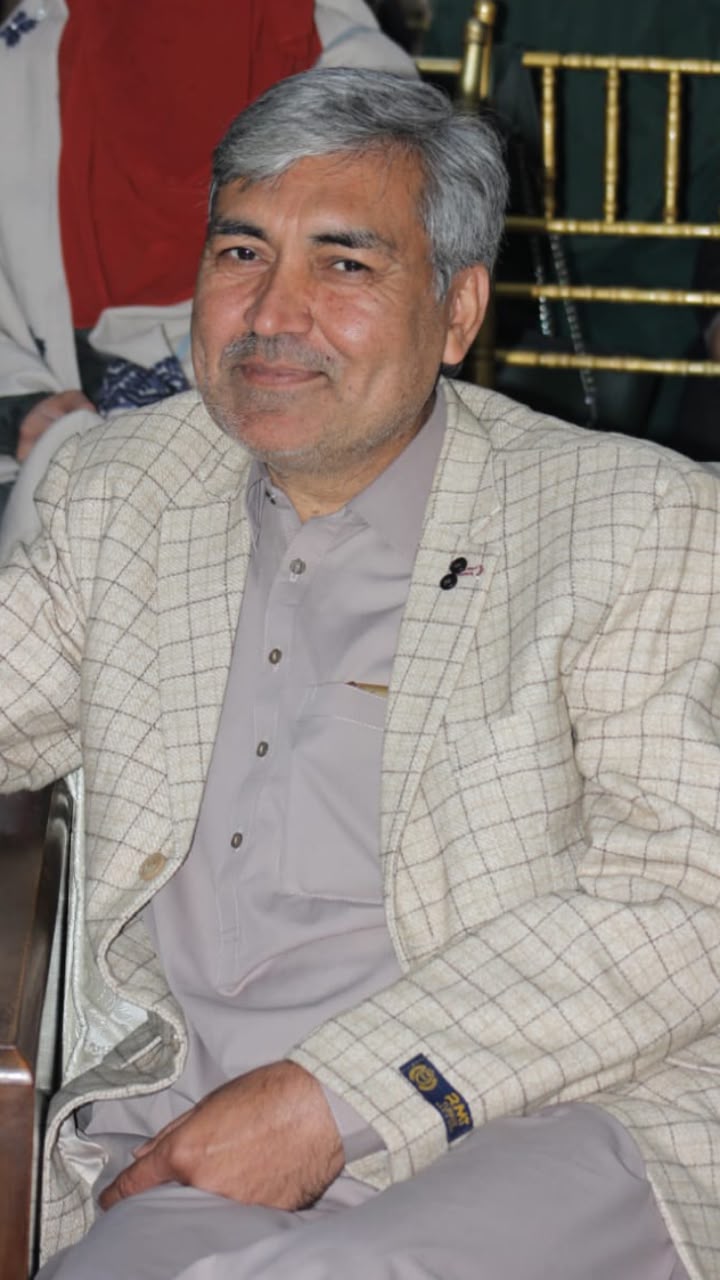
By Prof. Dr. Imtiaz Ahmad
_iahmaad@hotmail.com
Peshawar, August 26, 2026
Pakistan’s higher education sector stands at its most vulnerable point in two decades. Despite a clear directive from the Higher Education Commission issued on the directives of the Commission and in compliance with the Islamabad High Court’s order, not a single university has filled its vacant faculty positions by the August 15, 2026 deadline. The IHC had categorically observed that there is no precedent of “re-reappointment” anywhere in the world and directed HEC to frame a statutory service structure for BPS faculty under Section 10-1(q) of the HEC Ordinance. In response, HEC first replied in the negative, and later instructed universities to continue with existing practices while expediting the process of re-reappointments. A reminder for strict compliance was also issued after several months. Yet, no attention was paid even by any university as no such advertisement is notified in that period. To date, no university has made any compliance on record even though the date has passed that rises a big question mark on the status of HEC and it’s commission.
This administrative silence has left thousands of BPS faculty members in prolonged uncertainty. Their grievances remain unresolved not because there is no solution, but because there is no will to implement it. The problem cannot and should not be linked to any association. It is a national issue tied directly to the quality, credibility and sustainability of our universities.
The illegal and discriminatory practice of re-reappointments has not only deprived faculty members of their legitimate rights but has also contributed to creating a dysfunctional working environment across the higher education system. Consequently, universities are increasingly confronted with daily inquiries, litigation, and disruptions or closures of educational processes. Since policy formulation and regulatory oversight primarily fall within the mandate of the HEC, it must bear responsibility for addressing these systemic issues and ensuring the implementation of fair, transparent, and lawful appointment practices.
The solution to this problem is already available. A mutually agreed draft statutes for Performance based promotion of the BPS faculty at par with the TTS faculty statutes has been circulated to universities. There is no alternative to its formal approval by the commission and its notification. HEC must now either clear its not binding official status and duties of framing such statutes to the faculty of all public universities in Pakistan, or immediately frame and notify the draft statutes.
At the heart of this crisis is a fundamental discrimination. For the last 20 years, HEC invested in grooming 10% of faculty under the Tenure Track System. Their salaries were raised, promotions were made timely, and they were trained according to international procedures. That was the right step now they all are professors or shall be in the next 2-3 years, because these are international practices and they worked. But what about the remaining 90% of faculty serving in BPS? They teach the majority of courses, supervise the majority of students, and manage departments, yet they have been denied the same grooming, the same career progression and the same financial increase through upgraded ranks. Why they are pushing to be juniors to their juniors and their students? Why is the Commission insisting on grabbing the rights of 90% of teachers instead of facilitating them, as it did in the past in 2006 when it played a historic role in scaling up the status and pay of university teachers?
Grooming 90% of BPS faculty at par with international procedures is not a favor. It is a necessity indeed. Timely promotion, transparent recruitment to fill all vacancies, and professional development on international standards will not only boost academic quality but will also appeal to the international trend of students choosing to come and study in Pakistan. This is not merely a dream. This is how advanced countries began. Today many of them have more than 70% international students in their own classrooms, and that diversity has had a direct and measurable impact on their economy, research output and global standing.
Pakistan now has enough PhDs in every university to lead this change. With a stable and respected faculty, our campuses can be converted into economic hubs and industries. We can attract international students, build research linkages abroad, ensure financial sustainability of universities, and shift from brain drain to brain gain. That will improve our GDP and our global image.
Instead of protecting the due rights of faculty, the current passivity of the Commission is pushing higher education toward a dark and dead end. History will not forget this period of insensitive and punishing behavior, of grooming discrimination and denial of due rights.
The time for reminders is over. The time for action is now. HEC must play the role it played in 2006. It must fill all vacant positions, end the 90% vs 10% divide, and notify the service structure for BPS faculty with backdate due promotion for faculty. Only then can we claim that we are serious about raising the standards of universities and higher education in Pakistan.
