
By Latif Ur Rehman
Peshawar: On the historic canvas of Pakistan Day, the Government of Khyber Pakhtunkhwa unveiled a defining chapter in its environmental journey as the province rose in unison under the banner of “Ehsaas-e-Shajar,” a movement that transformed a day of national remembrance into a living testament of hope, resilience, and renewal. Rooted in the spirit of collective responsibility and inspired by the enduring vision of a greener Pakistan, the initiative brought together citizens, institutions, and the state in an extraordinary convergence of purpose, where the act of planting a tree became a symbolic gesture of gratitude to the past and a solemn pledge to the future.
Under the visionary leadership of the Chief Minister, Khyber Pakhtunkhwa Muhammad Sohail Afridi, the province set out to achieve an ambitious yet profoundly meaningful milestone; the plantation of over one million saplings in a single day. What began as an idea soon blossomed into a province-wide climate action movement, echoing across valleys, plains, and mountains alike, where every planted sapling carried within it the promise of life and continuity. The initiative was not merely an environmental intervention but a powerful social awakening, redefining plantation as a shared civic duty and an enduring expression of national identity.
With meticulous planning and seamless coordination, the KP Forest Department, in collaboration with allied government institutions, educational establishments, civil society, and community groups, orchestrated this monumental effort across 285 carefully selected plantation sites spanning all districts of the province. From schools and universities to communal lands and forest areas, the campaign reached every corner, ensuring both ecological relevance and community ownership. The participation of youth and academia infused the initiative with vitality and purpose, nurturing not only saplings in the soil but also environmental consciousness in the hearts of a new generation.
A defining hallmark of Ehsaas-e-Shajar was its pioneering embrace of digital innovation, which elevated the campaign into a model of transparency, accountability, and evidence-based governance. Through a dedicated mobile application and a centralized monitoring dashboard developed with the support of the KP IT Board, every plantation activity was geo-tagged, visually documented, and tracked in real time. A virtual control room, alive with live feeds and data streams, stood as a symbol of this new era of climate governance, where technology and nature walked hand in hand to ensure integrity and impact.
The resonance of this initiative extended far beyond institutional frameworks, as thousands of citizens actively participated, planting saplings and sharing their contributions through digital platforms. This unprecedented level of public engagement transformed Ehsaas-e-Shajar from a government-led drive into a truly citizen-centric movement, fostering a sense of ownership and pride that will endure long after the saplings take root. The presence and participation of public representatives, government officials, and community leaders further underscored the unity of purpose that defined the day.
The credibility and success of the campaign were further strengthened through independent monitoring by the World Wide Fund for Nature, which validated the plantation activities and affirmed the quality of execution, including site preparation, species selection, and community involvement. This external verification added a layer of authenticity and reinforced confidence in the initiative’s outcomes, marking it as a benchmark for future environmental endeavors.
Beyond the immediate achievement lies a deeper, long-term vision. The plantation of over one million saplings is projected to contribute significantly to carbon sequestration, with an estimated absorption of hundreds of thousands of tons of carbon dioxide over the coming decades. Yet, the true measure of success, as acknowledged by the government, rests not only in numbers but in the survival and sustained growth of these saplings, calling for continued commitment to post-plantation care, monitoring, and ecological stewardship.
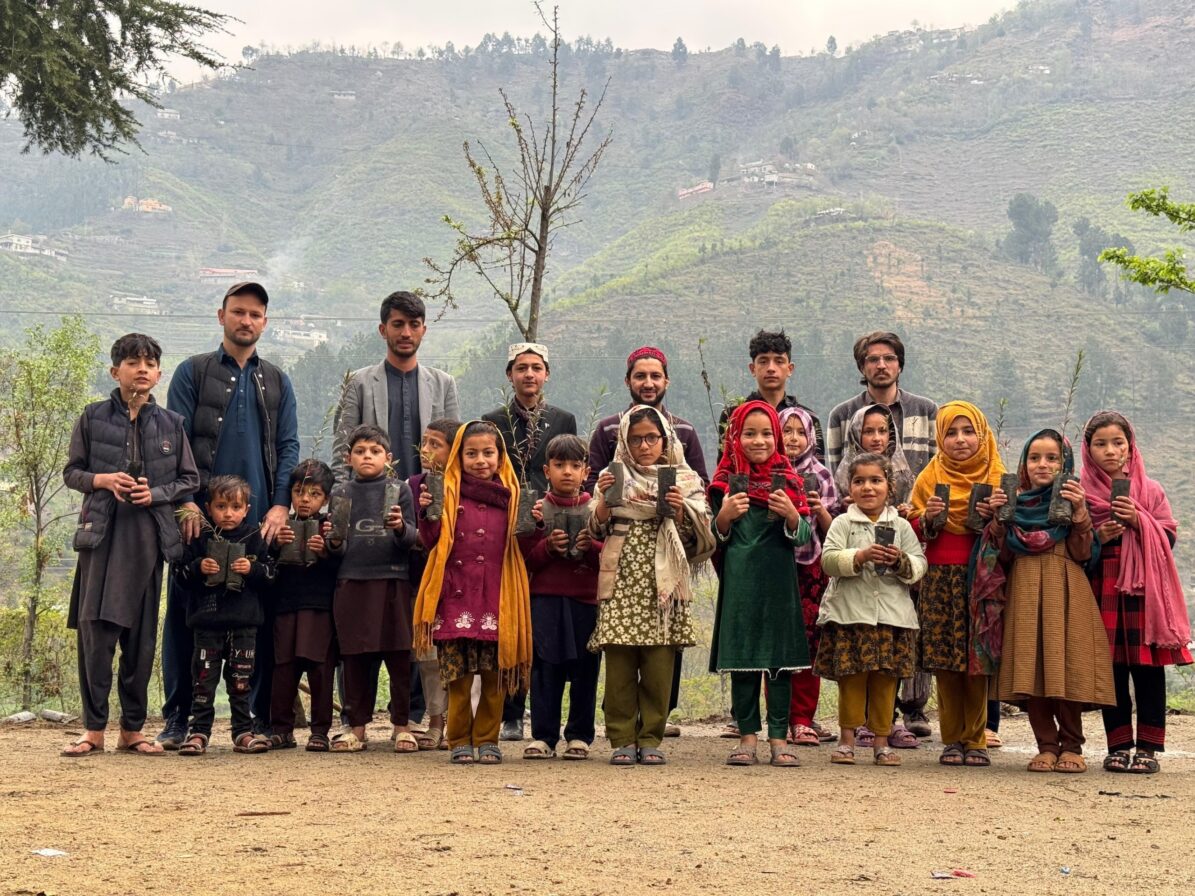
As the sun set on March 23, 2026, it left behind more than freshly planted saplings; it left a legacy etched in the soil of Khyber Pakhtunkhwa—a legacy of unity, responsibility, and hope. The smiles on the faces of participants, captured in hundreds of images now part of the public record, tell a story far richer than statistics—a story of a people who came together, not just to plant trees, but to nurture a vision of a greener, more resilient tomorrow.
Ehsaas-e-Shajar stands today as a beacon of what collective will can achieve, a reminder that even in the face of global climate challenges, the seeds of change lie within our grasp. With this historic milestone, Khyber Pakhtunkhwa reaffirms its unwavering commitment to environmental sustainability and sets a compelling precedent for the nation to follow, where every leaf that unfurls in the years ahead will whisper the story of a day when an entire province chose to grow together.
