
PROVINCE REPORT
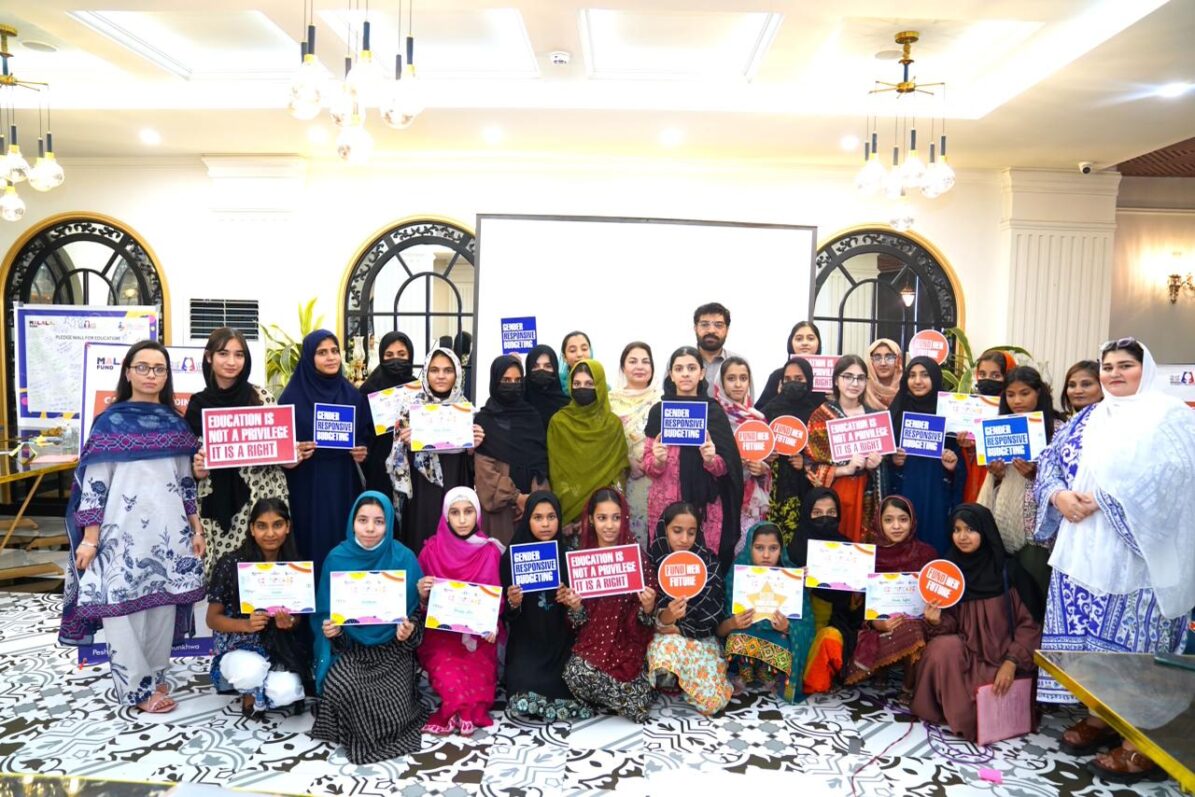
PESHAWAR: Girls from various government schools across Khyber Pakhtunkhwa gathered in Peshawar today for a leadership and advocacy workshop to help them become stronger voices for girls’ education in their communities.
The training was organized by Blue Veins with the support of Malala Fund and focused on building girls’ confidence, communication skills, leadership abilities, and understanding of education rights.
For many participants, the workshop became a space where they could openly discuss the barriers girls continue to face in accessing education, including gender discrimination, social exclusion, unsafe environments, and limited opportunities in their communities.
Through interactive activities, group discussions, and role plays, participants explored how girls can advocate for change within schools and communities. Exercises such as the “Privilege Walk” and “Dream School” encouraged the girls to reflect on unequal opportunities and imagine safe, inclusive, and supportive schools for every child.
A session on girls’ education in KP allowed participants to engage with the realities of enrollment, dropout rates, and learning challenges affecting girls across different districts. The workshop also introduced participants to education budgeting and public financing processes, helping them understand why investment in girls’ education matters.
“I always believed leadership was for others, not for girls like me,” said Eman Bibi, a Class 9 student from a government school in District Nowshera. “This training changed my thinking. It helped me believe that I can become a leader and raise my voice not only for myself but for other girls who are unable to speak about their education problems. I now feel confident that our voices can create change.
Speaking about the importance of creating platforms for girls, Yumna Aftab, Program Officer, Blue Veins, said, “Child-led advocacy is extremely important because girls understand their own challenges and realities. When we give girls voice, agency, and leadership opportunities, they become advocates not only for themselves but for many others in their communities. Empowering girls to participate in conversations around education is essential for achieving meaningful and lasting change.
The workshop concluded with participants sharing their experiences, ideas, and commitments to continue advocating for girls’ right to education in their respective areas. Certificates were distributed among the participants at the end of the session.
