
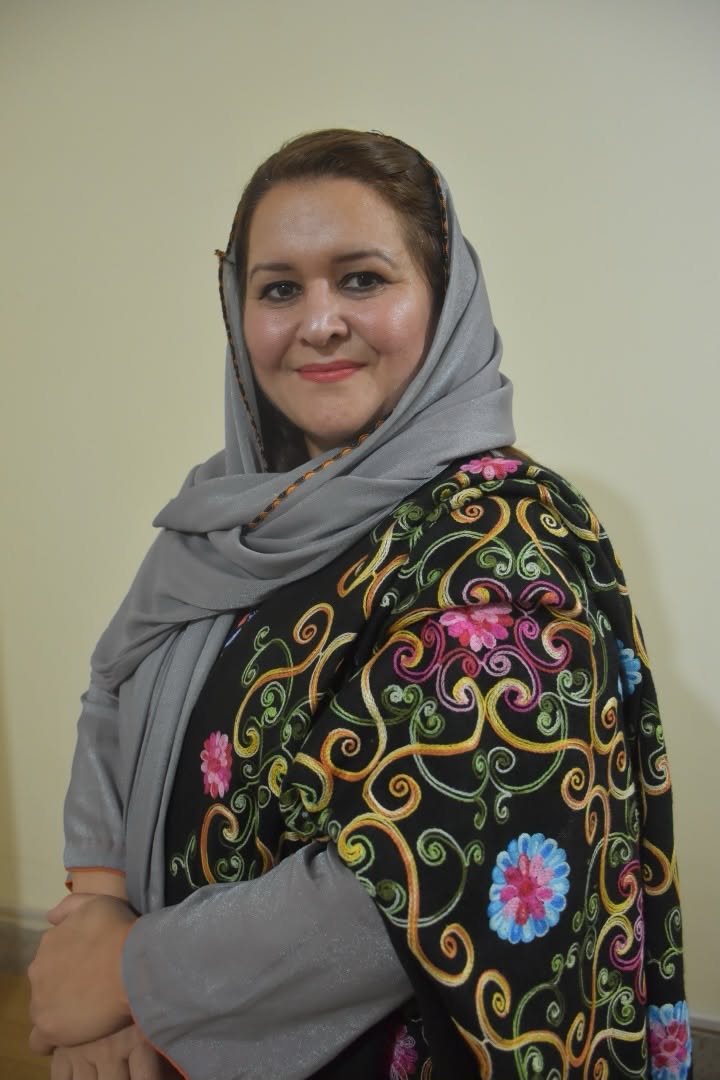
By Zuhra Luqman
Khyber Pakhtunkhwa’s efforts to modernize its transport sector have significantly improved mobility, but experts argue that true progress requires transport systems that are safe, accessible, and responsive to the needs of women and vulnerable groups.
Speaking on the importance of gender-responsive transport, development practitioners and gender specialists said transport is not merely about moving people from one place to another; it is a gateway to education, healthcare, employment, and social participation. They noted that women often face unique mobility challenges due to caregiving responsibilities, social norms, and concerns about safety and harassment.
While initiatives such as the Peshawar Bus Rapid Transit (BRT) system have introduced measures to improve women’s travel experiences, they emphasized that infrastructure alone is not enough. They stressed the need for stronger policies, institutional safeguards, and accountability mechanisms to prevent sexual exploitation, abuse, and harassment within transport systems.
According to them, transport personnel, including drivers, conductors, and security staff, should receive regular training on professional conduct and gender sensitivity. They also called for confidential and survivor-centered complaint mechanisms linked to support services such as legal aid, healthcare, and psychosocial assistance.
Simple measures such as well-lit bus stops, CCTV surveillance, emergency helplines, and secure pedestrian access can significantly enhance public safety. It further advocates for greater participation of women in transport planning and decision-making, as well as increased representation of women in the transport workforce. There is a need of transport systems designed to meet women’s needs ultimately benefit all citizens, including children, older persons, and persons with disabilities. Similarly the success of transport projects should be measured not only by efficiency and coverage but also by safety, accessibility, and inclusion.
“As KP continues to invest in infrastructure and urban development, building gender-responsive transport systems must remain a priority. Safe mobility is essential for economic growth, social progress, and equitable development.
“When women move freely, communities prosper. Building safer and more inclusive transport systems is not just a gender issue—it is a development imperative.”
