
By Imran Yousafzai
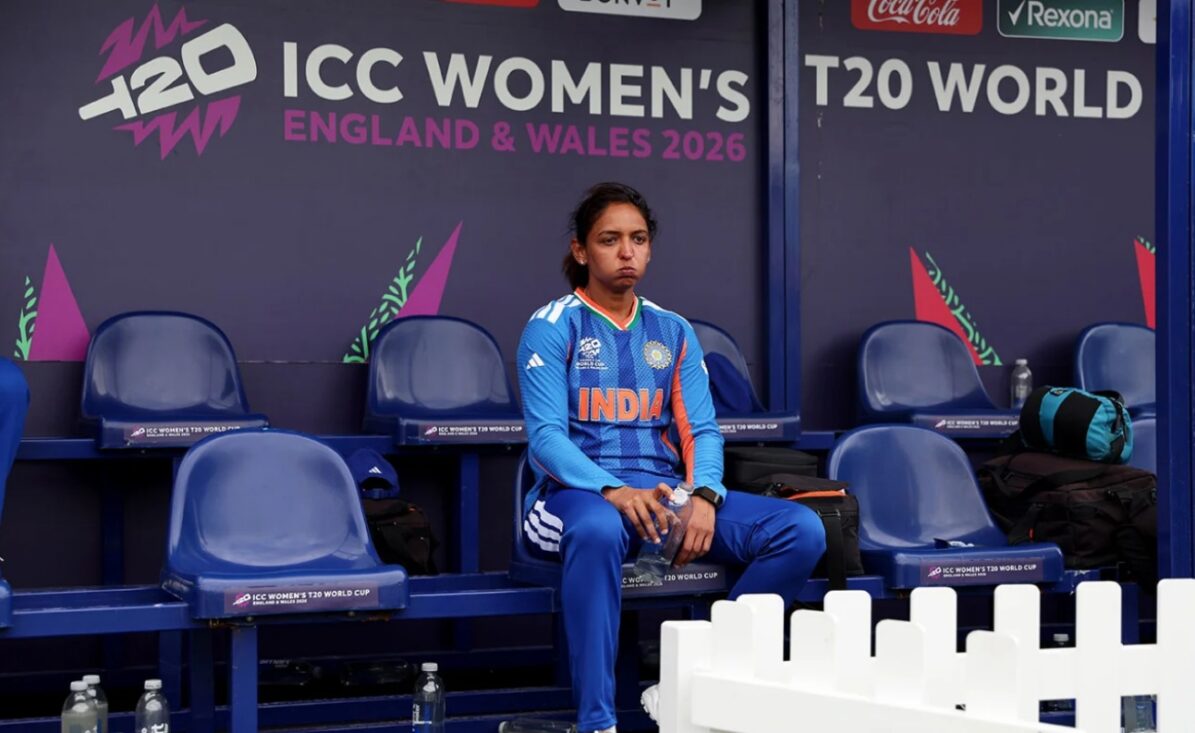
Indian cricket endured one of its most disappointing days in recent memory as both the men’s and women’s national teams suffered major setbacks within hours of each other, exposing concerns over consistency, preparation and the future direction of one of the game’s biggest powerhouses.
Australia ended India’s Women’s T20 World Cup campaign with a commanding victory, while Ireland completed a stunning 2-0 T20I series whitewash over the men’s team — a result few would have imagined before the tour began.
Australia’s dominance continues in women’s cricket
India’s hopes of reaching the Women’s T20 World Cup semi-finals came to an abrupt end after another defeat at the hands of Australia, a team that continues to set the benchmark in global women’s cricket.
Playing at the historic Lord’s Cricket Ground, India posted an imposing total of 170 for 4 after being asked to bat first. Captain Harmanpreet Kaur led from the front with a blistering 56 off just 27 deliveries, while Smriti Mandhana (38) and Shafali Verma (34) laid a solid platform.
However, Australia once again demonstrated why they remain the most formidable side in major ICC tournaments. Ellyse Perry anchored the chase with a composed 56 before Ashleigh Gardner finished the job with an unbeaten 53, guiding Australia to victory with an over to spare.
The win secured Australia’s place in the semi-finals and eliminated India from the tournament. Australia will now face South Africa in the first semi-final, with the opportunity to move one step closer to a record-extending seventh Women’s T20 World Cup title.
For India, the defeat was another painful reminder of the gulf that still exists between them and Australia’s remarkable ability to deliver under pressure on the biggest stage.
Ireland script history against India’s men
While the women’s team was bowing out of the World Cup, India’s men’s side suffered an equally damaging blow in Ireland.
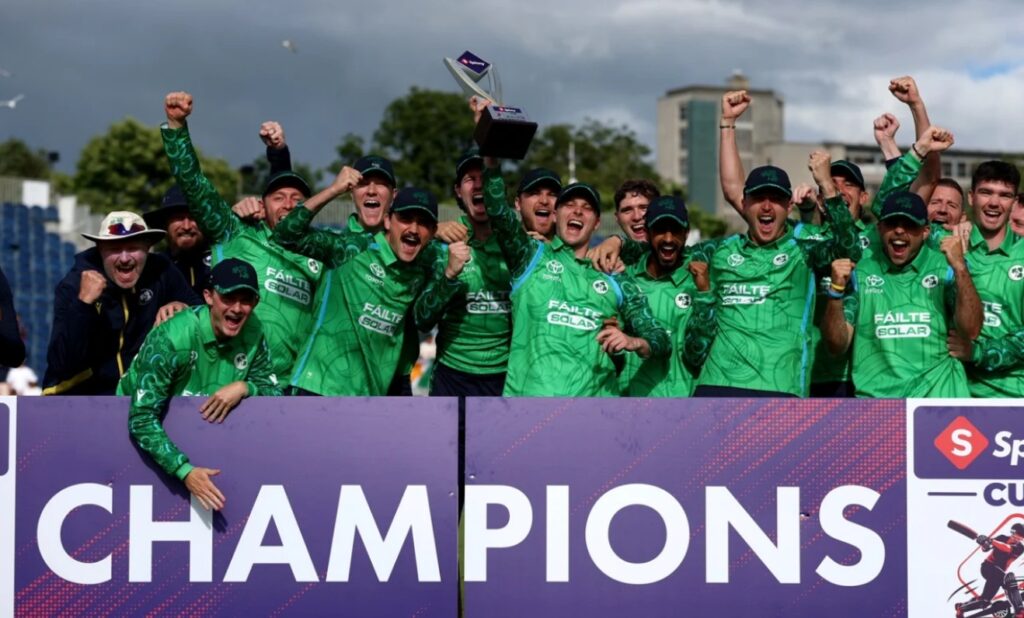
Despite fielding a full-strength squad, the reigning T20 world champions were swept 2-0 in the two-match series, handing Ireland the most significant T20I triumph in their cricketing history.
In the opening match, Ireland appeared to be in serious trouble after slumping to 51 for 4. With six first-choice players unavailable through injury, few expected the hosts to recover.
Instead, captain Lorcan Tucker, Gareth Delany and George Dockrell produced a remarkable fightback, lifting Ireland to a competitive 182.
India’s chase never gained sustained momentum. Despite a promising start during the powerplay, wickets fell at regular intervals as the visitors were eventually dismissed for 148.
The standout performer was India-born fast bowler Jay Mondra, who enjoyed a dream international debut by dismissing Sanju Samson with the very first ball of his career. Young pacer Matthew Hilliard also delivered an impressive spell to put India firmly on the back foot.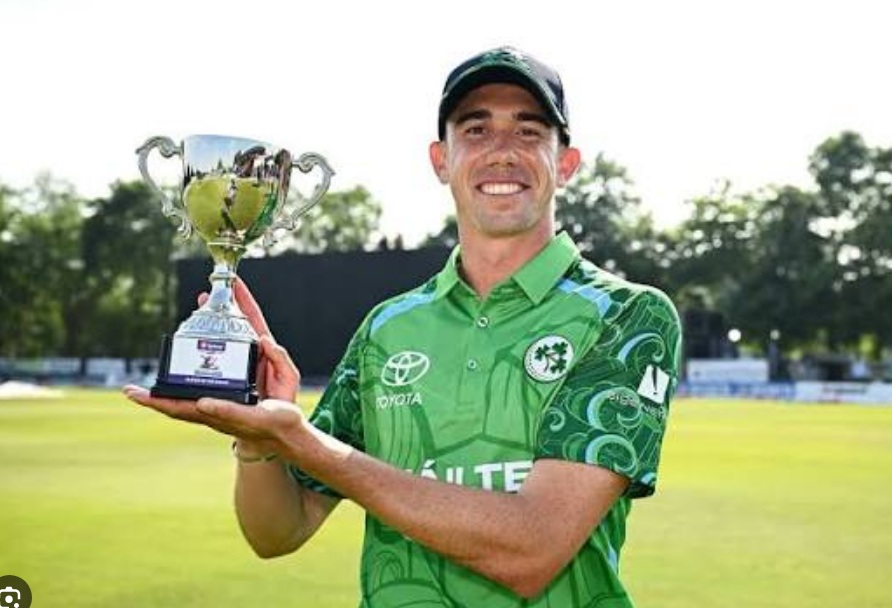
The second T20I offered India an opportunity to level the series, but the outcome was even more painful.
Harry Tector and Ben Calitz guided Ireland to 154 before the hosts held their nerve in a thrilling finish, winning by a solitary run to complete a historic clean sweep.
It marked the first time Ireland had whitewashed India in a T20I series, adding another landmark achievement to Irish cricket’s growing list of memorable victories.
Bigger questions for Indian cricket
The twin defeats have inevitably triggered difficult questions for Indian cricket.
The women’s team once again fell short against Australia in a high-pressure global tournament, while the men’s side failed to overcome an Irish team depleted by injuries and missing several key players.
More broadly, the results underline how rapidly international cricket is evolving. The gap between traditional powerhouses and emerging nations continues to narrow, and no opponent can be underestimated.
Following famous victories over Pakistan at the 2007 World Cup and England at the 2011 ODI World Cup, Ireland have now added a T20I series whitewash over India to one of the most remarkable chapters in their cricketing journey.
The results also reinforce a timeless truth about modern cricket: reputation, financial strength and historical success alone do not guarantee victory. Commitment, tactical discipline, collective belief and composure under pressure remain the defining ingredients of success.
Despite limited resources and significant injury concerns, Ireland demonstrated that determination and fearless cricket can overcome even the world’s strongest teams.
Attention will now turn to how the Board of Control for Cricket in India (BCCI) responds. Will these setbacks prompt a serious reassessment of strategy and team planning, or will they prove to be nothing more than a temporary stumble?
Whatever the answer, this was undoubtedly a day Indian cricket would rather forget — and one that Ireland will remember for generations.
