
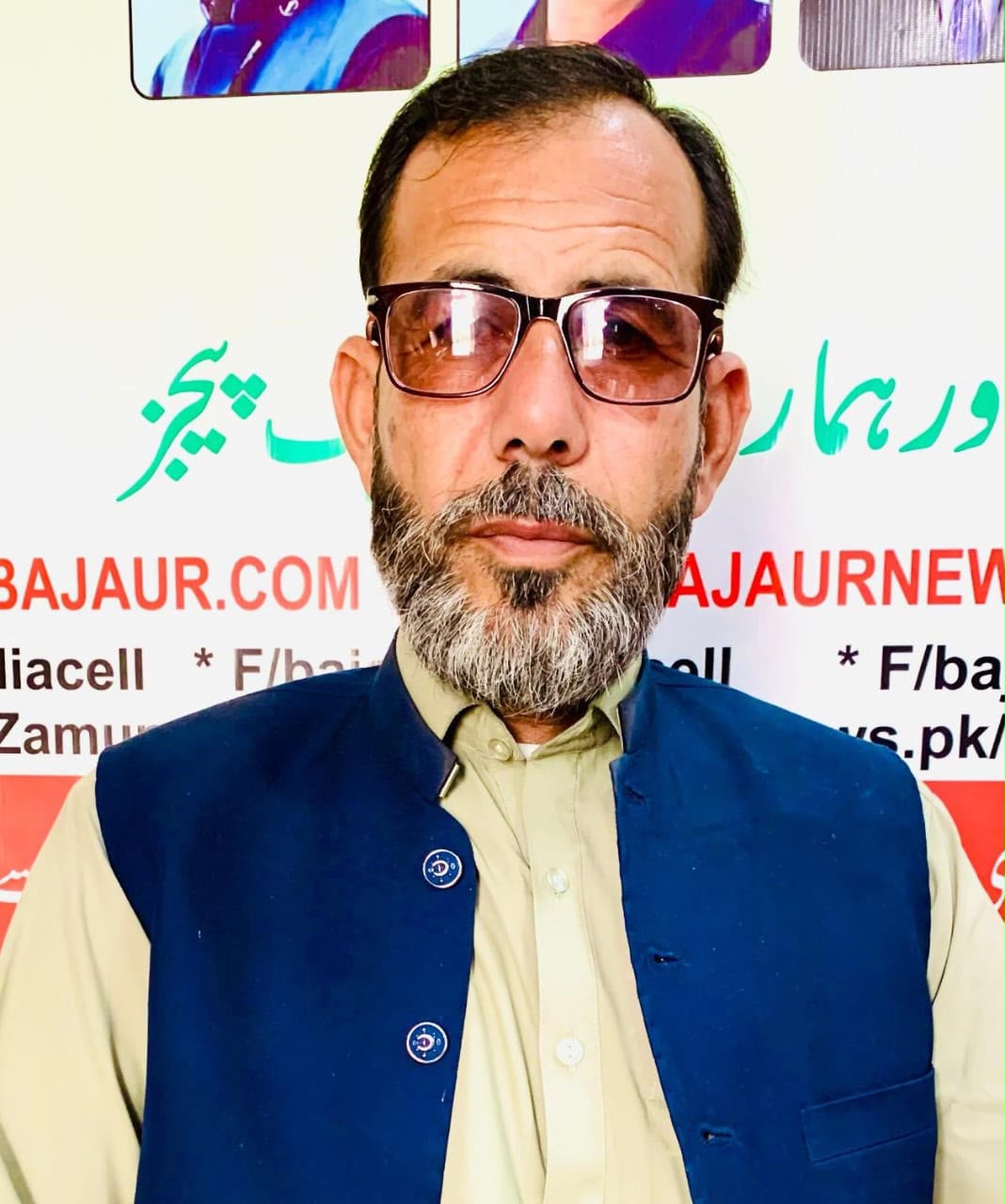
Anwar Zada Gulyar
Bajaur: The newly introduced wallet system under the Benazir Income Support Programme (BISP) has reportedly increased difficulties for deserving women instead of making the payment process easier, particularly affecting women from rural and remote areas who are facing unnecessary hardships, mental stress and inconvenience.
According to affected women and members of the public, beneficiaries were provided SIM cards of various mobile networks under the new system and were informed that these SIMs had been linked and approved for the Benazir Income Support Programme. However, after some time, many of these SIM cards became inactive or lost their connection with the system, leaving thousands of women struggling to access their financial assistance.
Residents said that in order to obtain the new SIM cards, complete biometric verification and fulfill other formalities, women had to make repeated visits to mobile franchises, service centres and registration points, spend hours waiting in long queues and bear additional travel and other expenses. Despite all these efforts, the promised convenience could not be achieved. According to them, the complexities of the current wallet system have multiplied the difficulties faced by women living in remote villages where access to urban centres and service points is already limited.
Affected women stated that they had already gone through significant difficulties in obtaining the required SIM cards from different franchises and centres, but after completing the process, the subsequent deactivation of these SIMs pushed them back into uncertainty and hardship. They believe that instead of simplifying the disbursement of financial assistance, the new mechanism has made the process more complicated.
Public and social circles have urged the government and relevant authorities to review the new wallet system and introduce a simple, transparent and effective mechanism through which deserving women can receive their financial assistance with dignity and without unnecessary expenses, long waiting times or repeated visits to offices and service centres. Citizens argue that if the current system continues to create difficulties for beneficiaries, the previous and comparatively easier payment mechanism should be restored.
Members of the public further emphasized that the formulation of welfare policies and assistance programmes should involve those officials and personnel who work in the field and are fully aware of the challenges and ground realities faced by beneficiaries on a daily basis.
According to citizens, policies and procedures are often designed in central offices and major cities, while the practical difficulties and realities of people living in remote and rural areas are not adequately reflected in these decisions. They argued that policies prepared in offices in Islamabad and behind closed doors may not fully capture the hardships faced by women living hundreds of miles away in rural communities, who are often required to make repeated trips to centres and franchises merely to verify a SIM card or receive their financial assistance.
Public circles maintained that policy-making should not rely solely on decisions taken at the central level, but should also involve officials and staff working on the ground who are directly familiar with the technical issues and practical challenges faced by beneficiaries. Field workers, they argued, not only understand these problems better but are also in a position to suggest practical and effective solutions.
Citizens have called for the experiences and recommendations of field staff and frontline officials to be incorporated into the policy-making process of BISP so that future systems genuinely serve as a source of convenience and facilitation for deserving women rather than creating additional obstacles and difficulties.
According to public opinion, facilitating women in rural areas is one of the fundamental objectives of social welfare programmes, and if a newly introduced system creates hardship instead of ease, it requires immediate review and reconsideration.
