
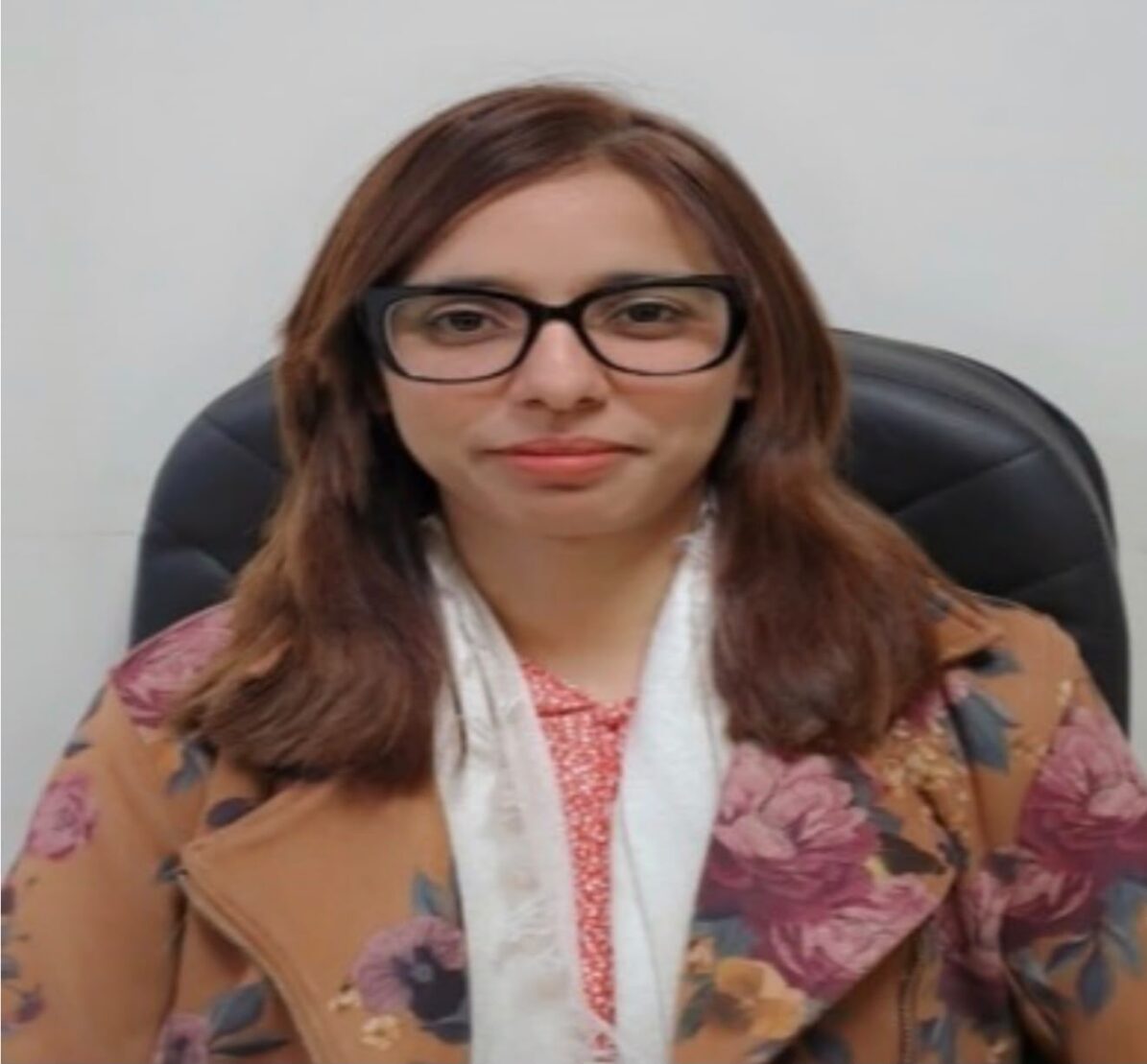
By: Madiha Yousaf
Pakistan’s young people are more connected than ever before. Smartphones, social media, online learning platforms, digital payments and artificial intelligence are part of the daily lives of millions of students and young professionals. Yet access to technology alone does not guarantee meaningful participation in the digital world. The real challenge is to ensure that young people understand their rights, their responsibilities, and the risks they carry online.
Digital citizenship means more than knowing how to use a phone or a social platform. It means participating online with awareness of privacy, security, freedom of expression, personal responsibility and respect for others, and it means knowing how to protect personal information, identify misleading content, and make informed choices about what we share. This is increasingly important in Pakistan, where young people spend a growing share of their time on digital platforms for education, work, entertainment and civic engagement.
Young people routinely hand over personal information without fully understanding how it may be collected, stored or used. Many applications request access to contacts, cameras, microphones, photographs and locations, and social media platforms invite users to share details about their education, workplace, family and routine. Such information can leave a permanent digital footprint, and a photograph or comment shared today can resurface years later, often misused for harassment, fraud or impersonation. Women in particular face online risks that rarely enter the mainstream conversation. A 2025 peer-reviewed study of Pakistani feminist activists, names five recurring forms of harassment, from coordinated trolling to real-world threats, and traces them to anxiety, self-censorship and derailed careers. The pattern follows young women into their first professional roles online.
Digital rights education must therefore become part of how Pakistan prepares young people for modern citizenship. The most cited organizing framework in this field is Mike Ribble’s nine-dimension model in Digital Citizenship in Schools, which structures digital citizenship around access, communication, literacy, etiquette, law, rights and responsibilities, health and wellness, commerce, and security. Building on that model, this article puts forward the Digital Voices training framework for Pakistani universities, foregrounding five of those dimensions: privacy, data protection, digital security, responsible social media use, and digital footprints. These are everyday concerns, not topics reserved for specialists. Strong passwords, two-factor authentication, careful review of app permissions, and a pause before uploading identity documents can substantially reduce risk.
Digital rights extend well beyond privacy. Freedom of expression is central to digital citizenship, and online platforms have given young Pakistanis new ways to discuss public issues, share ideas and engage in civic debate. At the same time, those freedoms meet boundaries, and those boundaries are being rewritten in law. Pakistan’s Prevention of Electronic Crimes Act of 2016 set out to address online harassment, fraud and digital security. The 2025 amendments expanded the state’s reach over online content, introduced penalties for content the state defines as false information, and established new tribunals. A 2025 peer-reviewed constitutional analysis warns that the new language is broad enough to sweep up ordinary speech and press freedom under the same net meant to deter disinformation. For young people, the lesson is direct. Responsible digital citizenship means criticism that does not become personal abuse, disagreement that does not turn into harassment, and sharing that does not mistake rumor for fact. It also means recognizing that the law sets the terms of this balance, and that those terms remain contested in courtrooms and in the country’s wider constitutional conversation.
Another major concern is digital inclusion. Young Pakistanis do not participate in the digital world on equal terms, and women face layered constraints. A 2025 peer-reviewed study of digital access and women’s work in Pakistan, drawing on in-depth interviews with approximately 250 women across socioeconomic and professional backgrounds, identified those constraints as financial and time pressure, weak trust in platforms, privacy concerns, gendered power dynamics, and inadequate structural support. Women navigate online spaces by routinising risk, leaning on informal networks and limiting what they share, and they face distinctive risks including harassment, unwanted contact and misuse of photographs. Availability is not the same as inclusion. A digital society cannot be considered inclusive simply because internet services are available.
This has direct implications for universities, public institutions and civil society. Pakistan must move beyond measuring digital development through connectivity alone and ask whether citizens have the knowledge, confidence and protection to participate safely and meaningfully. Universities can play a particularly important role by integrating digital citizenship into student orientation, academic programmes and extracurricular activities, with practical guidance on privacy, cybersecurity, responsible social media use, misinformation, artificial intelligence and digital rights.
This does not require a separate degree. Short modules, practical exercises, campus workshops and student-led initiatives can bring digital citizenship into university life. Public institutions also have a role to play, and digital transformation policy should place greater emphasis on citizens’ rights, digital literacy, data protection, and accessible mechanisms for reporting online harm.
Pakistan’s young population represents one of its greatest opportunities, but being young and connected does not automatically mean digital empowerment. Access is only the first step. Meaningful digital citizenship begins when young people understand their rights, protect themselves and others, question the information they encounter, and use digital tools responsibly to participate in society.
Pakistan’s digital future should therefore be measured not only by how many citizens are online, but by how safely, confidently and responsibly they can participate.
Madiha Yousaf is a Lecturer at the Faculty of Social Sciences, Hamdard University Islamabad, with an academic background in English Linguistics and Literature. Her teaching and research interests focus on literature, language, cultural narratives, and the role of literary scholarship in understanding contemporary society.
