
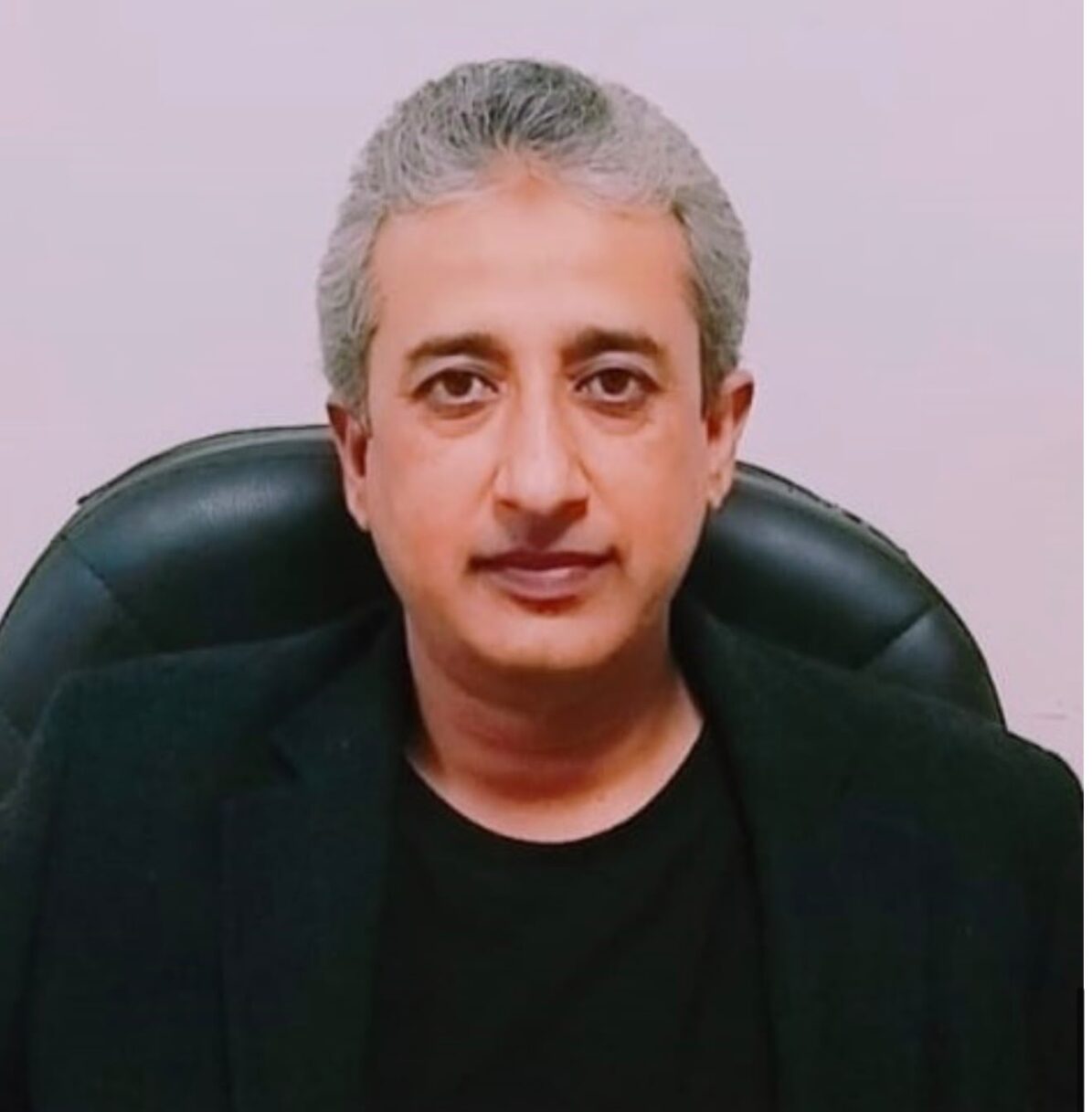
By: Dr. Ansar Abbas
Pakistan is becoming more digital every day. Smartphones, social media, online banking, artificial intelligence and digital government services are changing how people communicate, study, work and participate in public life.
For young Pakistanis especially, the internet is no longer a separate space. It is part of everyday life. This information is not only unique to Pakistan, but billions of people around the world rely on social media for networking, education, and public engagement. Thus, the current challenge is not connectivity but how responsibly technology is used.
But there is an important difference between being a digital user and being a digital citizen.
A digital user knows how to open an app, share a video, forward a WhatsApp message or use an AI tool. A digital citizen goes further to contribute positively to society by not believing information blindly, respecting others’ privacy, and using technology responsibly. They understand their rights and responsibilities, question information before sharing it, protect their privacy, use technology ethically and participate constructively in society.
The global discussion is regarding the responsible use of technology. The problem is more complex in Pakistan because even if sufficient numbers of people are connected, it will depend on how they use their connection.
Therefore, Pakistan’s digital future will depend not only on how many people are connected, but on how responsibly they use that connection.
One of the biggest challenges is misinformation. Social media platforms have become easily accessible sources of information, often without verification, for audiences from around the world.
For many young people, social media is now a major source of news. Information travels quickly through Facebook, TikTok, YouTube and WhatsApp. Unfortunately, false or misleading information can travel just as quickly.
An edited video, a misleading headline, or an unverified message may reach thousands of people before anyone asks whether it is accurate.
This can create confusion, damage reputations and deepen social and political divisions. The solution cannot be only tighter controls over online discussion. Pakistan also needs citizens who are able to judge information critically.
Media literacy should therefore become a basic civic skill.
Students should learn how to identify the original source of a claim, compare information from different sources, recognize manipulated content and distinguish facts from opinions. Before sharing something online, they should develop the habit of asking a simple question: Is this information verified?
Digital rights are equally important.
Billions of people exchange personal information every single day. Young people may give their CNIC numbers, addresses, and photos without being aware of the dangers in Pakistan. Social media apps sometimes require access to your contacts, camera, and location; on the other hand, social media profiles can reveal education, employment, and family information.
There is a need for awareness of privacy and digital footprints when it comes to digital citizenship. It should become standard education to use strong passwords, two-factor authentication, and to set up appropriate permissions. Digital citizenship requires awareness of privacy and digital footprints. Strong passwords, twofactor authentication, and careful permission settings must become basic education.
Artificial intelligence presents another major challenge.
AI tools are already being used in universities and workplaces across Pakistan. Students use them to generate ideas, summarize readings and prepare assignments. Professionals use them to draft reports and analyze information.
Trying to stop the use of AI completely is unrealistic. The more important question is how to use it responsibly.
AI can produce useful information, but it can also generate incorrect facts, invented references or biased responses. A confident answer from an AI system is not automatically a correct answer.
Young people must therefore learn to verify AI-generated information rather than accept it without question. Universities should also develop clear policies that encourage responsible use while protecting academic integrity and personal data.
Transparency is another area where digital citizenship can make a difference.
Pakistan has Right to Information laws that allow citizens to request information from public institutions. Yet many university students complete their education without ever learning how to file an RTI request.
This is a missed opportunity.
Civic participation should not be limited to criticism on social media. Young people should know how to approach institutions, request public information and use evidence to understand government decisions.
The Digital Voices initiative, for example, was designed to introduce young people to digital rights, misinformation, RTI, responsible AI, online safety and civic leadership as connected areas of democratic participation.
Digital inclusion also needs greater attention.
Not everyone experiences the online world equally. Women and girls may face harassment, unwanted contact, threats, misuse of photographs and other forms of digital abuse. Such experiences can discourage them from participating in public discussions online.
The digital divide is therefore not only about internet access. It is also about safety, confidence and meaningful participation.
An online platform cannot be considered inclusive simply because everyone technically has access to it. Participation must also consider language, connectivity, privacy, safety and whether people feel comfortable expressing themselves. The project’s civic toolkit similarly emphasizes that meaningful digital inclusion requires attention to access, dignity, security and voice.
The larger challenge is to turn digital awareness into civic action.
Pakistan has a young population that is already active online. Young people discuss politics, social issues, education and public services every day. But much of this participation remains informal and disconnected from institutions.
Universities can help change this.
Students should be encouraged to identify community problems, gather evidence, engage public institutions, use RTI mechanisms, conduct responsible digital campaigns and develop practical civic solutions.
The goal should not simply be to create more social media users. It should be to develop young people who can think critically, participate responsibly and engage institutions with evidence.
Pakistan often measures digital progress through internet penetration, technology adoption and online services. These indicators matter, but they tell only part of the story.
The more important questions are whether citizens can recognize misinformation, protect their personal data, use AI responsibly, exercise their right to information and participate online without fear.
Pakistan does not merely need more people connected to the internet.
It needs informed, responsible and confident digital citizens.
That is what will determine whether digital transformation strengthens democracy or simply makes society more connected.
Dr. Ansar Abbas is Associate Dean, Faculty of Management Sciences, Hamdard University Islamabad. He is actively involved in initiatives that promote digital literacy, ethical use of artificial intelligence, and meaningful youth participation in Pakistan’s evolving digital society.
