
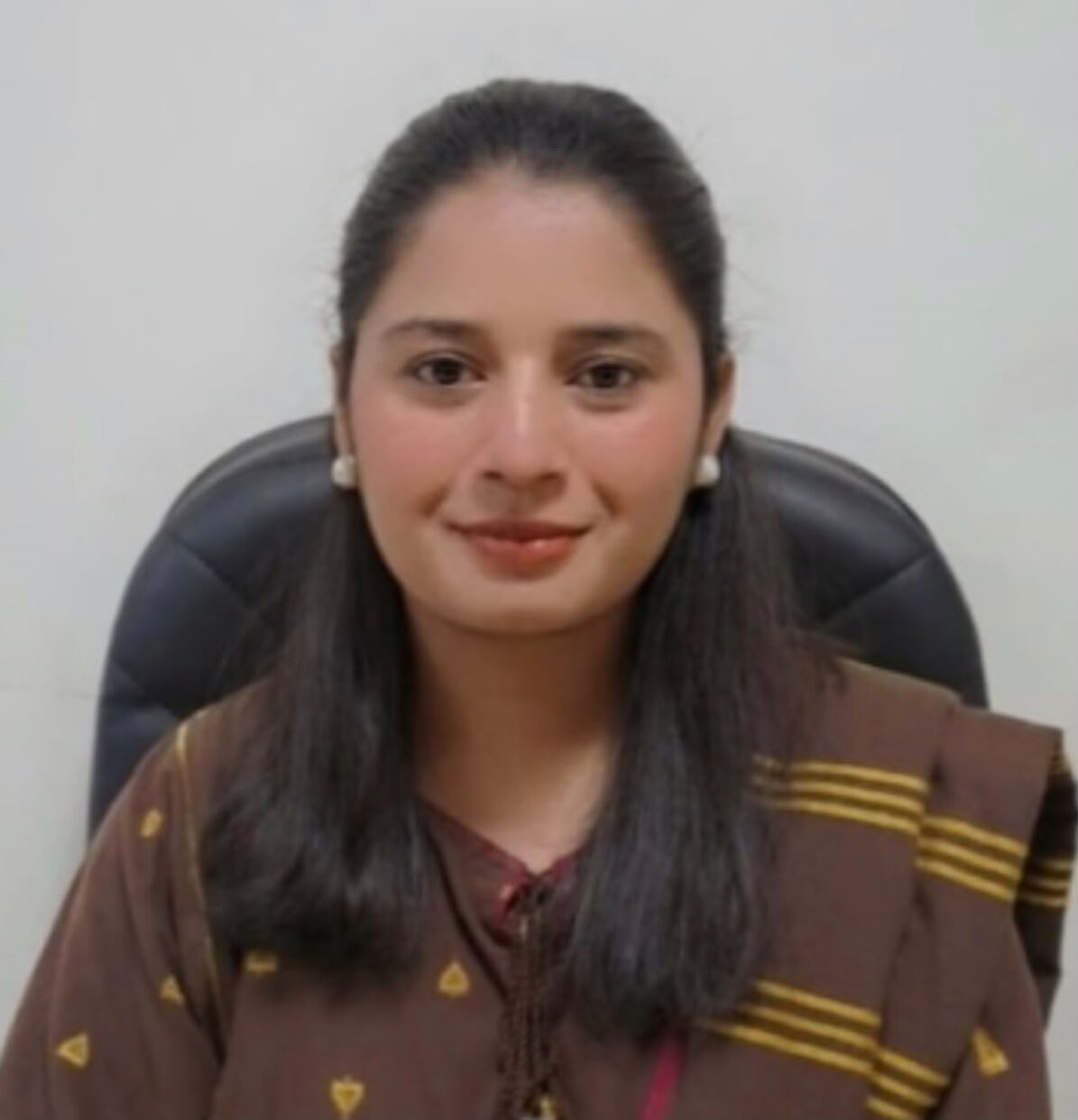
By: Quraba Tul Naseem
Every day, millions of Pakistanis wake up to a flood of information on their phones. A WhatsApp message arrives from a relative, a dramatic video appears on TikTok, a political claim spreads on Facebook, and a headline is shared across Instagram before anyone has had time to ask a simple question: Is it true?
Young people are at the center of this rapidly changing information environment. They are among the most active users of digital platforms, consuming news and entertainment while also commenting, creating content and sharing information with others.
This unprecedented access has created enormous opportunities for learning and participation. But it has also created a serious challenge: misinformation.
False information is not always easy to recognize. Sometimes it appears as a misleading headline, an edited photograph, an old video presented as a new event or a quotation wrongly attributed to a public figure. In other cases, incomplete information is shared without context and gradually becomes accepted as fact. New artificial intelligence tools have made the problem even more complicated because realistic images, audio and written content can now be produced quickly and circulated widely.
Young people are particularly important in this discussion because they are among the most active users of digital platforms. They are not only consuming information but also sharing, commenting on and creating it. This means they can either become part of the misinformation problem or an important part of the solution.
The answer lies in strengthening media and information literacy.
Media literacy is not about telling people what to believe. It is about giving them the skills to evaluate information independently. A media-literate person asks where information came from, who produced it, what evidence supports it and whether another reliable source confirms the same claim. These basic questions can significantly reduce the likelihood of false or misleading information being passed from one person to another.
The Digital Voices training curriculum places information verification and media literacy among the key competencies required for responsible digital participation. Participants are encouraged to distinguish misinformation from disinformation, use fact-checking techniques, verify sources and practice responsible information sharing. This approach is important because the most effective response to misinformation is not simply removing questionable content after it spreads. Citizens also need the ability to recognize the weak information before sharing it.
A simple change in online behavior can have a significant impact. Before forwarding a WhatsApp message, students should check whether it comes from a reliable source. Before reacting to a dramatic video, they should look for its original date and context. Before sharing a statistic, they should ask where the number came from. If a headline is designed to provoke anger or fear, readers should examine it more carefully.
Universities have an important responsibility in building these habits. Media literacy should no longer be treated as a specialized subject only for journalism or communication students. It is becoming a basic skill for everyone. Students of business, medicine, engineering, law and social sciences all operate in an environment where their academic, professional and civic decisions are influenced by digital information.
Short media-literacy modules can be included in university orientation programs and general education courses. Students can be given practical exercises involving source verification, comparison of news reports, identification of manipulated content and analysis of social-media claims. Campus societies can also organize fact-checking activities and awareness campaigns that encourage responsible sharing.
Journalists and media organizations also have a role to play. Traditional media remain important sources of verified information, but news organizations must communicate in formats that young audiences actually use. Clear explainers, short fact-checking videos and accessible digital content can help reliable information compete in an environment dominated by speed and attention.
At the same time, government institutions can reduce misinformation by communicating more openly and quickly. An information vacuum creates space for rumors. When official information is delayed, unclear or difficult to access, people turn to unofficial sources. Timely public communication and proactive disclosure can therefore become important tools for strengthening information integrity.
However, fighting misinformation should not become an excuse to weaken legitimate debate or criticism. A healthy information ecosystem depends on both accuracy and freedom of expression. The goal should be to build citizens who can question information, compare evidence, and form their own conclusions rather than creating an environment where only one interpretation is permitted.
The larger challenge is cultural. Social media rewards speed. Media literacy requires patience. Digital platforms encourage instant reaction, while responsible citizenship requires reflection.
Pakistan must therefore encourage a simple principle among its young people: pause, verify and then share.
Building a resilient information ecosystem will not happen through regulation alone. It requires universities that teach critical thinking, media organizations that invest in credible information, institutions that communicate transparently and young citizens who recognize that every click, comment and forward carries responsibility.
In the digital age, misinformation can travel quickly. But a society equipped to question, verify and think critically can be stronger than the rumors circulating through its screens.
Quraba tul Naseem is a Lecturer in the Department of English, Faculty of Social Sciences, Hamdard University Islamabad, with an academic background in English Linguistics and Literature. Her teaching and research interests focus on language studies, linguistics, critical thinking, and the interdisciplinary relationship between language, culture, and society.
