

By: Siraj Bhaagat
THATTA: A special programme titled “Natural Heritage Conservation through Youth Engagement” was held at Haleji Lake, with a focus on wildlife conservation, environmental protection and preservation of the region’s natural heritage.
The programme was organised by the Thatta district administration in collaboration with the Wildlife Department, Government of Sindh, SZABIST University Gharo Campus and other stakeholders. Students and faculty members from various public and private educational institutions, including SZABIST University Gharo Campus and Sindh University Thatta Campus, along with environmental activists, participated in the event.
Officials from the health, education, revenue, forest, local government, culture and tourism, police, Rescue 1122 and sports departments, besides representatives of civil society and the media, also attended the programme.
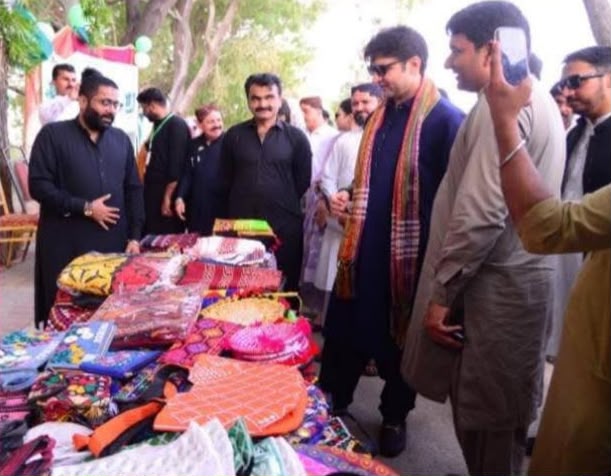
Various awareness, information and cultural stalls were established by organizations and NGOs to educate participants about wildlife, environmental protection, natural resources and the ecological and historical importance of Haleji Lake Thatta.
A lake with A Rich History
Haleji Lake located in Thatta district, is one of Sindh’s important wetlands and has long been associated with the region’s water, wildlife and cultural landscape. The lake was developed and improved as a freshwater reservoir during the British period, particularly to provide a reliable water source for Karachi. Over the decades, however, its importance has extended beyond water supply, as it emerged as one of the most significant wetland habitats for birds and other wildlife in Sindh.
The lake gained international recognition when it was designated a Ramsar Wetland of International Importance in 1976, acknowledging its ecological significance. Its wetlands, shallow waters, reed beds and surrounding vegetation provide important feeding, resting and breeding habitats for a wide range of water birds.
Haleji is particularly important during the winter months when migratory birds arrive from colder regions of Central Asia, Siberia and other parts of Eurasia along international migration routes. The lake provides these birds with food, shelter and a resting place during their long journeys. Flamingos, pelicans, ducks, geese, herons, egrets, coots and other water birds have historically been associated with the wetland.
The presence of migratory birds makes Haleji Lake not only a valuable wildlife habitat but also an important ecological indicator. Changes in water availability, pollution, habitat degradation and human disturbance can directly affect bird populations and the overall health of the wetland ecosystem.
Addressing the gathering, Deputy Commissioner Thatta Sarmad Ali Bhaagat described Haleji Lake as an important part of Thatta’s identity and a precious natural heritage of Sindh. He said the lake was significant not only because of its scenic beauty but also due to its historical and environmental importance.
“Haleji Lake is a beautiful gift of nature and a habitat for a variety of birds and wildlife. Protecting this natural environment is our collective responsibility,” he said.
Additional Deputy Commissioner-I Imran Ul Haq stressed the need to introduce the importance of Haleji Lake to the younger generation and promote the site at national and international levels. He urged young people to actively participate in protecting and promoting the province’s historical, natural and cultural heritage.
Chief Conservator Wildlife Javed Ali Mahar, Head of SZABIST University Gharo Campus Dr Vijay Kumar, Pro-Vice Chancellor Sindh University Thatta Campus Misbah Qureshi, and Additional Director Social Welfare Khuda Bakhsh Behrani also addressed the participants.
The speakers highlighted the importance of conserving Haleji Lake’s ecosystem, protecting its wildlife, improving environmental conditions and engaging young people in meaningful conservation initiatives.
SZABIST students presented various performances during the programme, while local folk artists entertained the audience with traditional melodies, adding a cultural dimension to the event.

The deputy commissioner urged students, content creators and visitors to explore Haleji Lake and promote its scenic beauty, wildlife and historical significance through responsible digital content.
He said effective measures would be taken in collaboration with the Culture and Wildlife Department to address issues relating to Haleji Lake, improve cleanliness and maintain and restore its natural beauty.
The speakers emphasized that the lake’s status as a Ramsar site places greater responsibility on all stakeholders to protect its ecological character. They stressed that the conservation of Haleji Lake requires collective efforts from government departments, educational institutions, civil society, local communities and visitors.
As a major stopover and wintering habitat for migratory birds, the protection of Haleji Lake is also important for maintaining regional biodiversity. Conservation of its water resources and natural habitats can help ensure that the wetland continues to support migratory birds and local wildlife for generations to come.
“We have to protect our valuable natural, historical and cultural sites and introduce their identity to the world. This is our heritage and it is our collective duty to own it, protect it and pass it on to future generations in a preserved condition,” the deputy commissioner said.
