
By: FAZLI HAQ
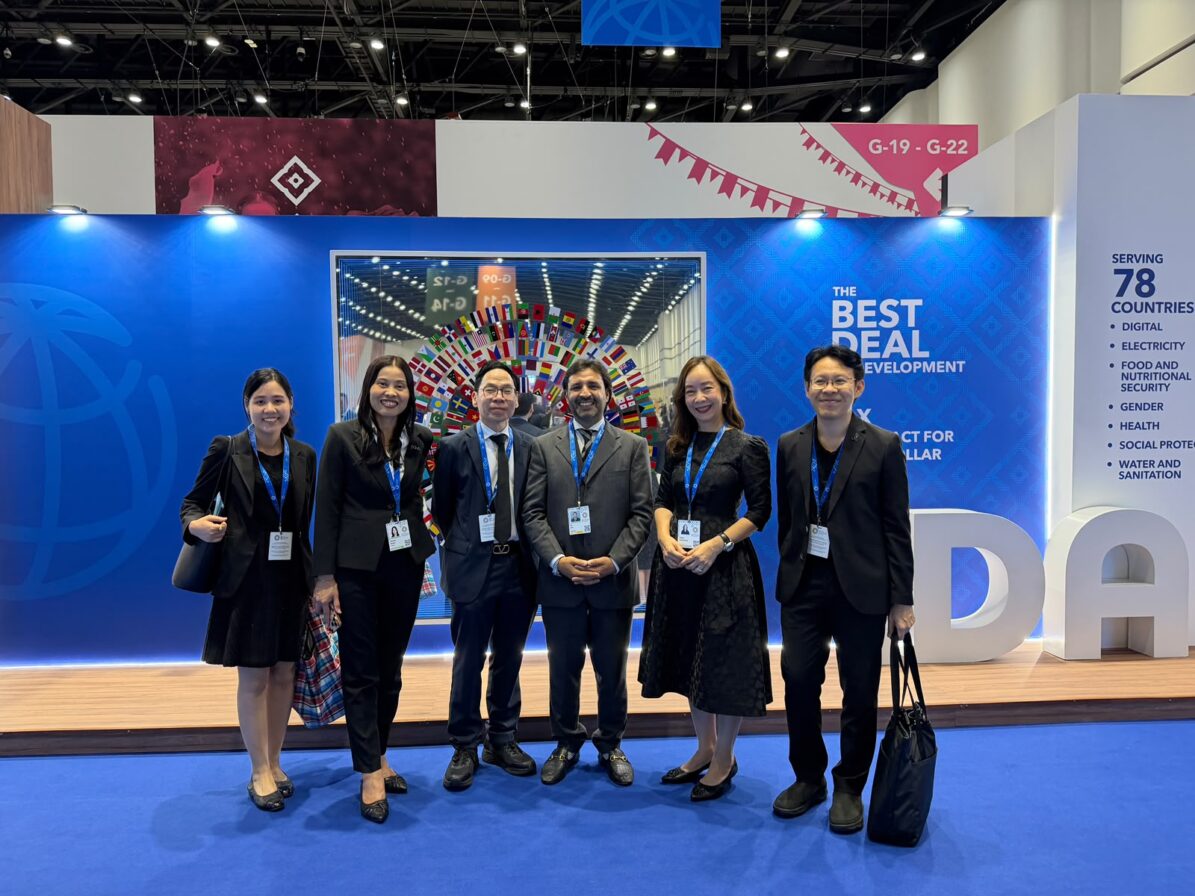
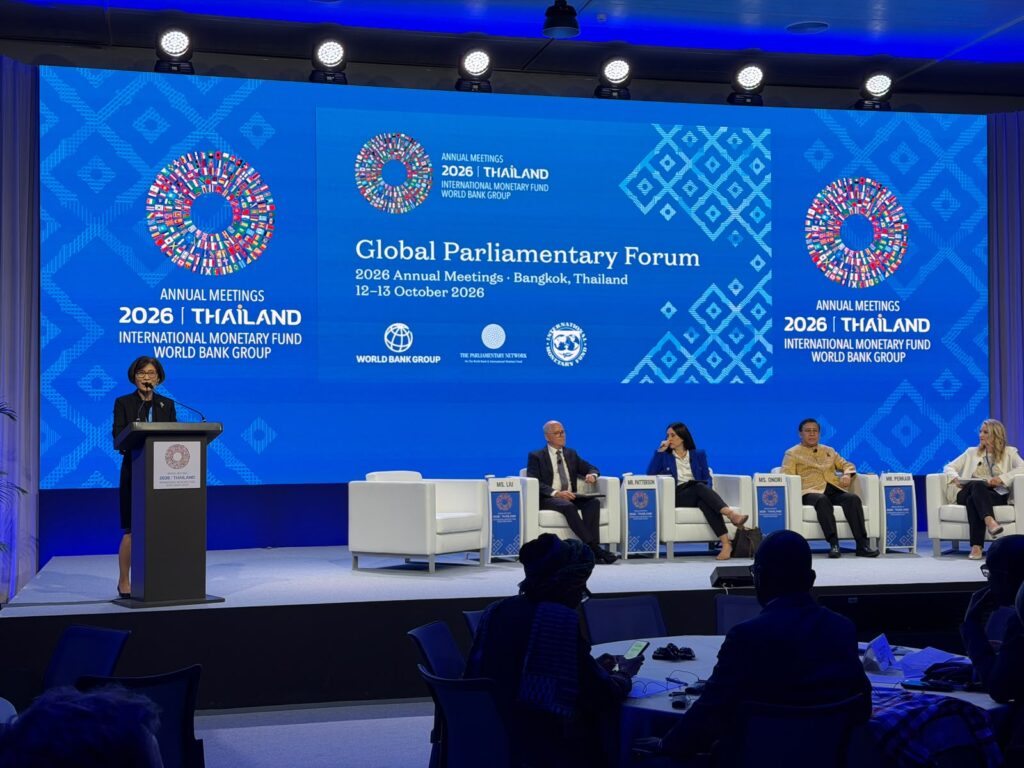
BANGKOK: The Global Parliamentary Forum is taking place on October 12–13, 2026, in Bangkok, Thailand, in connection with the 2026 Annual Meetings of the International Monetary Fund (IMF) and the World Bank Group, bringing parliamentary engagement and international economic cooperation into focus.
The forum provides a platform for discussions on global economic challenges, development priorities, financial stability and the role of elected representatives in shaping policies that affect people and economies around the world. Held alongside the annual gatherings of the IMF and World Bank Group, the event highlights the importance of dialogue between parliamentarians and international financial institutions on issues related to economic governance, sustainable development and poverty reduction.
The two-day programme takes place at a time when countries continue to face a range of interconnected economic and development challenges, including pressures on public finances, the need for investment, employment generation, social protection and efforts to ensure that economic growth benefits all segments of society.
Parliamentarians have an important role in addressing these challenges through legislation, budgetary oversight, public accountability and engagement with their constituents. Their participation in international discussions can help connect global economic policy debates with the practical needs and priorities of local communities.
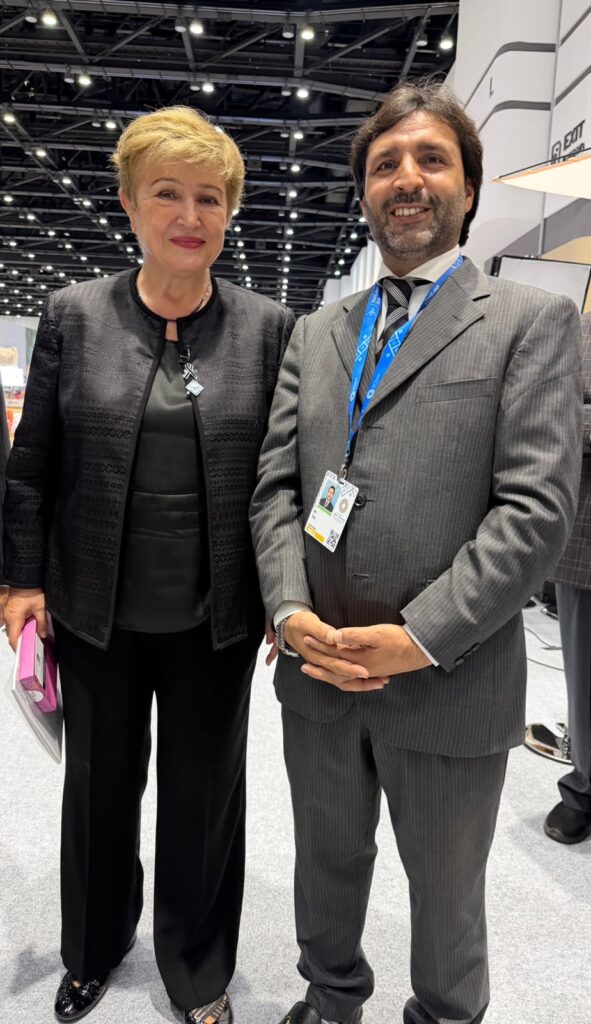
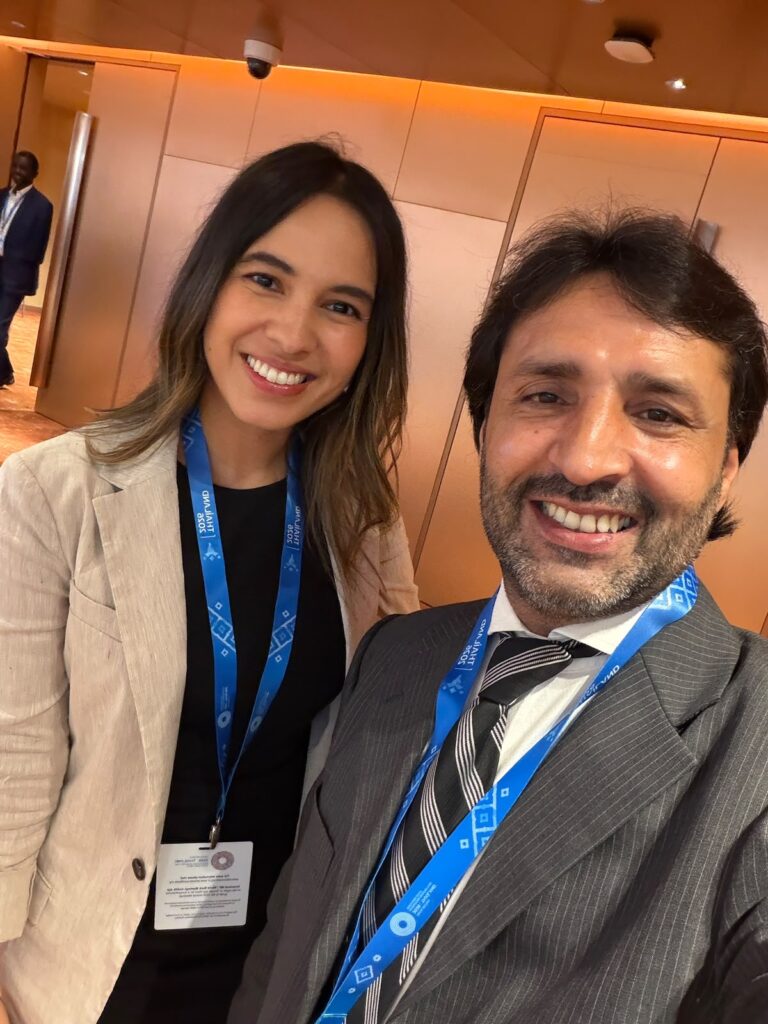
The Global Parliamentary Forum offers an opportunity to exchange views on how national parliaments can contribute to effective development policies, transparent public spending and stronger institutional cooperation. It also provides a setting for representatives to discuss how international financial and development initiatives can respond more effectively to the needs of individual countries.
The Parliamentary Network is associated with efforts to strengthen engagement between parliamentarians and international development institutions. Such engagement is important in promoting informed debate on development financing, the use of public resources and the implementation of policies intended to improve economic and social conditions.
Parliamentary Engagement in Global Economic Policy
The participation of parliamentarians in discussions linked to the IMF and World Bank Group is significant because economic decisions taken at national and international levels often have a direct impact on public services, employment, infrastructure and household welfare.
Parliaments play a central role in examining government budgets, reviewing development programmes and ensuring that public funds are used responsibly. They can also contribute to discussions on taxation, investment, social spending and the measures required to strengthen economic resilience.
International forums provide legislators with opportunities to exchange experiences and learn from the approaches adopted by other countries. These exchanges can support more informed policymaking and encourage cooperation on shared challenges, particularly in developing economies that require investment, institutional capacity and access to sustainable sources of financing.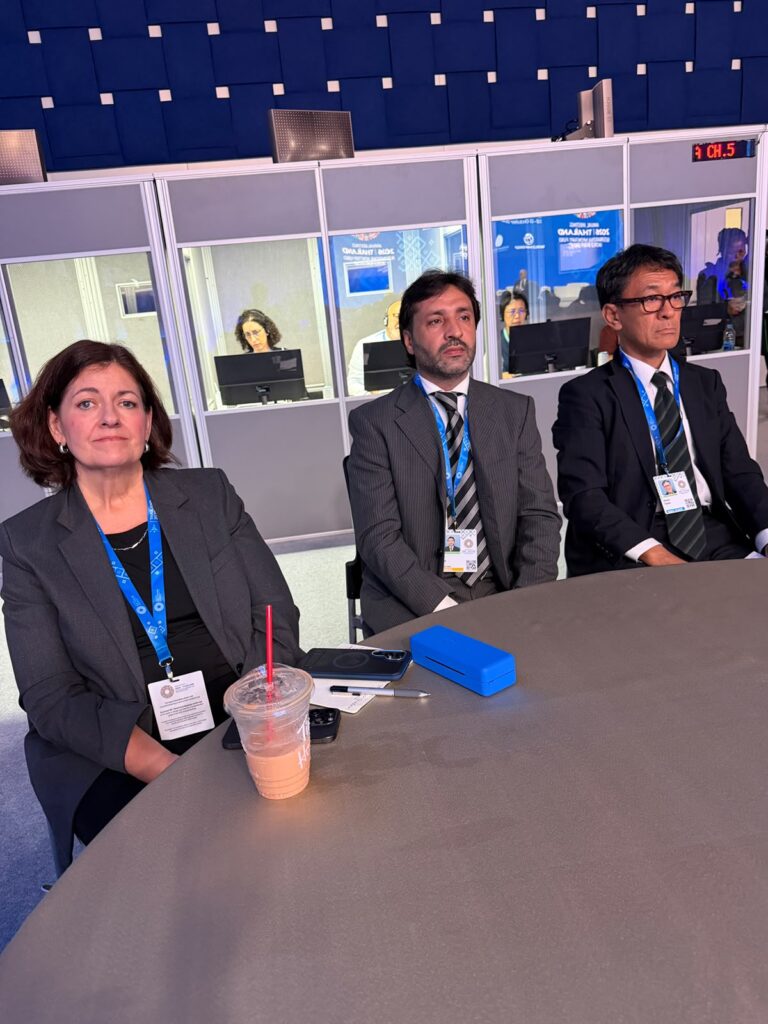
The Bangkok gathering also underscores the importance of communication between policymakers and international institutions. Parliamentary perspectives can help ensure that discussions about economic reform and development take account of public priorities, national circumstances and the practical challenges faced by governments.
IMF and World Bank Group Annual Meetings
The Global Parliamentary Forum is being held in connection with the 2026 Annual Meetings of the IMF and World Bank Group, which bring together representatives of governments, financial institutions and other stakeholders to discuss major economic and development issues.
The IMF focuses primarily on international monetary cooperation, economic and financial stability, surveillance of national and global economies, and assistance to countries facing balance-of-payments difficulties. Its work also includes policy advice and financial support designed to help countries address economic pressures.
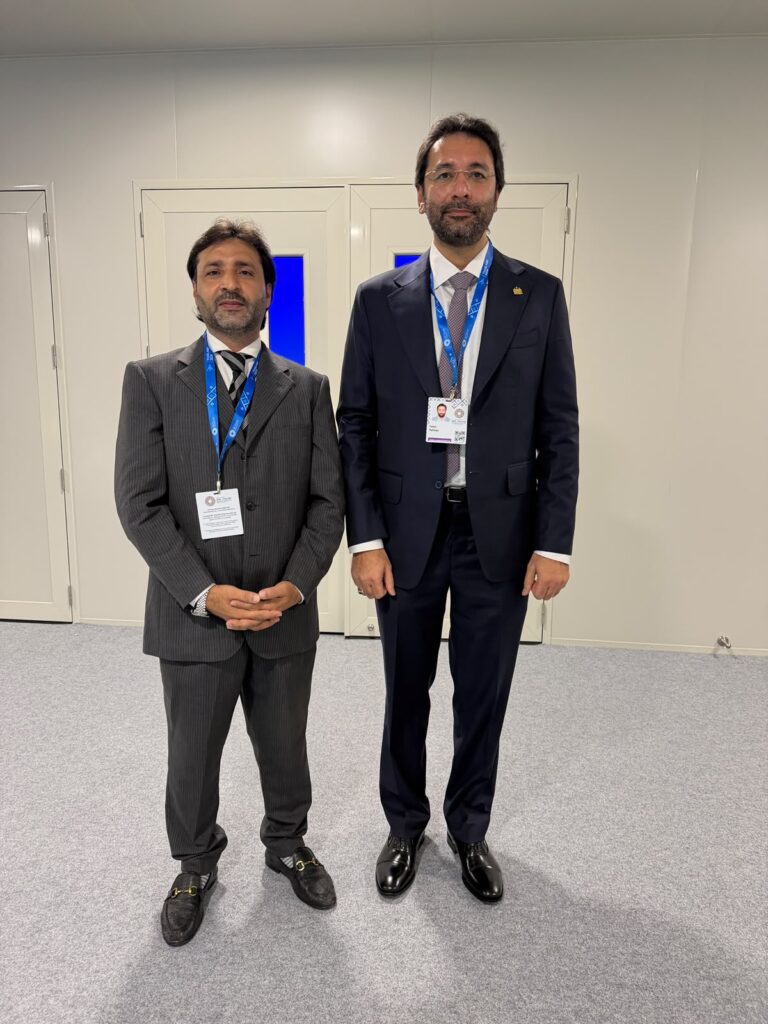
The World Bank Group focuses on long-term development, poverty reduction, infrastructure, institutional strengthening and improving living standards. Its activities support projects and programmes in areas such as education, healthcare, energy, agriculture, transport and access to essential services.
Although their mandates differ, both institutions play influential roles in international economic cooperation. Their work is closely connected to debates about sustainable growth, public-sector reform, investment and the capacity of countries to withstand economic shocks.
The annual meetings provide a setting for participating countries to exchange views on these issues and consider approaches to strengthening economic stability and development. The parliamentary forum adds an important dimension by drawing attention to the role of legislative institutions in scrutinising policy choices and promoting accountability.
Development, Accountability and Inclusive Growth
One of the central challenges facing policymakers is ensuring that economic progress translates into tangible improvements in people’s lives. Economic growth alone does not necessarily guarantee equitable access to education, healthcare, employment opportunities or social protection.
Effective development policies require sound institutions, transparent decision-making and appropriate oversight of public expenditure. Parliamentary scrutiny can help identify gaps in the implementation of development programmes, assess the effectiveness of public investments and encourage governments to respond to citizens’ concerns.
International cooperation can complement these national efforts by supporting access to expertise, development financing and policy experience. However, successful outcomes also depend on the ability of countries to adapt international recommendations to their own economic conditions, institutional arrangements and development priorities.
The Global Parliamentary Forum provides a relevant setting for considering these questions and highlighting the contribution that elected representatives can make to development planning and economic governance.
International Participation
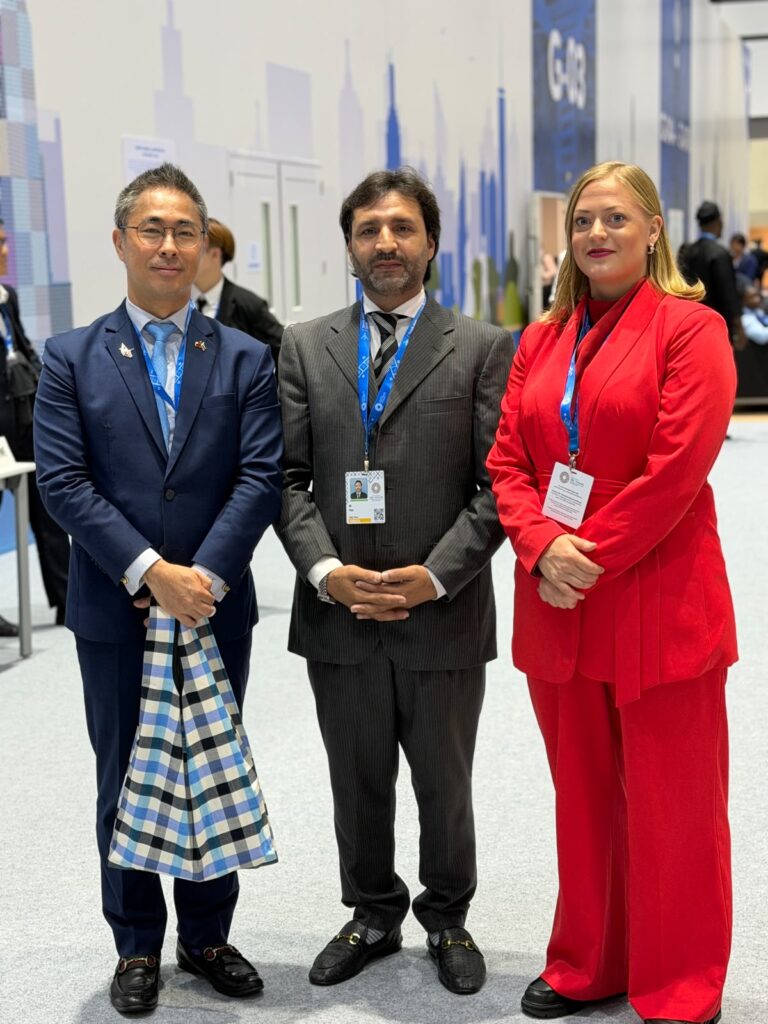
The event material lists several individuals, including Ms. Liu, Mr. Patterson, Ms. Onori, Mr. Penkai and Ms. Rojaka.
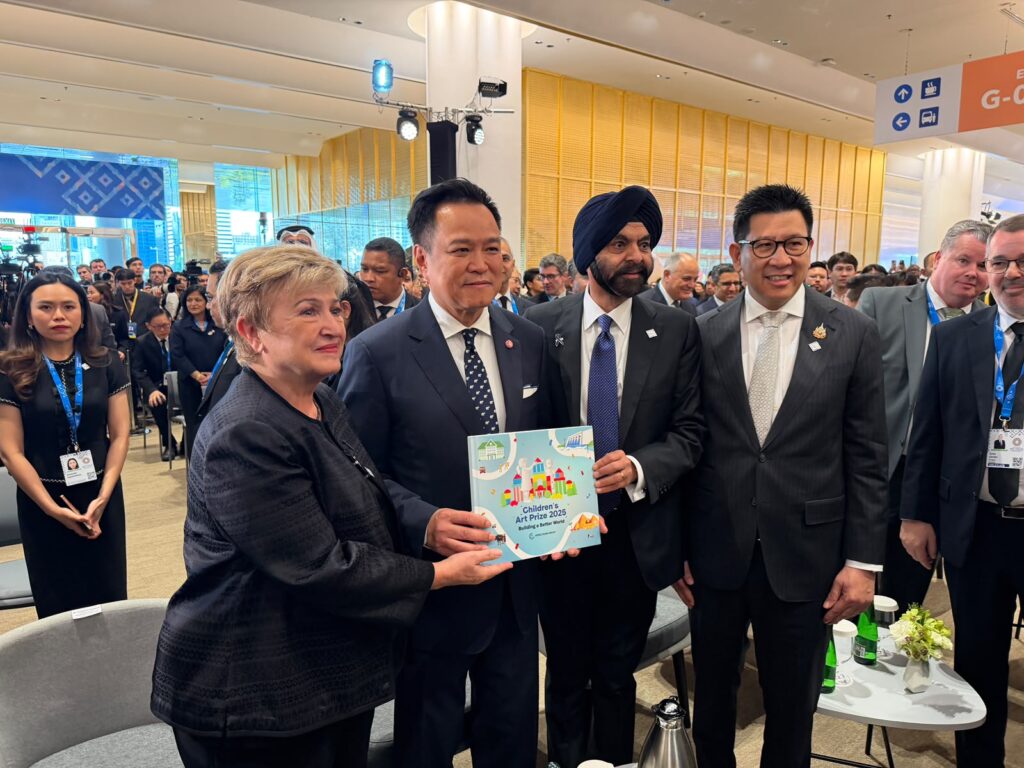
The presence of participants from different backgrounds at international parliamentary and financial gatherings can contribute to the exchange of ideas and experiences on economic management, development strategies and institutional cooperation.
The two-day forum in Bangkok, scheduled for October 12–13, forms part of the broader programme associated with the IMF–World Bank Group Annual Meetings for 2026.
As global economic conditions continue to evolve, discussions involving parliamentarians and international financial institutions remain important for strengthening policy dialogue, improving accountability and supporting development strategies that respond to the needs of countries and their populations.
The Bangkok forum therefore provides an opportunity to highlight the relationship between international economic cooperation, parliamentary oversight and the pursuit of sustainable and inclusive development.
