
By: Fazli Haq
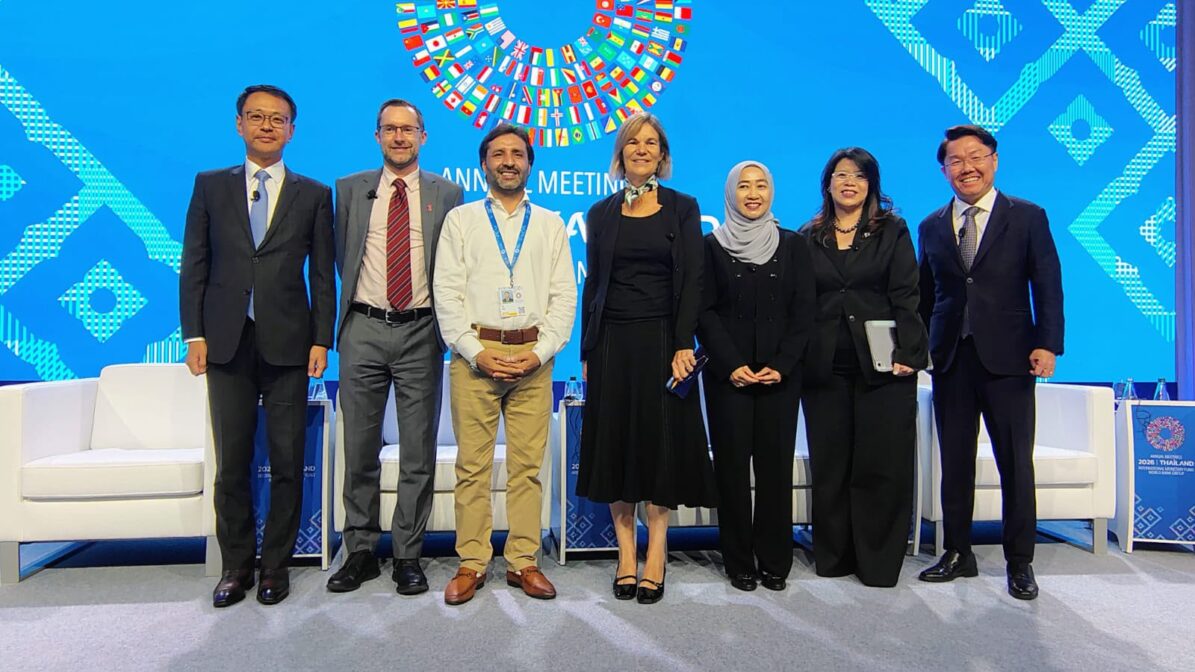
BANGKOK: The International Monetary Fund (IMF) and the World Bank Group are focusing on the implementation of the Bangkok Blueprint, highlighting the importance of international cooperation, economic stability and sustainable development in addressing emerging global challenges.
The Bangkok Blueprint Implementation initiative, referenced alongside Thailand’s 2025 and 2026 development agendas, reflects the broader importance of coordinated policy efforts to promote economic resilience, strengthen institutions and support inclusive growth. Its implementation provides an opportunity to bring together policymakers, development partners and relevant stakeholders to discuss priorities and explore practical approaches to long-term economic progress.
International financial institutions, including the IMF and the World Bank Group, play important roles in supporting countries as they respond to changing economic conditions, development requirements and financial challenges. Through policy advice, technical assistance, financing and international cooperation, these institutions help governments strengthen economic management and pursue development objectives.
Thailand’s involvement in the initiative places emphasis on the importance of regional cooperation and the exchange of knowledge and experience. As economies face challenges related to economic uncertainty, investment requirements, public-sector efficiency and sustainable growth, cooperation between national authorities and international institutions remains essential.
The implementation of a development blueprint requires clear objectives, effective coordination and a commitment to translating policy priorities into practical results. Engagement among government institutions, financial organisations, the private sector and development partners can help identify areas where cooperation may improve economic opportunities and strengthen institutional capacity.
A coordinated approach can also support efforts to promote inclusive development, encourage responsible investment and improve the capacity of economies to respond to external shocks. Maintaining economic stability while addressing long-term development needs remains a significant priority for countries seeking sustainable and broad-based prosperity.

The IMF’s work generally focuses on international monetary cooperation, financial stability and sound macroeconomic policies, while the World Bank Group supports development through financing, expertise and programmes designed to reduce poverty and improve living standards. Their respective roles can complement national development strategies where shared priorities and coordinated action exist.
The Bangkok Blueprint Implementation theme also highlights the importance of monitoring progress and evaluating outcomes. Establishing measurable targets, identifying institutional responsibilities and maintaining transparent implementation processes are important elements of ensuring that policy commitments lead to meaningful results.
Thailand’s 2025 and 2026 references suggest a continuing timeframe for engagement with the initiative. However, the specific objectives, participating institutions, implementation schedule and official outcomes of the Bangkok Blueprint were not provided in the available material.

Further official information would be needed to establish the precise measures being introduced under the blueprint, the role of the IMF and World Bank Group in its implementation, and the expected benefits for Thailand and the wider region.
As international economic cooperation continues to evolve, initiatives that encourage policy coordination, knowledge-sharing and sustainable development can provide a platform for addressing shared challenges. Effective implementation will ultimately depend on clear priorities, practical measures and continued collaboration among all relevant stakeholders.
