
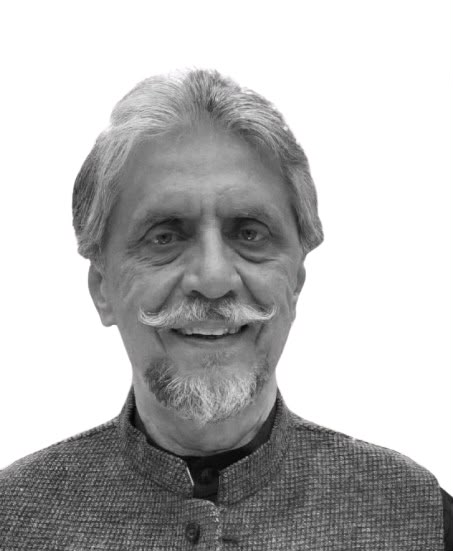
By: Judge Muhammad Asim Imam
Every society develops its own mechanisms for resolving disputes, preventing conflicts and maintaining social harmony. In Pakistan, two important traditions of conflict resolution coexist: the formal judicial system, which delivers justice through courts and established laws, and indigenous community-based mechanisms rooted in local wisdom, consultation and reconciliation. These systems should not be viewed as competitors; rather, when operating within legal boundaries, they can complement each other.
Pakistan has a rich tradition of indigenous dispute resolution. In Khyber Pakhtunkhwa and Balochistan, it is known as the Jirga system; in Punjab, as Panchayat; and in Sindh, as the Faislo system. Despite differences in their procedures and cultural settings, their common objective is to resolve disputes through dialogue, consensus and reconciliation, avoiding prolonged litigation and social confrontation.
The strength of these traditional mechanisms lies in their understanding of local relationships and social dynamics. While courts determine legal rights and liabilities, community mediation can restore relationships and prevent long-standing hostility. A land dispute, family disagreement or neighbourhood conflict often involves relationships that parties must continue to maintain. A successful reconciliation therefore achieves more than a settlement; it helps restore trust and social harmony.
The Jirga system has developed practical techniques to prevent conflicts from escalating. One such mechanism is “Tiga”, meaning a temporary ceasefire or truce between conflicting parties. Respected elders intervene to secure an understanding that neither side will resort to violence while negotiations continue. Another mechanism involves surety deposits or guarantees, commonly known as “Wassa”, through which parties demonstrate their commitment to the settlement and agreed conditions. When voluntary, transparent and free from coercion, these practices help establish trust and social accountability.
The philosophical foundation of these practices is closely connected with Islamic teachings on “Sulh” (reconciliation) and “Islah” (restoration). Surah Al-Hujurat encourages reconciliation between disputing parties, while Surah An-Nisa recognises reconciliation as a desirable course. Islam emphasises that justice is not merely about punishment; it is also about preventing hostility, restoring relationships and protecting human dignity.
One of the greatest advantages of local wisdom and traditional dispute-resolution mechanisms is the speed with which they can address conflicts and reach mutually acceptable decisions. Unlike formal court proceedings, which often involve lengthy procedures, repeated hearings, adjournments, legal expenses and years of litigation, a Jirga or community-based mediation can frequently bring disputing parties to the negotiating table and resolve matters within days or even hours. This timely intervention not only saves money and resources but also prevents minor disagreements from escalating into prolonged hostility, violence or permanent divisions between families and communities.
The recent decision of Peshawar Police to prohibit private Jirgas across the city has brought this issue into public debate. They announced strict action against organisers and warned that hotels and wedding halls hosting such gatherings could also face action following a shooting at a hotel during a private Jirga that killed two people. Concerns about weapons and security are legitimate and require serious attention. Nevertheless, misconduct by certain organisers should not become a reason to dismiss the entire concept of community-based reconciliation.
Pakistan’s constitutional and legal framework also supports accessible and inexpensive justice. Article 37(d) of the Constitution directs the state to ensure inexpensive and expeditious justice. Similarly, the Khyber Pakhtunkhwa Alternate Dispute Resolution Act, 2020, provides a legal framework for resolving specified disputes through negotiation, mediation and conciliation. Police-established Dispute Resolution Committees (DRCs) function on a model similar to traditional Jirgas, bringing together locally appointed community members who voluntarily facilitate reconciliation. All these mechanisms share the objective of preventing minor disputes from escalating into serious crimes through timely and inexpensive resolution. The Supreme Court has also clarified that Jirgas and Panchayats cannot operate as parallel courts or exercise coercive judicial authority, although voluntary mediation and reconciliation within the law are permissible.
The way forward is therefore reform, not the abandonment of indigenous wisdom. Traditional elders can be trained in mediation, basic legal principles and human rights. Transparent procedures, written consent, reasonable and disclosed expenses, proper documentation and protection of vulnerable groups can strengthen public confidence. Weapons must have no place in reconciliation meetings, and serious criminal offences must remain within the jurisdiction of competent legal authorities and courts. Legally recognised ADR mechanisms and police-supported dispute resolution committees can also bridge the gap between traditional wisdom and the formal justice system.
Ultimately, the preservation of Jirga does not mean defending every practice carried out in its name. It means protecting the wisdom of dialogue, reconciliation, mutual guarantees and collective responsibility while eliminating coercion and unlawful practices. Courts remain indispensable for protecting legal rights and delivering authoritative judgments, while community-based reconciliation can prevent disputes, restore relationships and strengthen social cohesion.
A society needs courts to establish justice, but it also needs wisdom to prevent conflicts from destroying relationships. The purpose of preserving the Jirga is not to place it above the law, but to make it a constructive partner in delivering peace and justice.
The author is a former District and Sessions Judge who has also served as an Advisor to the Federal Ombudsman and Commissioner of the KP RTS Commission, having 40 years of experience.
