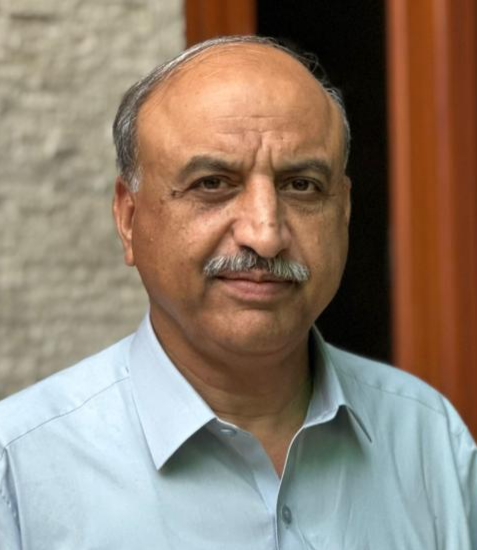
By Shamsul Haq
Healthcare issues in Mardan, including inadequate medical facilities, the prolonged delay in completing the District Headquarters (DHQ) Hospital project, and the non-implementation of Phase III of Mardan Medical Complex (MMC), remain subjects of continuous debate among civil society, health professionals and the local media.
The government, which has been in power in Khyber Pakhtunkhwa since 2013 under the banner of “change”, claims that healthcare remains one of its foremost priorities. To some extent, this claim is supported by initiatives such as the Sehat Card programme, which provides health coverage of up to Rs1 million annually to every citizen. Similarly, the conversion of major public hospitals into Medical Teaching Institutions (MTIs) was intended to improve efficiency and autonomy in the healthcare sector.
However, several issues relating to the MTI system remain unresolved. Foremost among them is the manner in which Boards of Governors are constituted. Appointments often appear to be influenced more by personal preferences of those in authority than by merit. In many cases, individuals from distant areas are appointed despite the availability of highly qualified local professionals with distinguished records of service in the health sector. Such board members often have little connection with the communities they are expected to serve and rarely visit the institutions except for mandatory meetings.
The situation is no different at MTI Mardan Medical Complex, where a majority of board members have little or no association with Mardan or even the wider Mardan region. Meanwhile, the hospital’s challenges continue to grow.
Complaints regarding cleanliness and security are common. Patients often find it difficult to access senior consultants and specialist doctors during evenings, nights and weekends. Official working hours under MTI policy extend from 8am to 4pm, yet many doctors begin institutional-based private practice around 2pm, charging consultation fees ranging from Rs1,000 to Rs2,000. Concerns have also been raised regarding the availability of medicines in hospital pharmacies.
The state of security was highlighted recently when a student was reportedly subjected to violence on the hospital premises. Against this backdrop, the MMC administration invited local journalists for an informal interaction with the newly appointed Hospital Director, retired Brigadier Dr Abrar Khan.
In the past, MMC management maintained close contact with the local press, which helped keep hospital administrators informed about public concerns. However, after the appointment of a Public Relations Officer several years ago, communication between the hospital administration and local media gradually diminished. The recent interaction therefore marked a welcome revival of that engagement.
Accompanied by Medical Director Dr Muhammad Syed, Dean of Bacha Khan Medical College Prof Dr Jawad Hoti, and Deputy Medical Director Dr Rohail, the new hospital director outlined an ambitious roadmap for improving healthcare services at MMC.
Dr Abrar Khan announced plans to establish additional wards and upgrade the Emergency and Accident Department into a fully-fledged unit. According to him, MMC serves between 2,000 to 2,500 patients daily and provides modern healthcare facilities to residents of the region.
He said that patients not only receive free medicines but can also avail themselves of treatment under the Sehat Card programme. Describing the initiative as a revolutionary project of the provincial government, he maintained that every holder of a Khyber Pakhtunkhwa national identity card is entitled to healthcare coverage of up to Rs1 million — a facility he claimed has few parallels anywhere in the world.
The hospital director further announced plans to establish a second cardiac catheterisation laboratory (Cath Lab) and install an additional CT scan and MRI machine. However, both the Hospital Director and the Medical Director were unable to provide a satisfactory explanation regarding the prolonged non-functionality of the hospital’s existing MRI machine, citing a shortage of funds.
The role of local elected representatives also came under discussion. Dr Abrar Khan praised their support, saying that during a recent meeting with the provincial health minister and secretary health, public representatives actively raised the hospital’s issues and were assured that corrective measures would be taken. Yet such assurances have become all too familiar to the public, many of whom remain sceptical after years of unfulfilled promises.
Among other initiatives, the administration plans to introduce an online registration system in the outpatient department (OPD), establish three new operation theatres meeting international standards, and add six beds to the intensive care unit.
Responding to a question about the recent security incident, Dr Abrar Khan said that a dedicated security officer had been appointed for the first time in the hospital’s history. He added that the contract of the existing private security company had expired and that a tender had been issued for hiring a new firm. According to him, the arrival of professionally trained security personnel would significantly improve the situation.
There is little doubt that the intentions of the new Hospital Director appear sincere and encouraging. Yet the real challenge lies not in announcing reforms but in implementing them. Whether retired Brigadier Dr Abrar Khan can translate his roadmap into tangible improvements for patients remains the question that will ultimately determine the success of his tenure.