
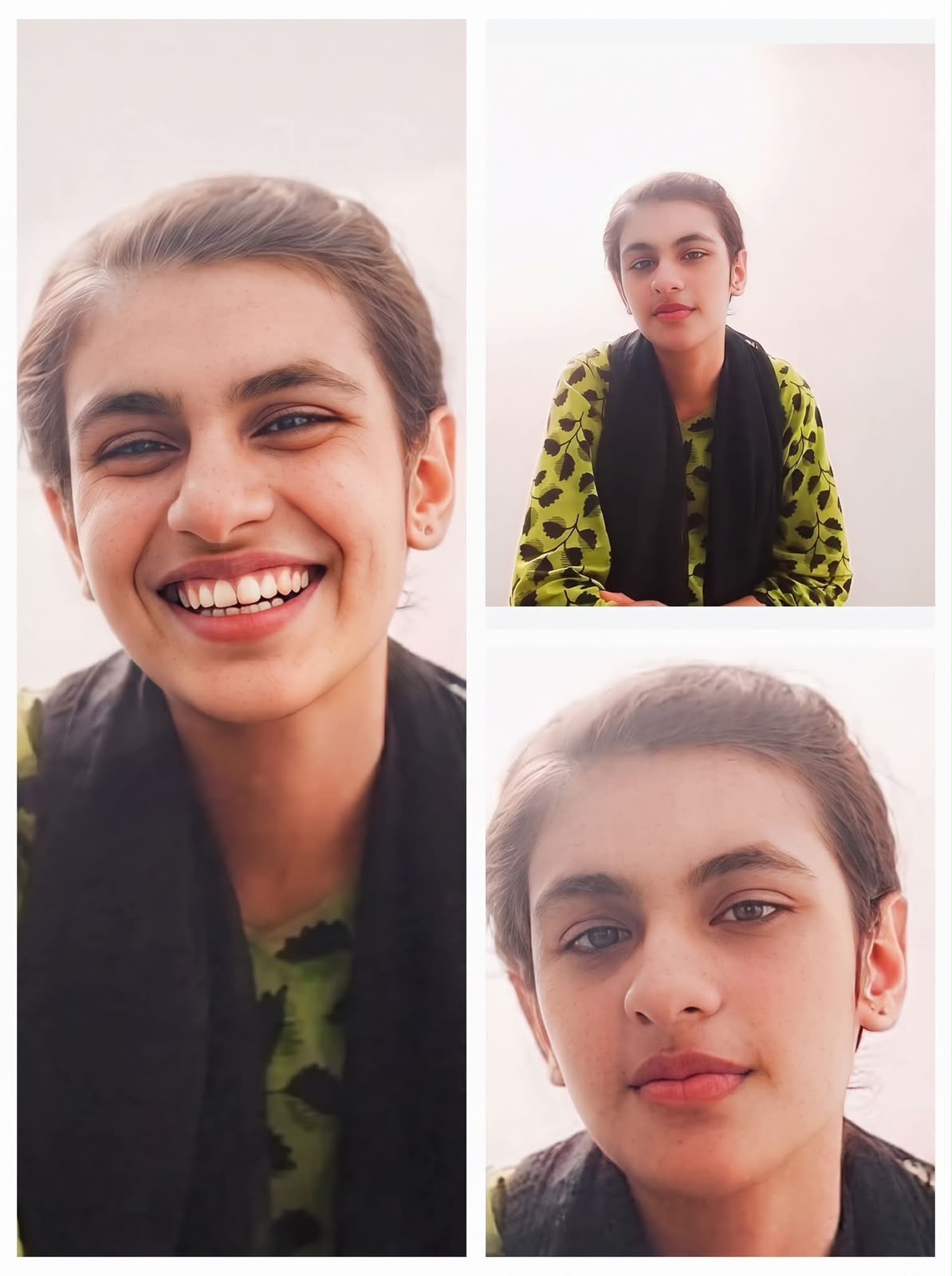
By Syed Nouman Ud Din, Advocate High Court
The Areeza Fatima Case: Quackery, Negligence, and a Question Mark Over Our Healthcare System
“When human life becomes cheap, every claim of progress loses its meaning.”
Some news stories are more than headlines—they shake the conscience of an entire nation. They force us to reflect on where we stand as a society and where we are heading. The tragic death of 14-year-old Areeza Fatima from Sargodha is one such heartbreaking incident that has left every compassionate person deeply saddened.
Imagine a father taking his daughter from home with nothing more than the hope of treating a minor problem with her toenail. Within hours, the same father is desperately praying for her life outside a hospital, and only days later, he is forced to bury his beloved child. Few tragedies can be more devastating for any family.
According to reports, Areeza was initially treated by an alleged unqualified practitioner at a medical store located on Girls College Road, Block No. 18, Sargodha, where a minor procedure was performed on her toenail. The following day, during a dressing change, another individual reportedly claimed to be more experienced and administered two injections. Her family alleges that immediately after receiving the injections, Areeza cried out in severe pain and said to her father:
“Dad… I’m in so much pain… my body is turning blue.”
These words will likely echo in her father’s heart for the rest of his life.
Moments later, she lost consciousness and was rushed to the DHQ Hospital in Sargodha. According to her family, doctors there informed them that a severe infection had spread following the allegedly incorrect injection. Despite fighting for her life on a ventilator for three days, Areeza passed away on 6 July.
If these facts are confirmed through an impartial investigation, this would represent not only an act of medical negligence but also a grave failure to protect the sanctity of human life.
Unfortunately, quackery has become a silent yet dangerous epidemic in Pakistan. Across cities and rural communities alike, unqualified individuals continue to provide medical treatment without proper education, professional training, or legal authorization. What begins as treatment for a minor illness or injury can quickly turn into a life-threatening tragedy.
Peshawar is no exception. In various parts of the city, unqualified individuals continue to administer injections, intravenous drips, wound care, stitches, and even perform minor medical procedures from medical stores or unregistered clinics. Although the relevant authorities occasionally conduct enforcement operations, the reality on the ground suggests that this dangerous practice has not been eliminated. The Health Department, district administration, the Khyber Pakhtunkhwa Healthcare Commission, drug inspectors, and law enforcement agencies must intensify sustained and impartial action against illegal medical practices before more innocent lives are lost.
There can be no compromise when it comes to human life. Anyone who practices medicine without proper qualifications, administers incorrect medication or injections, or endangers a patient’s life through incompetence should be held accountable under the law. Registering a criminal case alone is not enough. Transparent investigations, scientific evidence, fair trials, and effective punishment are essential to ensure justice and deter future negligence.
This tragedy also highlights another painful reality public carelessness. Many people seek treatment from unqualified practitioners simply because they are nearby or less expensive. A few saved rupees can sometimes cost an entire life. Healthcare should never be entrusted to individuals who lack the necessary qualifications and legal authority.
Equally important is public awareness. Citizens should know how to identify licensed doctors, registered clinics, and legally authorized healthcare facilities. Combating quackery is not solely the responsibility of government institutions; society as a whole must reject unsafe and illegal medical practices.
Areeza Fatima will never return, but her tragic death leaves us with a painful question: How many more innocent lives must be sacrificed before decisive action is taken against quackery?
How many more parents must leave home seeking treatment for a minor illness, only to return carrying the unbearable weight of loss?
If we fail to learn from this tragedy today, another child may tomorrow utter the same heartbreaking words:
“Dad… I’m in so much pain…”
If the ongoing investigation establishes negligence, illegal medical practice, or responsibility on the part of any unqualified individual, the law must take its full course. Justice is not only the right of Areeza’s family; it is the right of every citizen who expects safe and competent medical care for their children.
