
Slow solar shift increases oil dependence risk.
TARIQ KHATTAK
Islamabad
Pakistan’s solar boom, which has already saved the country more than 12 billion dollars in fossil fuel imports in a few years and helped shield millions of households from the worst of an ongoing regional energy crisis, is being undermined by new taxes and fees, a prominent business leader warned on Wednesday.
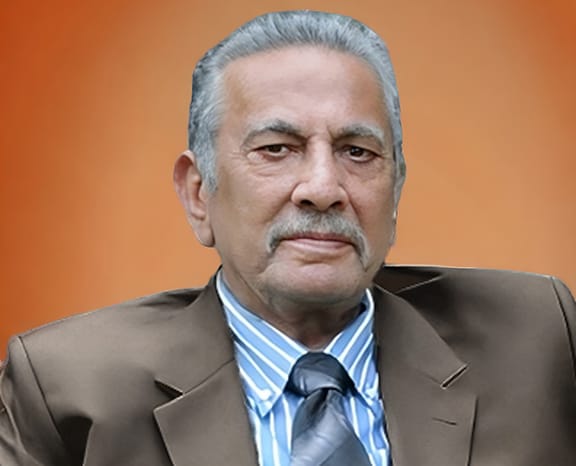
Shahid Rasheed Butt, a former president of the Islamabad Chamber of Commerce, said an 18 percent general sales tax on imported solar panels and newly imposed fixed monthly charges on solar users are threatening to reverse a citizen-led energy transition that took Pakistan to near world-record levels of solar adoption. Between 2022 and 2024, Pakistan’s fossil fuel imports fell 40 percent, reducing the country’s exposure to supply disruptions in the Strait of Hormuz, where ongoing regional hostilities continue to threaten critical shipping routes.
Butt estimated the solar boom could save an additional 6.3 billion dollars by the end of 2026 at current prices. Yet two recent policy decisions are working against that trajectory. The 18 percent sales tax would reduce affordability for consumers and damage investor confidence.
The government has also imposed fixed monthly electricity charges on all three-phase meter consumers, ranging from Rs 2,363 to over Rs 10,125 per month, depending on approved load capacity. Separately, the net metering system for new solar users has been replaced with a net billing arrangement, paying only approximately Rs 11 per unit for electricity fed back to the grid.
The contradiction sits uncomfortably against Pakistan’s energy reality. The country depends on the Middle East for more than 90 percent of its oil and gas imports. Recent petrol and diesel price hikes of 20 percent have already pushed up transport costs and the price of basic goods, hitting low-income households hardest. Solar adoption had provided a partial but meaningful buffer for millions. Any policy that raises the cost of solar equipment or penalises grid-independent consumers directly weakens national energy security at a critical moment.
Shahid Rasheed Butt urged the government to remove all duties and sales taxes on solar components, reverse the fixed monthly meter charges, and reinstate fair net metering rates, arguing that the state’s role is to accelerate a transition, not to obstruct it; otherwise, it will push users off-grid, worsening utility losses amid circular debt over Rs 3.5 trillion.
