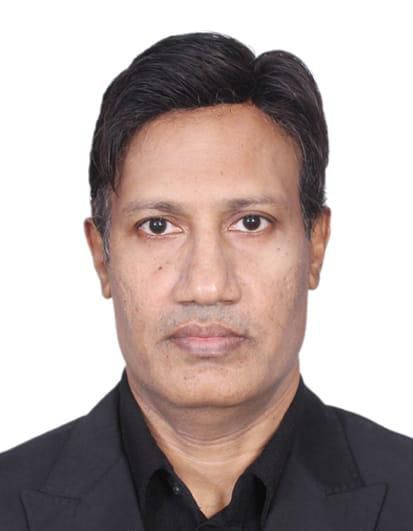
By Junaid Qaiser
The first anniversary of Marka-e-Haq is more than just a military milestone for Pakistan; it symbolizes a significant shift in how the nation perceives itself and how the world is increasingly viewing it. While the operation showcased the strength and readiness of Pakistan’s Armed Forces—particularly the Pakistan Air Force—it also signified the start of a broader strategic transformation that goes well beyond the battlefield.
According to the ISPR, Marka-e-Haq confirmed years of modernization, operational adjustments, and investments in advanced capabilities. The Pakistan Air Force proved its ability to blend cutting-edge technologies, multi-domain operations, and quick-response strategies, all of which reflect a forward-thinking military doctrine. What really stood out was not just the technological prowess, but also the discipline and professionalism displayed during these operations.
For the people of Pakistan, Marka-e-Haq holds great significance because it helped restore their confidence. In recent years, the national spirit has often dipped due to economic pressures, political divides, and uncertainty in the region. Yet, there are moments in history when institutions remind a nation of its strength. Marka-e-Haq was one of those defining moments. It reinforced the idea that Pakistan has the strategic depth, institutional capability, and national resolve to defend its sovereignty, regardless of the challenges it faces.
However, the true impact of Marka-e-Haq goes beyond just military victories. Its broader implications have been felt in the realm of diplomacy. Over the last year, Pakistan has been gradually repositioning itself as a credible regional player, capable of fostering peace and stability at a time when both the Middle East and South Asia are experiencing significant volatility.
Recently, PM Shehbaz Sharif made a noteworthy announcement: Pakistan has been instrumental in facilitating groundbreaking talks between Iran and the United States in Islamabad. This development is a clear sign of the increasing trust among nations. Bringing two rivals to the negotiating table for the first time since 1979 is no ordinary diplomatic achievement. It highlights the confidence that both regional and global players now have in Pakistan’s ability to navigate sensitive geopolitical challenges with care.
Additionally, Pakistan’s role, in collaboration with Saudi Arabia, in persuading US President Donald Trump to pause “Project Freedom” in the Strait of Hormuz further emphasizes Islamabad’s growing significance in regional diplomacy. At a moment when even a slight escalation in the Gulf could have led to greater instability, Pakistan chose the route of de-escalation and dialogue. This distinction is crucial because powerful nations are not only defined by their military strength; they are also recognized for their ability to avert conflict.
Saudi Arabia’s support for Pakistan’s diplomatic efforts is making waves in the region. By endorsing Islamabad’s mediation initiatives, Riyadh is signaling a stronger strategic bond between the two countries, particularly when it comes to promoting regional peace and unity among Muslims. The recent institutional agreements between Saudi Arabia and Pakistan further illustrate how their cooperation is evolving beyond just defense matters.
Marka-e-Haq also highlighted a key truth about Pakistan’s strategic mindset. In the face of ongoing regional tensions and shifting threats, Pakistan remains committed to a stance of deterrence instead of aggression. The Armed Forces have made it clear that they are prepared for defense while maintaining a focus on stability and responsibility. This balance is crucial in a region where a single miscalculation can spiral into a much larger crisis.
A key lesson we’ve learned over the past year is that modern warfare isn’t just about traditional battlefields anymore. Nowadays, cyber capabilities, information warfare, artificial intelligence, and integrated operations are just as influential in determining strategic outcomes as tanks and missiles. It looks like Pakistan’s military leadership is catching on to this change. Their focus on disruptive technologies and readiness for future battlefields indicates they’re preparing for tomorrow’s challenges rather than yesterday’s conflicts.
Meanwhile, Pakistan’s diplomatic comeback has been matched by a renewed emphasis on internal unity. Prime Minister Shehbaz Sharif’s call to religious scholars to bolster social cohesion has made a significant impact. External strength can only thrive when it’s anchored in internal stability. During times of regional uncertainty, national unity becomes a crucial element of a country’s strategic defense.
International perceptions toward Pakistan also appear to be gradually evolving. Recent remarks from President Donald Trump, where he praised the country’s civil-military leadership and referred to Field Marshal Asim Munir as his favorite, suggest that Islamabad is starting to be seen in a new light. For many years, discussions about Pakistan often revolved around instability and crisis management. But now, it’s being recognized more as a nation that can mediate, exercise restraint, and take on strategic responsibilities.
This transformation is crucial because perceptions can shape diplomacy just as much as raw power. Countries that are trusted tend to wield more influence, and those that can communicate effectively with rival nations become strategically valuable. Pakistan’s growing role as a mediator between competing regional interests shows that its geopolitical importance is once again on the upswing. .
The remarks made by Pakistani-American businessman Sajid N. Tarar celebrating the prospect of an “Islamabad Accord” captured the optimism many Pakistanis now feel about the country’s direction. Whether symbolic or aspirational, such sentiments reflect a belief that Pakistan is regaining strategic confidence after years of political turbulence and international skepticism.
Marka-e-Haq has taken Pakistan beyond just a military context; it has transformed into a symbol of strategic growth, institutional confidence, diplomatic significance, and national resilience. It highlights that Pakistan’s true strength today lies not just in its defense capabilities, but also in its power to influence discussions and agreements around peace, stability, and regional collaboration. In a world where geopolitical dynamics are shifting rapidly, this could very well be Pakistan’s most significant achievement to date.