
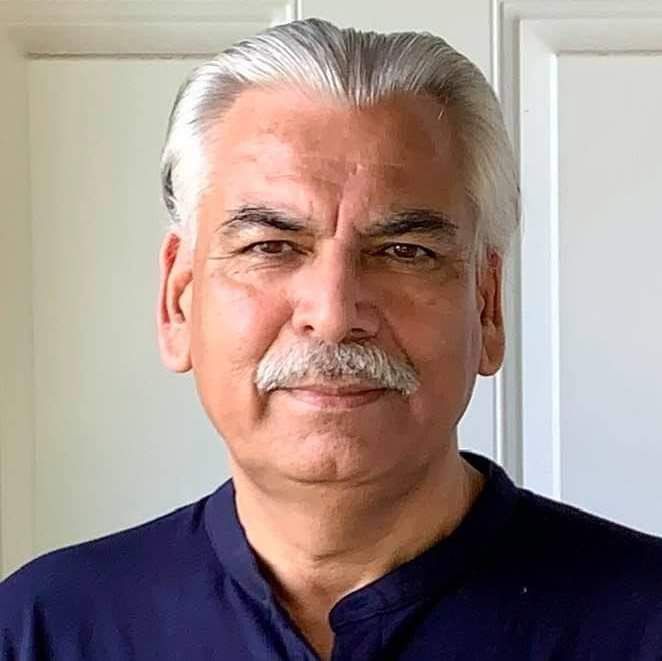
Barrister Usman Ali, Ph.D.
The daily bombings in Khyber Pakhtunkhwa, the deaths of law enforcement personnel and civilians, and the stories of destroyed homes no longer seem to be major news for our media. Insecurity has become so routine that reports of bodies, shattered markets, and ruined families appear briefly on screen: a ticker runs, a short report airs, and then some new scandal takes over. It feels as if the blood of Pakhtunkhwa’s people is no longer news, but background.
Across the province, targeted killings of religious scholars and political figures, suicide attacks on police stations, FC headquarters, and cantonments in Bannu and nearby areas, kidnappings of government employees, and countless acts of lawlessness have failed to shake the national conscience. The recent blast in Sarai Naurang bazaar, Lakki Marwat, met the same fate. Police personnel and civilians were killed, many were wounded, and an area was plunged into mourning. Yet the national media treated it like an ordinary item and moved on.
By contrast, around the same time, the arrest of a woman in Karachi on allegations of drug dealing, and her appearance in court without handcuffs, became breaking news across national and local media. Channels, talk shows, vlogs, and social media revolved around her all day. Anchors spread rumours and presented speculation as analysis. It was made to seem as if Pakistan had witnessed such an arrest for the first time, or as if no accused person had ever received protection from police or powerful circles.
The issue is not that the Karachi story was reported. If a story is important, it should be reported. The issue is why it received such attention that the Lakki Marwat blast, KP’s worsening security situation, loss of lives, sacrifices of the army and police, inflation, unemployment, and major international developments were pushed aside. Was one court appearance really so important that the bloodshed in an entire province had to be buried beneath it?
This is the central tragedy of Pakistani media. When the value of a story is determined by sensationalism, ratings, gossip, and clicks rather than public importance, journalism loses its soul. Journalism should question governments, give voice to the oppressed, and bring real issues to the centre of debate. When media turns public curiosity into a business model, screens show what sells, not what the nation needs.
Khyber Pakhtunkhwa has been in crisis for years. Terrorism, attacks on police, public fear, weak administration, and political neglect have become routine. Markets, police stations, checkpoints, and public places are attacked, yet no serious national debate follows. After each blast come statements, condemnations, a few tickers, and then silence. No one seriously asks why terrorism is resurfacing, why police lack resources, how victims’ families are supported, or what the provincial government’s priorities are.
The provincial government’s role is deeply disappointing. In a province where law and order are out of control, people live in fear, and security personnel are targeted almost daily, the government’s first duty should be protecting life and property. Instead, political leadership appears more interested in personalities, jail meetings, slogans, and speeches. When the Lakki Marwat blast took place, the provincial government should have stood with its people. Instead, the chief minister, along with cabinet members and assembly members, was outside Adiala Jail. Sadly, this has become routine.
The federal government, too, cannot escape responsibility. Law and order, inflation, unemployment, education, health, and public welfare are national issues, not merely provincial ones. The federation must treat Khyber Pakhtunkhwa’s situation as a national crisis. Yet no clear direction is visible. After every tragedy, we hear the same condemnations, investigations, and promises. People no longer want words; they want action, policy, and protection.
The public is not innocent in this decline. Media shows what people watch, discuss, share, and amplify. We quickly lose interest in terrorism, poverty, inflation, unemployment, education, health, police reform, and governance, but spend hours discussing arrests, scandals, rumours, and character assassination. Then we complain that the media does not show real issues. Our interests help shape media priorities. When a nation wants spectacle, the market sells spectacle.
This attitude is dangerous. Where the sanctity of human life fades, the collective conscience begins to die. The martyrs of Lakki Marwat were not numbers. They were someone’s sons, brothers, fathers, husbands, and providers. Behind them are grieving mothers, widows, orphaned children, and devastated families. Reducing them to a few moments of news and forgetting them is moral bankruptcy.
Leaving Khyber Pakhtunkhwa trapped in insecurity while excluding it from serious national debate is a grave injustice. This province is not on the margins of Pakistan; it is a brave and sacrificing part of Pakistan. Its people and police have made immense sacrifices despite limited resources. Its markets, homes, mosques, and streets have seen blood again and again. If there is no peace there, Pakistan cannot remain secure.
Media must examine its priorities. Not every sensational story is important, not every viral topic deserves national attention, and not every rumour is worthy of debate. News platforms should provide sustained coverage of terrorism, governance, police reform, inflation, unemployment, education, health, and public issues. News should be treated as a responsibility, not entertainment; debate should focus on policy, not personalities.
The public must also raise its standards. If we value serious issues, amplify affected families, demand answers from elected representatives, and refuse rumour-mongering, the environment can change. Nations are built on priorities, not spectacles.
The Lakki Marwat blast and the Karachi arrest force us to ask: are we a living nation or merely spectators? Has human death become routine? Is the insecurity of an entire province no longer a national issue? If so, the crisis is Pakistan’s collective conscience. The real explosion did not take place only in Sarai Naurang bazaar; it has already taken place within our priorities, journalism, politics, and collective indifference.
