
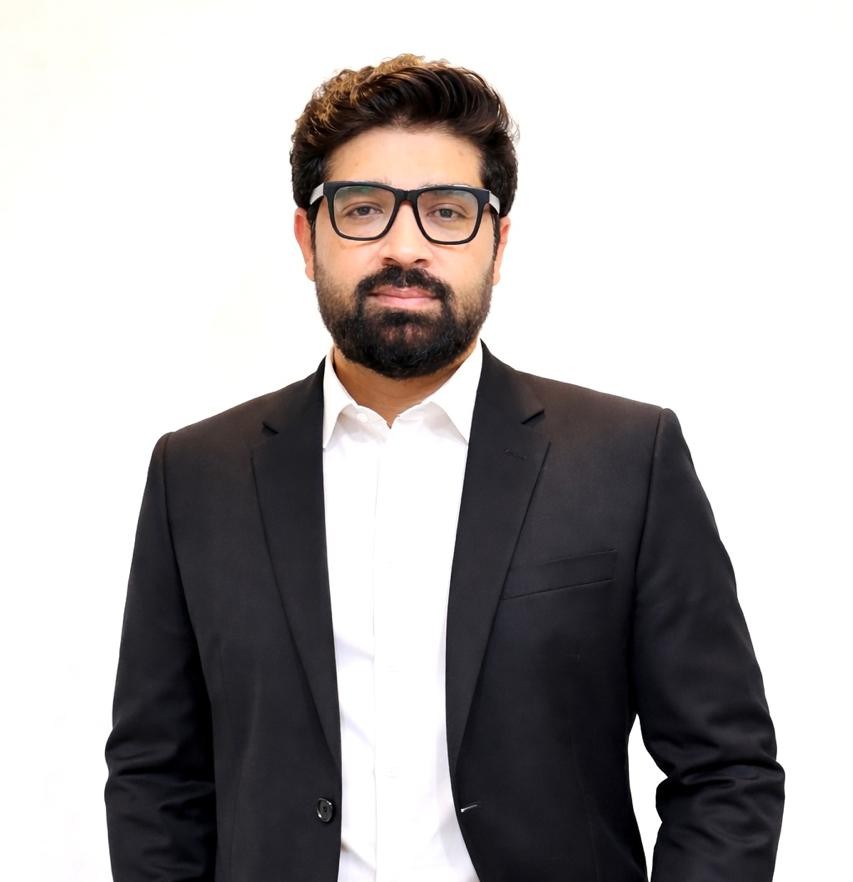
By Qamar Naseem
Steering Committee Member, Global South Coalition for Dignified Menstruation (GSCDM), Pakistan
For many boys across the world, the first lesson about menstruation does not come from a classroom, a book, or a meaningful conversation. It often comes through jokes, silence, discomfort, whispers, or ridicule. Boys learn very early that menstruation is something embarrassing, impure, or hidden rather than a natural biological phenomenon connected to human existence itself. These attitudes are shaped through social conditioning, unequal power relationships, and patriarchal norms that influence how men and boys understand bodies, dignity, gender, and participation in society.
This is why the conversation around dignified menstruation cannot remain limited to menstruators alone. It must also examine the role of men, masculinities, and the systems of power that continue to sustain menstrual discrimination across societies.
Across cultures and communities, menstruators continue to experience exclusion, humiliation, restrictions, and discrimination in homes, schools, workplaces, humanitarian settings, and public spaces. Yet public discourse around menstruation has largely remained confined to awareness campaigns, products, sanitation, or menstrual management. While these interventions remain important, they often fail to confront the deeper structural realities that normalize shame and inequality around menstruation. The conversation therefore needs to move beyond hygiene and toward dignity, equality, justice, and transformation.
This is precisely the vision advanced by the Global South Coalition for Dignified Menstruation (GSCDM), founded by Nepali nurse, author and activist Dr. Radha Paudel. GSCDM has emerged as a growing global movement advocating dignified menstruation as a decolonial, inclusive, human rights-based and life-cycle framework. The coalition challenges institutional, structural, interpersonal, and social oppressive systems affecting menstruators and works toward ensuring that menstruators of all identities live with dignity throughout their life cycle.
Unlike conventional approaches that focus narrowly on menstrual management, the dignified menstruation framework recognizes that menstrual discrimination is deeply connected with patriarchy, exclusion, unequal power relationships, and systemic inequality. It understands that menstrual discrimination is not simply a “women’s issue,” but a social justice concern that reflects how power operates within families, institutions, education systems, policies, workplaces, media narratives, and community structures.
One of the most significant recent developments in this movement was the adoption of the Kathmandu Declaration on Dignified Menstruation during the 7th International Dignified Menstruation Day Learning Conference held in Kathmandu, Nepal, in December 2025. More than 140 participants from 21 countries collectively recognized menstrual discrimination as a distinct and systemic form of discrimination rooted in patriarchy and unequal power relations. The declaration moved the discourse beyond awareness and reframed menstrual discrimination as a global human rights and gender justice issue linked with exclusion, sexual and gender-based violence, child marriage, climate vulnerability, and structural inequality. Importantly, the declaration also emphasized the urgent need to transform harmful masculinities through education, media, policy engagement, and collective social action.
This carries particular relevance in societies like Pakistan, where silence around menstruation remains deeply embedded within social and cultural norms. Menstrual discrimination is not sustained by menstruators alone; it is reinforced through institutions and social systems historically shaped by patriarchal attitudes. Boys are often socialized into emotional distance from conversations around menstruation and are encouraged to view the subject as shameful, weak, inappropriate, or something that should remain hidden from public discussion. Such attitudes later influence behavior in classrooms, workplaces, media institutions, policy spaces, and even within families.
When menstruation becomes a subject of mockery in schools, when male employers ignore menstrual dignity in workplaces, when policymakers exclude menstruation from education and health frameworks, or when fathers remain silent around menstrual conversations within homes, silence itself reinforces stigma and sustains unequal power relationships. Masculinity in many contexts continues to be associated with control, dominance, emotional suppression, and discomfort around care-related issues. As a result, many men are discouraged from engaging empathetically with conversations around menstruation despite the fact that these issues directly affect education, wellbeing, mobility, and participation for millions of menstruators.
The consequences of this silence are profound. Many menstruators avoid attending school during menstruation due to fear of embarrassment, teasing, or lack of dignified facilities. Women in workplaces often manage menstruation silently due to fear of judgment or discrimination. Menstruators living in poverty, disaster settings, or humanitarian crises face even greater exclusion and invisibility. Discussions around menstruation and menopause also remain largely absent from policy discourse despite their impact on health, dignity, and participation in public life.
In Pakistan, these realities remain deeply familiar. Despite growing awareness initiatives in recent years, menstruation continues to be surrounded by stigma and silence across many communities. Conversations around menstruation are often absent from homes and schools, while boys are rarely included in menstrual education initiatives despite the fact that they later become teachers, employers, policymakers, journalists, religious leaders, and decision-makers. Excluding boys from these conversations creates generations of men who inherit silence rather than understanding.
Without engaging men and boys, efforts toward dignified menstruation remain incomplete. Sustainable transformation requires rethinking how masculinities themselves are constructed and understood. It requires creating generations of boys and men who do not associate menstruation with shame, impurity, weakness, or exclusion, but with dignity, equality, and shared humanity. This is where male allyship becomes essential, not as charity or symbolic support, but as accountability and social transformation. Allyship in the context of dignified menstruation requires men to critically reflect on the social conditioning that normalizes silence around menstruation and to actively challenge discriminatory practices, exclusionary behavior, and harmful stereotypes within their homes, institutions, and communities.
Educational institutions are among the most important spaces for transformation. If boys are included in conversations around dignified menstruation from an early age, future generations will be less likely to reproduce stigma and discrimination. Media also carries enormous influence. Television dramas, films, journalism, social media campaigns, and digital platforms can either reinforce stereotypes or help normalize respectful and informed dialogue around menstruation. Religious leaders, community elders, educators, and policymakers likewise hold significant influence in shaping public attitudes around dignity, inclusion, and gender roles. Their engagement can contribute meaningfully toward dismantling discriminatory attitudes and encouraging more compassionate public discourse.
The dignified menstruation framework also recognizes the experiences of transgender persons, persons with disabilities, elderly menstruators, and marginalized communities who are often excluded from mainstream menstrual discourse. It further demonstrates why dignified menstruation must be understood not as a narrow health concern, but as a cross-cutting human rights and justice issue connected with education, labour rights, climate justice, humanitarian response, and social inclusion.
The Kathmandu Declaration’s call to recognize the 14th day of the global 16 Days of Activism Against Gender-Based Violence as International Dignified Menstruation Day is therefore particularly significant because it reinforces that menstrual discrimination cannot be separated from broader struggles against inequality, violence, and exclusion.
For Pakistan, this presents an important opportunity. Government institutions, Women Commissions, educational authorities, media organizations, civil society alliances, and youth movements can play transformative roles by integrating dignified menstruation into policy, advocacy, education, and public discourse. Boys and men must also be intentionally included in these conversations, not as passive observers, but as partners in social transformation.
Ultimately, the struggle for dignified menstruation is also a struggle for healthier masculinities, equal power relationships, and more humane societies. It asks men and boys to move beyond silence and discomfort toward empathy, accountability, and solidarity. Menstrual dignity will remain incomplete until masculinity itself is reimagined through the lens of equality, inclusion, and human dignity.
