
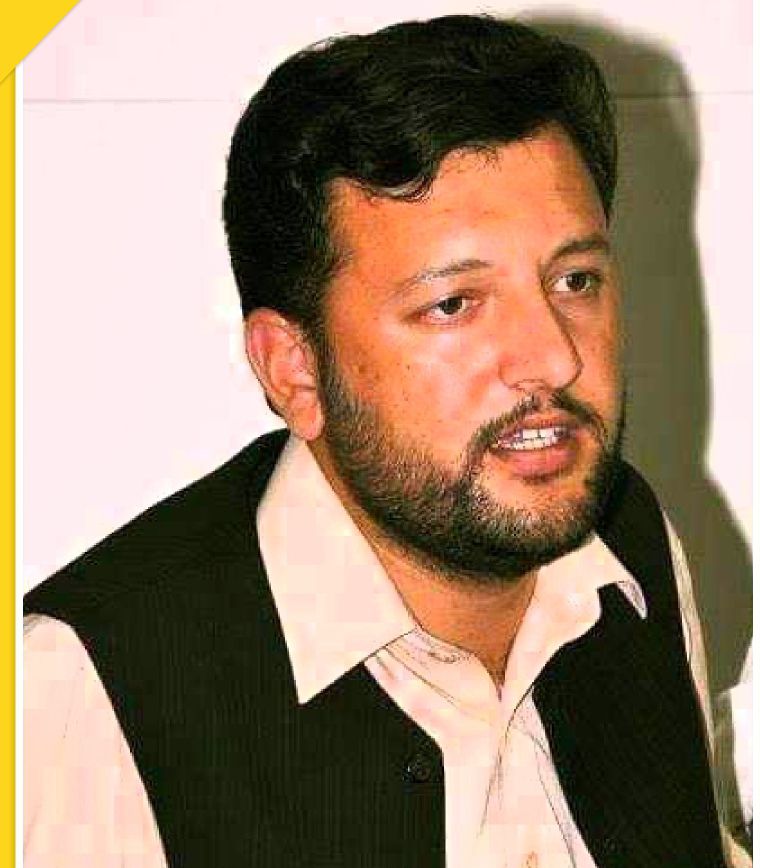
By:Mairaj ul Hamid Nasri
Khyber Pakhtunkhwa; the unfortunate province that has always been vulnerable to delicate issues in the neighborhood and domestic religio-political and socio-economic challenges. Geographically the province of KP is located at such an advantageous location that can prove as a real asset to stabilize economy of Pakistan through transit route for trade to Afghanistan, Central Asia onto Europe, provided that the security situations are favorable for economic activity and the people of the locality are given peaceful environment.
Since the inception of Pakistan in 1947: the trial belt or erstwhile FATA and the areas adjacent to the belt have persistently tested the atrocities of the geo-political tensions aroused with the passage of time. At first, the issue of border recognition, irredentist claims of Afghanistan over the then North West Frontier Province (NWFP) now KP, and then the politico-religious issues of supporting specific groups across the border, persistent cross border smuggling of goods, and illicit drugs trade have significant impacts over the lives of these areas. Moreover, the invasion of Afghanistan by the red army of USSR and consequent launching of Afghan Jihad brought the region to an environment dominated by arms, war lords and economy of chaos and anarchy spread its roots deep inside the society. The withdrawal of USSR should have been managed skillfully and the impacts of war should have been minimized by the stakeholders but the case went the other way and the regional environment was dominated by chaos and anarchy. Here, the state of Pakistan being faced with huge burden of refugees, and unstable political situations in Afghanistan tried to stabilize it through every possible manner, yet the consequent civil war, dominance of warlords and entry of the Taliban into the scenario brought new challenges for stabilizing the situations in the areas adjacent to the border. Arms culture started flourishing in the region and was glorified unfortunately. The destabilized arena was further deteriorated with US invasion in the revenge of 9/11 incidents, that brought everlasting impacts on the domestic, neighboring, regional and global environment. Afghanistan and the tribal belt of KP became the havens for militants which blurred the prospects for restoring peace and stability in the region. New Great Game was started in the region and the unfortunate areas of Pakistan were on the verge of collapse once again. Great powers, regional actors and arch rivals utilized their resources and mobilized their respective sleeper cells for achieving their vicious vested interests that brought colossal damages to the socio-economic and religio-political fabric of the region and locality.
Now, after five decades of instability and anarchic situations, the neighborhood in Afghanistan got its government and is gradually moving towards stability, but the unfortunate region of KP is still searching for a way out to deal with the menace of militancy, instability and cross border terrorism. The political circles, law enforcement agencies, para military and border security forces are in an ambiguous and cloudy situation. They are facing the threat that cannot be countered clearly because of multiple factors. Internally, due to many military operations in the region against the militants, the atrocities faced by the civilians and unclear approach of the policy circles created a huge gap between the state and the citizens of the region. An unending Blame Game started between them that converted to protests and propaganda campaign against the state. People became disappointed from their respective political parties and started searching for alternatives that could fulfill their genuine demands from the state.
Being unsatisfied with the state narrative and unclear policy, various groups started organizing themselves against the state and opted for multiple options to counter state narrative and activities. They alleged their rulers and state for harboring militants and supporting certain groups for achieving its goals and objectives. To ensure their existence and achieve their targets, the militants moved to other side of the border, regrouped and launched cross border attacks against the state of Pakistan. Pakistan tried to pacify them and started multiple initiatives to resolve the issue through negotiations. Nevertheless, due to many issues of distrust and support from other rivals, the issues remain unresolved. The militants are harbored by the Afghan Taliban and time and again target Pakistan’s territory. They have reorganized themselves in the southern parts of KP, launched many attacks on state instalments, police and military forces, and have abducted many government officials in the last few months. The state showed high level of tolerance but the situations went out of control and announced another operation titled as “Azm e Istihkam”. Similarly, the state faced the issue of social uprising in the name of PTM in the southern part of KP at first and then the movement spread over to mainstream areas that caused further turmoil and turbulence. The government of KP; already in political struggle with the federal government over their jailed leader and other political issues, paid little heed to the deteriorating situations and the security issues remained unattended. Security issues and law and order situations remained little focused areas that provided game spoilers and militants ample opportunities to accomplish their goals and implement their vested agendas. No go areas have been created, the sunni-shia conflict intensified in Kurram agency to an extent that hundreds of lives have been claimed and even governor and chief minister couldn’t go over there. Cases of extortion and kidnapping for ransom have been reported on daily bases in these regions. The law enforcement agencies are in continuous struggle to control the situations but in vain. Launching of operation Ghazab Lilhaq against TTP and Fitna e Hindustan inside Afghanistan in the first half of the current year has undoubtedly hit targets and brought a pause in the cross-border attacks, but as soon as Pakistan weighed its feathers for flying in the diplomatic arena through negotiating US-Iran war settlement; the menace of militancy once again surged in the southern KP. The wheel of diplomatic triumphs should roll forward and translate them into collective domestic development.
The way forward for dealing with this menace is to opt for clear cut state narrative, removing ambiguities in the state policies, engaging stakeholders, practicing and respecting local norms and values, ensuring due constitutional and political rights to the citizens across the board, promoting economic activity in the region, and last but not the least negotiate and resolve the cross-border issues with the Afghan government. The politicians, publicly elected representatives, bureaucracy, military and law enforcement agencies should come to one point agenda meeting; bringing permanent end to the game that started in the early 70s and moving ahead with clear headed approach of one country and one policy implemented through no gap between theory and practice. The country and the region have seen many experiments and the policy makers should have learned enough lessons that could now be utilized for moving forward with approach of one unit, one nation, single policy, clear narrative and similar policy for all. No foreign agendas will find space here after and the area; KP, that is strategically an asset for the country will be utilized as per its significance for linking the country to the new economic and strategic avenues in the neighborhood and the region. It’s the era of geo-economics and the region is economically at advantageous position thus regional connectivity and economic prosperity is only possible when this area is peaceful and stable in every aspect. States learn from their mistakes and utilize their experiences for the upcoming generations in policy making and implementation. Only then the deteriorated situations can be turned into peaceful and serene environment.
The author can be reached at mairajulhamid717@gmail.com.
