
Amjad Hadi Yousafzai
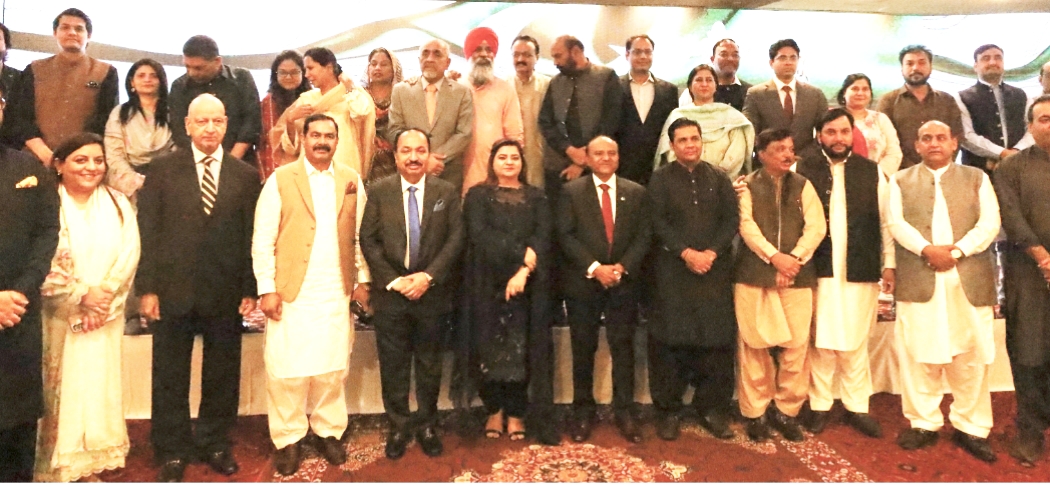
Lahore: A two-day national consultation concluded in Lahore with renewed momentum behind proposed reforms to Christian Personal Laws, as civil society organisations, government representatives, and minority rights advocates called for an end to years of legislative delay and stronger legal protections for vulnerable groups.
The consultation was jointly convened by a coalition of seven human rights and development organisations in collaboration with the National Commission on the Status of Women and minority rights activists. The coalition included the National Lobbying Delegation (NLD), Society for Human Equality and Empowerment, Baithak, Community World Service Asia, Peace and Development Foundation (PDF), District Development Association Tharparkar (DDAT), and Be The Change.
During the second and concluding day, a series of panel discussions focused on institutional roles in advancing reform, as well as the contributions of media, academia, and civil society in shaping public discourse on minority family laws.
Chairperson of the National Commission on the Status of Women, Noreen Bano Lehri, stressed that legal reforms must be grounded in human rights principles, stating that all faiths reject violence against women and that collective efforts are required to strengthen tolerance and justice in society.
Former One-Man Commission for Minority Rights head Dr. Shoaib Suddle highlighted the long-standing legal stagnation, arguing that the issue is fundamentally about human rights rather than procedural debate, and calling for timely, practical reforms to ensure equal opportunities for minorities.
Human Rights Commission of Pakistan (HRCP) Director Farah Zia underscored disparities in legal protections, noting that minority communities continue to lack comprehensive safeguards comparable to those available to the majority, while urging rights-based legislative urgency.
Punjab Assembly Member Rahila Khadim reiterated that governments must legislate in the broader public interest, even when facing societal or religious resistance.
A second panel examined the role of media and academia in strengthening advocacy efforts. Media representative Tamseela Chishti noted that legal reform is often mischaracterised as a purely religious issue, while expressing support for increased visibility of minority rights concerns in public platforms.
Dr. Maryam Ehsan, Research Fellow at IDEAS Pakistan, highlighted growing awareness and civic mobilisation around minority rights, stating that reducing unnecessary legislative barriers could accelerate meaningful progress.
The consultation’s central objective remained the urging of the federal government to break nearly a decade of legislative deadlock and advance the draft Christian Personal Laws reform bill, pending since 2017.
Concluding the event, Sindh Assembly Deputy Speaker Anthony Naveed reaffirmed his commitment to supporting the bill’s passage in the provincial assembly in the coming months, describing it as a positive step toward legal protection and justice for minority communities.
Discussions throughout the consultation also focused on strengthening legal safeguards for women and children in key areas including marriage validity, divorce, maintenance, guardianship, and inheritance, while identifying strategic pathways to build political consensus for long-awaited reforms.
