
PROVINCE REPORT
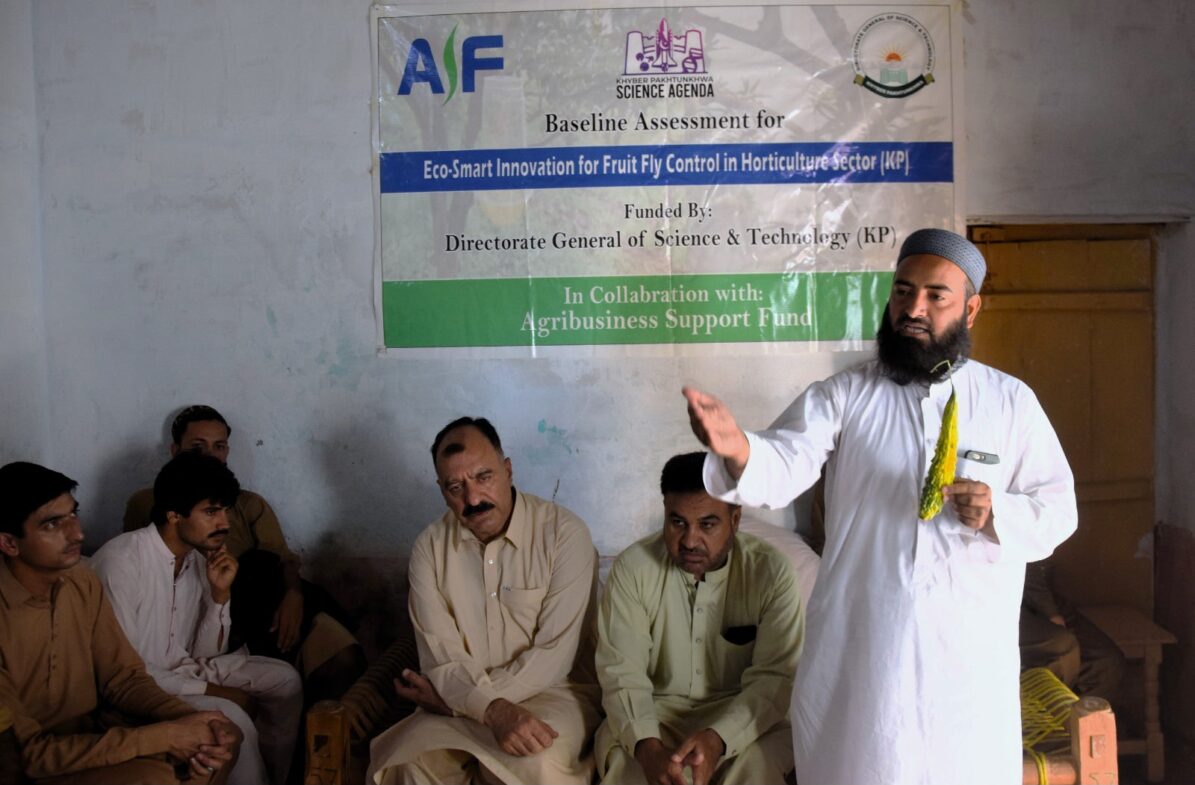
CHARSADDA: ASF Organizes One-Day Workshop and Distribution Ceremony for Bitter Gourd Farmers in Charsadda, Khyber Pakhtunkhwa. ASF, in collaboration with the Agriculture Department, successfully organized a one-day workshop and distribution ceremony. The event aimed at enhancing the capacity of local bitter gourd (karela) farmers through climate smart agricultural practices and innovative crop protection techniques.
The event was attended by approximately 50 farmers and was conducted in two separate sessions, with 25 participants in each session. During the training sessions, experts provided practical guidance on farming methods, including holistic practices that restore soil health, scientific cultivation techniques, increasing biodiversity and adapting food systems to climate change while improving crop productivity.
Special stress was placed on seasonal diseases affecting bitter gourd crops and the challenges posed by climate change. Participants were educated on preventive measures against insect infestations and other threats that can significantly reduce crop yields.
The Specialists from the Agriculture Department and ASF introduced farmers to affordable and effective technologies developed through recent research. Among the key innovations presented was a cost-effective and high-quality “Fruit Fly Trap,” designed to protect bitter gourd crops from fruit fly attacks.
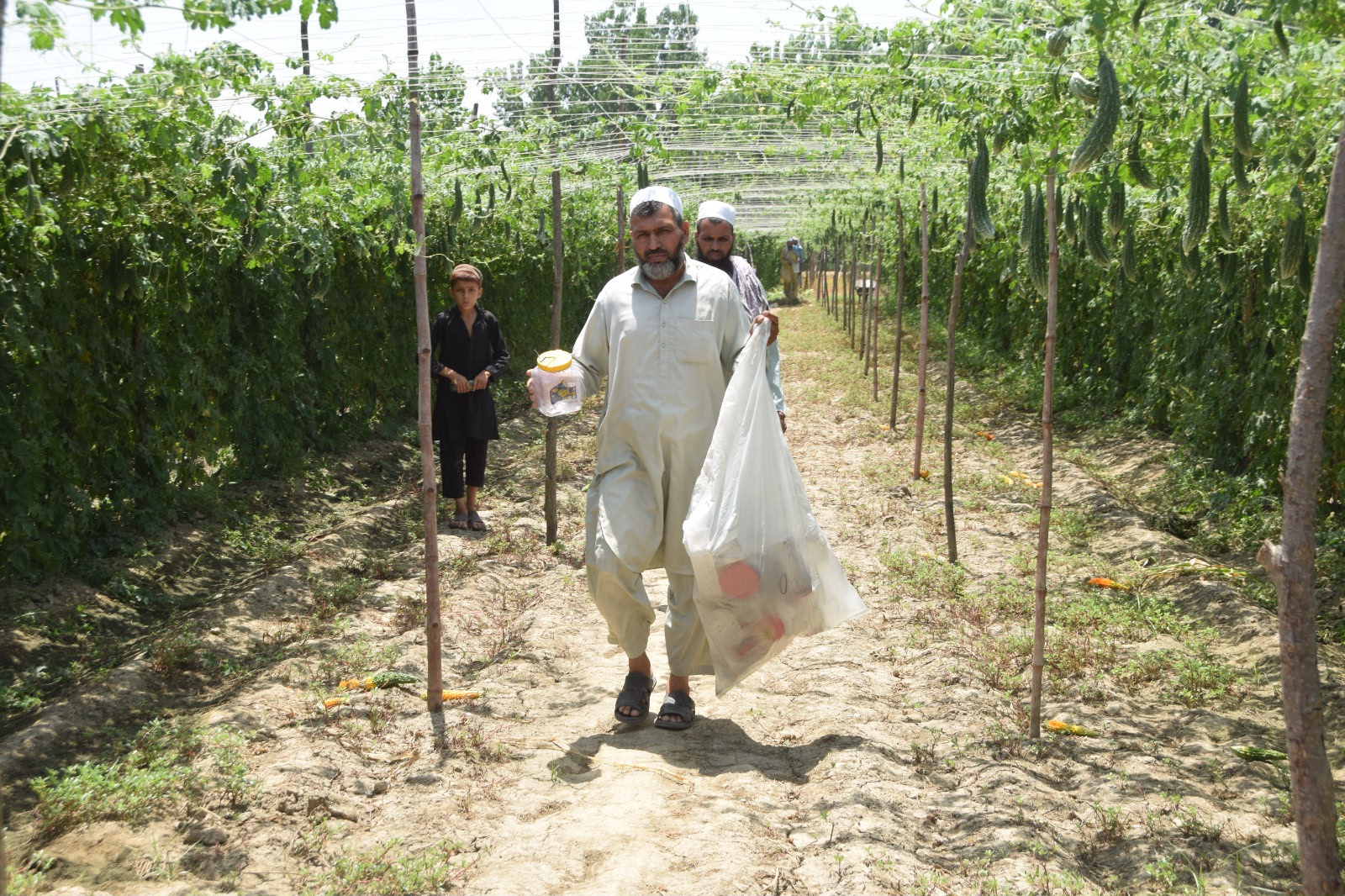
The researchers noted that fruit fly traps have traditionally been expensive and inaccessible for many small-scale farmers. However, through collaborative research efforts, a more affordable solution has now been developed and made available to growers.
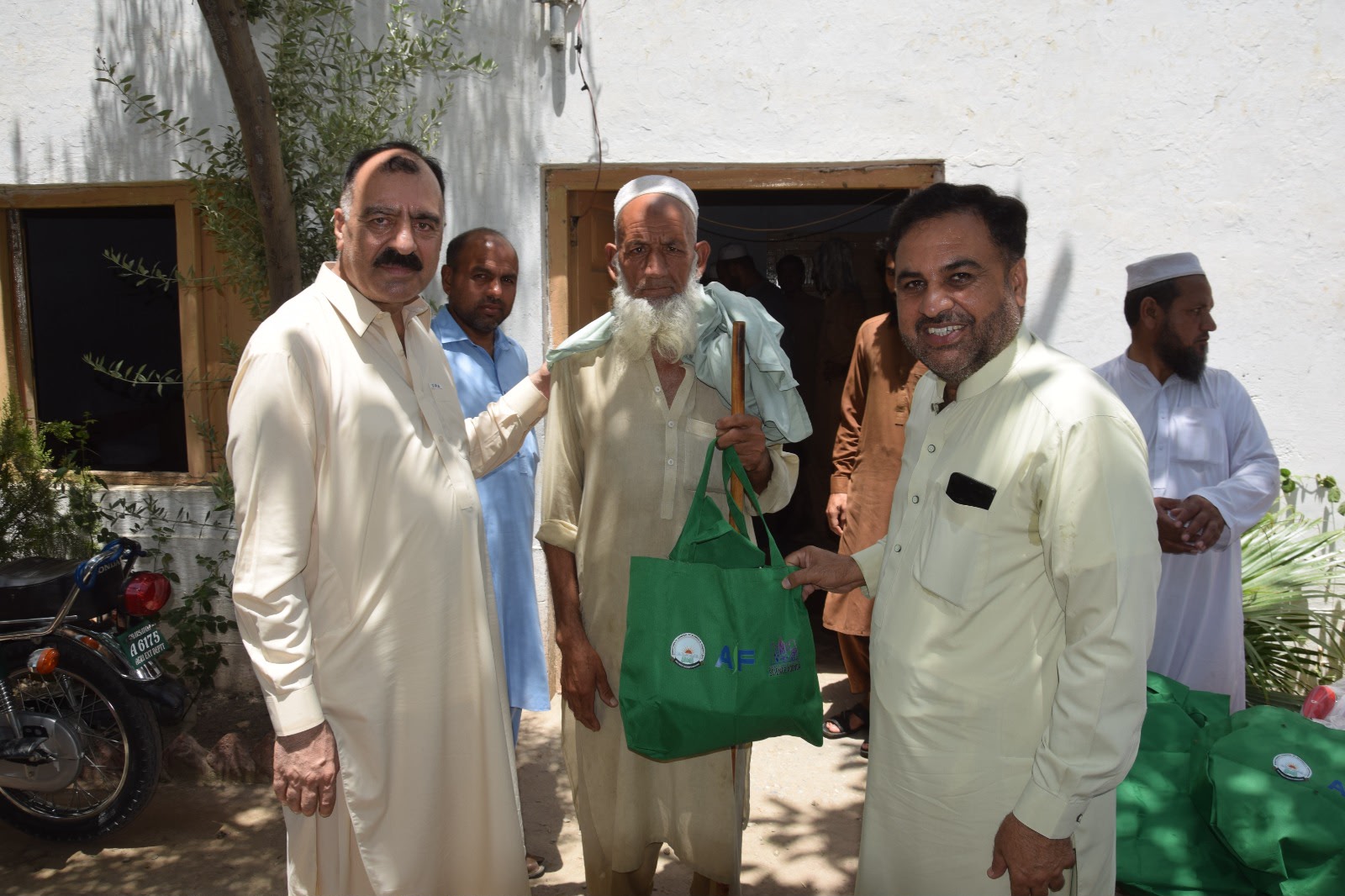
At the conclusion of the event, ASF distributed fruit fly traps, free of cost among participating farmers. The beneficiaries expressed satisfaction with the initiative and appreciated the practical support, stating that the technology would help protect their crops from damage and improve agricultural productivity.
ASF reaffirmed its commitment to supporting farming communities through knowledge-sharing, innovation, and sustainable agricultural development initiatives.
