
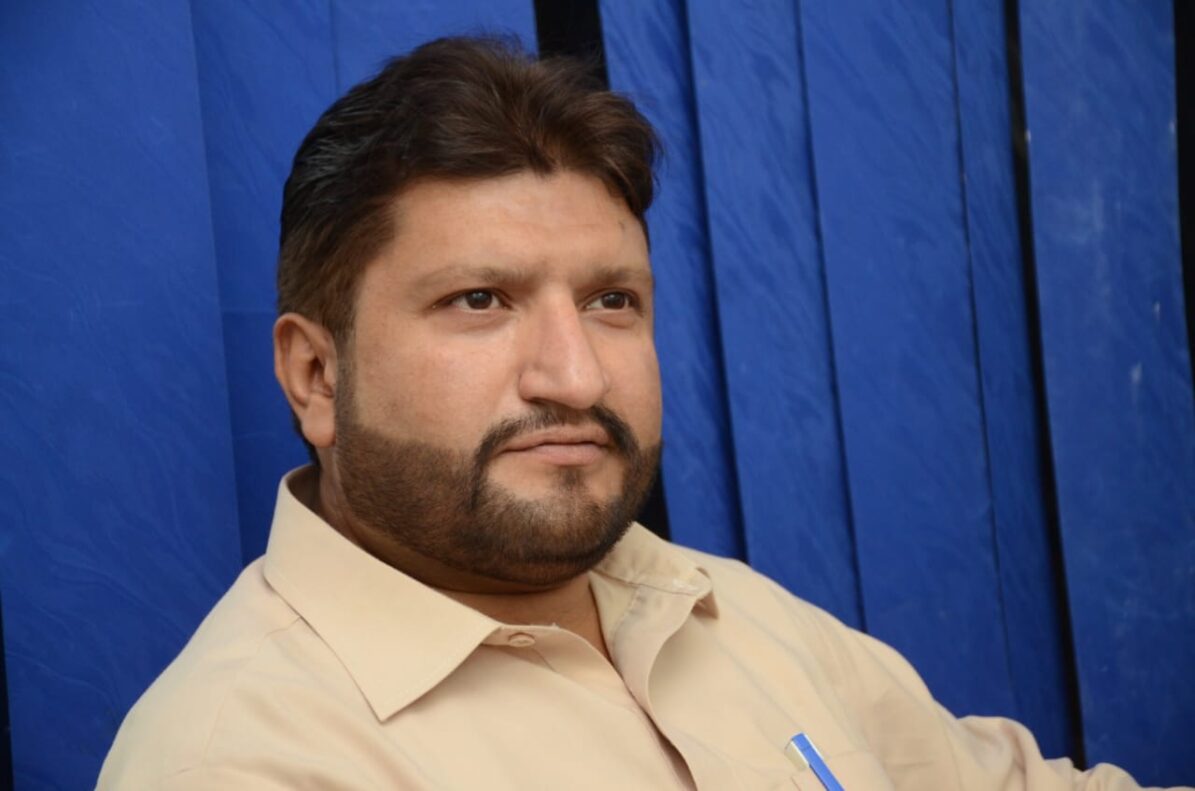
Amjad Hadi Yousafzai
Child protection is a comprehensive concept aimed at ensuring that every child is provided with a physically, mentally, emotionally, and socially safe environment. It is not merely a legal or institutional matter but also a moral, social, and humanitarian responsibility. A society where children are safe is the one that ensures progress, stability, and a brighter future. Child protection does not only mean shielding children from abuse or violence; it also involves providing them with an environment where they can confidently develop their abilities.
Child protection refers to safeguarding children from all forms of violence, exploitation, abuse, neglect, forced labor, and psychological pressure. It also includes ensuring their basic rights such as education, healthcare, proper upbringing, and mental well-being. In today’s world, children face numerous challenges including domestic violence, harassment in schools, child labor, online threats, and various social issues, which makes this topic even more significant.
In this regard, various governmental and non-governmental organizations are running awareness campaigns aimed at educating parents, teachers, and the general public about children’s rights and protection. Child protection committees are active at different levels, addressing complaints and ensuring timely action. Similarly, seminars and workshops are being conducted on a continuous basis to raise public awareness and encourage people not only to understand the issues but also to contribute to their solutions. However, these efforts cannot yield full results unless the public itself takes responsibility.
At the public level, every individual has the responsibility not only to ensure the safety and proper upbringing of their own children but also to remain vigilant about their surroundings. In case of any abuse, exploitation, or mistreatment of a child, staying silent is not an option; reporting it to the relevant authorities is a social duty. Silence often empowers perpetrators, making collective awareness extremely important.
Local government representatives play a vital role in this regard as they can contribute to policy-making at the community level, provide facilities, improve recreational spaces, and help create a safe environment. Journalists act as the eyes and ears of society, highlighting children’s issues and bringing them to the attention of authorities. Lawyers provide legal support to ensure justice for affected children and also contribute to legal reforms. The police are the frontline institution responsible for preventing crimes against children and taking immediate action when such cases arise.
Social workers serve as the backbone of the child protection system. They work in the field to identify affected children, report cases to relevant authorities, and assist in rehabilitation processes. They often operate in areas where government reach is limited, making their role crucial in strengthening child protection efforts.
Religious scholars also play a significant role as they use sermons and religious teachings to raise awareness about children’s rights, kindness towards children, and protection from injustice. From a religious perspective, treating children with compassion, fairness, and care is a fundamental principle, and scholars can help promote these values in society.
Healthcare professionals are equally important in the child protection system. Doctors, nurses, and paramedical staff often come into contact with children who may be victims of abuse or neglect. It is their responsibility to identify such cases, provide medical and psychological care, and report them to the relevant authorities. The health sector plays a key role in the physical and mental recovery of children.
There is a strong need to ensure that workshops and seminars are not occasional activities but rather a continuous and structured process. These initiatives should be extended to rural, semi-urban, and underprivileged areas so that awareness reaches every segment of society. Without continuity, the goals of child protection cannot be fully achieved.
In conclusion, child protection is not the responsibility of a single institution but a shared duty of the entire society. Only when every individual, institution, and sector fulfills its role responsibly can we build a safe, aware, and progressive society where every child lives a secure, dignified, and hopeful life.
