
PROVINCE REPORT
PESHAWAR: Hamza Foundation Chairman Ijaz Ali Khan has urged the Khyber Pakhtunkhwa government to immediately introduce a Thalassemia Prevention Law in the provincial assembly similar to Punjab’s “Thalassemia Prevention Bill 2025” to control the growing spread of the hereditary disease in the province, especially in the merged districts.
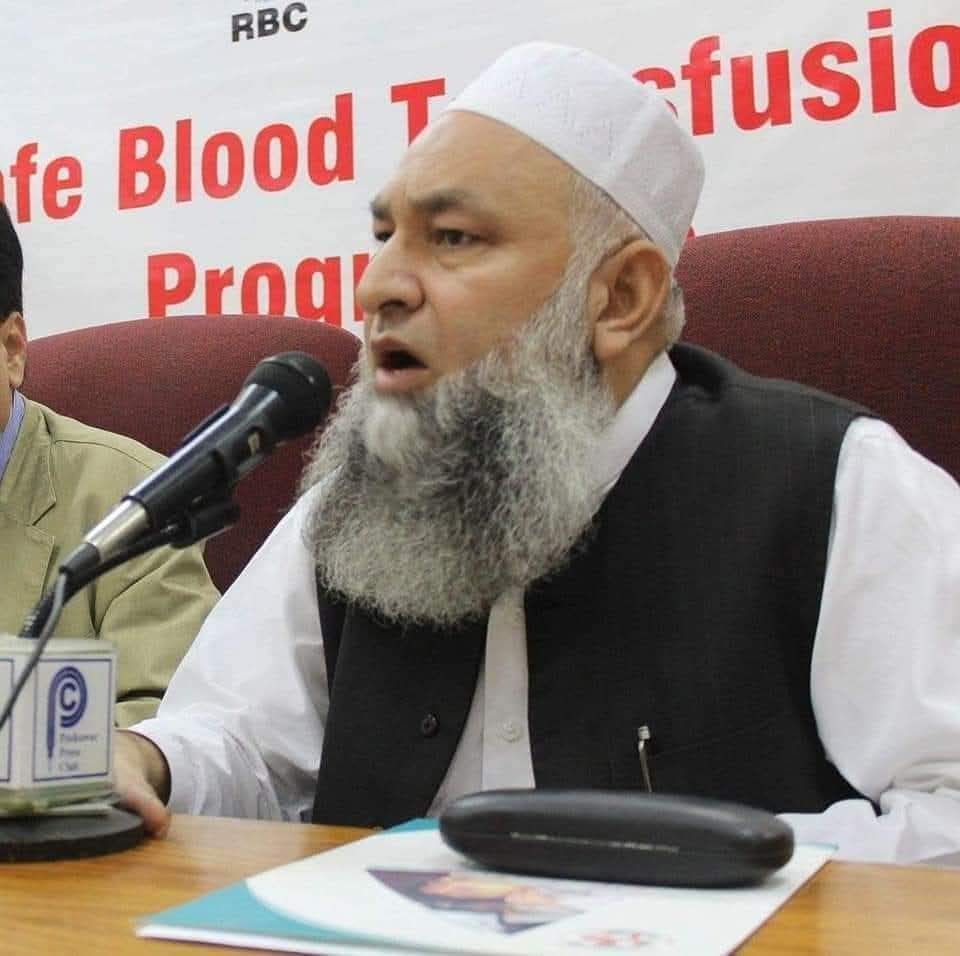
He expressed these views while addressing a press conference at the Peshawar Press Club on Thursday in connection with World Thalassemia Day 2026. President of the Peshawar Press Club M. Riaz and senior journalist Shamim Shahid were also present on the occasion.
Ijaz Ali Khan said that around 60,000 thalassemia patients are currently living in Pakistan, while nearly 25,000 Thalassemia Major patients are registered in Khyber Pakhtunkhwa. He stressed the need for immediate preventive measures and demanded mandatory thalassemia screening tests for male and female students at the time of admission in educational institutions.
He said the global prevalence rate of thalassemia is around 1.5 percent, whereas in Pakistan it ranges between 5 to 8 percent. He added that Hamza Foundation has so far provided 107,480 fully screened and germ-free blood bags to patients suffering from thalassemia and other blood disorders.
Explaining the disease, Ijaz Ali Khan said thalassemia is a hereditary blood disorder passed from parents to children. Patients suffering from Thalassemia Major cannot naturally produce red blood cells and therefore require blood transfusions every 15 to 20 days throughout their lives.
He emphasized that children are the future of every nation and protecting them from hereditary diseases like thalassemia is not only the responsibility of welfare organizations but also of governments and society as a whole.
Ijaz Ali Khan appealed to the public to undergo thalassemia screening before cousin marriages and stressed that Hemoglobin Electrophoresis testing before marriage is essential to protect future generations from the disease.
According to survey findings shared during the press conference, thalassemia is rapidly spreading in Pakistan due to marriages among close relatives, including 60 percent first-cousin marriages, 15 percent second-cousin marriages, and 15 percent marriages among other close relatives.
He noted that Pakistan is among the countries most affected by thalassemia, with nearly 5,000 children born annually with Thalassemia Major, while around 10 million people are carriers of Beta Thalassemia Minor.
Ijaz Ali Khan further said that if patients receive proper medical care, including timely screened blood transfusions, iron medicines, and regular medical checkups, they can live up to 50 to 60 years.
Highlighting the services of Hamza Foundation, he said the organization has been working since 2006 for patients suffering from thalassemia, hemophilia, and other blood disorders by providing free screened blood, iron medicines, and meals.
He added that over the last 20 years, Hamza Foundation has become a symbol of hope for patients across Khyber Pakhtunkhwa and the merged tribal districts. As of April 3, 2026, a total of 1,571 patients have been registered with the foundation, including 1,357 thalassemia patients.
In conclusion, Ijaz Ali Khan appealed to the provincial government to provide Hamza Foundation with a suitable government building in the city so that poor and deserving patients could receive treatment more easily. He said the current rented building costs Rs300,000 per month, which could otherwise be utilized for patient welfare.
He also appealed to philanthropists and the public to support Hamza Foundation in its humanitarian mission to help build a healthier society free from thalassemia in Pakistan, particularly in Khyber Pakhtunkhwa.
