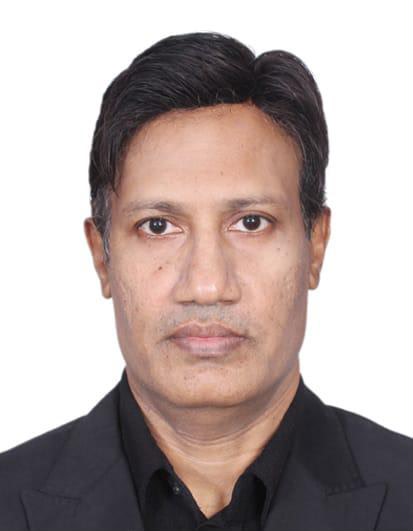
By Junaid Qaiser
In a world often marked by conflict, distrust, and geopolitical tensions, diplomacy doesn’t usually grab the headlines like war does. But it’s often the quiet, patient, and persistent efforts of diplomacy that keep crises from turning into disasters. Pakistan’s recent outreach to Iran serves as a reminder that constructive diplomacy is one of the most effective tools for countries aiming to maintain stability in an increasingly unpredictable environment.
The recent visit by Interior Minister Mohsin Naqvi to Tehran, where he delivered a message from Chief of Defence Forces Field Marshal Asim Munir to Iran’s leaders, comes at a particularly delicate time. The United States and Iran are stuck in a challenging dialogue that seems to create more confusion than clarity. Even though both sides publicly express a commitment to negotiations, they seem far from achieving a comprehensive agreement on crucial matters like sanctions, nuclear enrichment, and regional security.
Against this backdrop, Pakistan’s efforts to facilitate communication and keep diplomatic channels open deserve attention. Islamabad has traditionally maintained cordial relations with both Tehran and Washington, a position that places it in a unique position to encourage dialogue at a time when mistrust threatens to overwhelm diplomacy.
The significance of Mohsin Naqvi’s signals Pakistan’s willingness to play a constructive role in reducing tensions that could have far-reaching consequences for the broader region. The Gulf, the Strait of Hormuz, and the wider Middle East remain strategically vital not only for regional countries but also for the global economy. Any escalation involving Iran and the United States would carry implications far beyond their borders.
What makes the current situation particularly delicate is the growing complexity of the issues involved. The disagreements are no longer confined to Iran’s nuclear programme. Questions relating to sanctions, regional influence, maritime security, and developments in Lebanon have become intertwined, making a diplomatic solution far more difficult to achieve. Every military incident risks undermining months of painstaking negotiations.
Pakistan appears to understand this reality. Rather than positioning itself as a power broker, Islamabad has sought to act as a facilitator—a role that often requires discretion more than publicity. The objective is not to impose solutions but to create opportunities for dialogue where direct engagement becomes difficult.
This approach reflects a broader evolution in Pakistan’s foreign policy. In recent years, Islamabad has increasingly emphasized regional connectivity, economic cooperation, and diplomatic engagement. While security challenges remain significant, there is growing recognition that sustainable peace cannot be achieved through military means alone. Dialogue, however frustrating and slow, remains indispensable.
The international acknowledgement of Pakistan’s mediation efforts is also noteworthy. Both Tehran and Washington have publicly appreciated Islamabad’s role, while several European countries have expressed support for initiatives aimed at preventing further escalation. Such recognition highlights Pakistan’s potential as a responsible regional stakeholder capable of contributing to international peace efforts.
Equally interesting is the timing of Lebanese Army Commander General Rodolphe Haykal’s visit to Pakistan. Officially focused on military cooperation and institutional engagement, the visit inevitably attracts attention because of Lebanon’s growing relevance to wider regional dynamics. Lebanon has increasingly become part of broader discussions concerning regional security, and developments there continue to influence diplomatic calculations across the Middle East.
The convergence of these diplomatic and military engagements underscores an important reality: regional stability is interconnected. Events in Tehran, Beirut, Washington, or the Gulf cannot be viewed in isolation. Decisions taken in one arena often reverberate across others, creating challenges that demand coordinated and thoughtful responses.
The success of these efforts will ultimately depend on whether the parties involved remain committed to negotiations despite their differences. The road to a lasting agreement between the United States and Iran remains uncertain, and setbacks are inevitable. However, history has repeatedly shown that even the most entrenched disputes can move toward resolution when channels of communication remain open.
At a time when military tensions continue to test the limits of diplomacy, Pakistan’s engagement offers a valuable lesson: peace is rarely achieved through dramatic gestures. More often, it is built through steady, patient efforts to keep adversaries talking when the easier option is to walk away.
In an era marked by geopolitical turbulence, that may be one of the most important contributions any country can make.