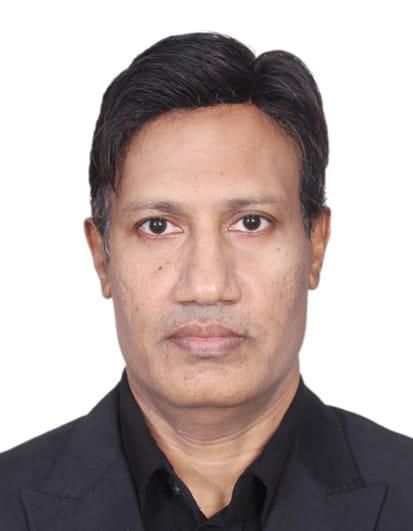
By Junaid Qaiser
Pakistan stepped up diplomatic efforts on Thursday to hasten US and Iran peace talks, as Tehran said it was reviewing Washington’s latest responses, and US President Donald Trump suggested he could wait a few days for “the right answers” from Tehran but was also willing to resume attacks on the country. The developments reveal something far more important: Pakistan is quietly emerging as one of the few states capable of keeping communication alive between two bitter adversaries standing dangerously close to another confrontation.
At a moment when threats dominate headlines and mistrust shapes nearly every regional calculation, Islamabad’s role as a diplomatic intermediary has become increasingly significant. Iran’s confirmation that messages are continuing to pass through Pakistani channels shows that both Tehran and Washington still see value in mediation, even while publicly hardening their positions.
This matters because the current crisis extends far beyond Iran and the United States. The Strait of Hormuz remains one of the world’s most sensitive energy chokepoints, global oil markets remain unstable, and fears of a wider regional conflict continue to unsettle international politics. Another direct military escalation would not only destabilize the Gulf but also intensify economic pressures worldwide.
In this tense environment, Pakistan’s diplomatic engagement reflects a broader strategic calculation that regional stability is directly tied to Pakistan’s own economic and security interests. Islamabad understands that a prolonged Iran-US confrontation would have severe consequences for South Asia, the Gulf and global trade routes.
Iranian Foreign Ministry spokesman Esmaeil Baghaei’s remarks that Tehran is reviewing the latest American response “based on the original text of Iran’s 14 points” indicate that negotiations remain alive despite hostile rhetoric from both sides. Diplomacy in such crises rarely progresses through dramatic breakthroughs. More often, it survives through slow, difficult exchanges carried out away from cameras and political grandstanding.
Unlike many regional actors, Pakistan still maintains functional relations with Tehran while also preserving working ties with Washington and the Gulf monarchies. Few countries can simultaneously engage all sides without being viewed entirely through the lens of rivalry or ideological alignment. Islamabad’s ability to maintain that balance has now become one of its most valuable diplomatic assets.
President Donald Trump’s recent statements underline how fragile the situation remains. His warnings that the United States is prepared for further military action if negotiations fail are clearly designed to pressure Tehran into concessions. At the same time, Iranian officials and the Revolutionary Guards continue issuing threats of broader retaliation should attacks resume. The atmosphere remains combustible, and one miscalculation could unravel the ceasefire efforts entirely.
Pakistan’s mediation efforts are also gradually reshaping its international image. For much of the past decade, Islamabad often appeared diplomatically defensive, preoccupied with internal instability and regional isolation. But the current moment presents a different picture. Pakistan is attempting to project itself as a responsible regional stakeholder capable of contributing to conflict management rather than merely reacting to crises created by others.
The visit of Interior Minister Mohsin Naqvi to Tehran reinforces this perception. His meetings with Iranian officials come at a sensitive moment, reflecting sustained engagement rather than symbolic diplomacy. Similarly, Pakistan’s efforts in securing the release and return of Iranian sailors stranded after their vessel’s seizure in Singapore waters further contributed to building trust between the two neighbours.
Still, the diplomatic landscape remains extremely complicated. Gulf states continue to harbour deep mistrust toward Tehran. The recent remarks by UAE Presidential Adviser Anwar Gargash criticizing Iranian behaviour demonstrate that Arab concerns about Iran’s regional ambitions remain unresolved. Pakistan therefore faces the difficult challenge of maintaining credibility with all parties while avoiding the impression of taking sides.
Whether these negotiations ultimately produce a lasting agreement remains uncertain. But one thing is already becoming clear: Islamabad is no longer acting merely as a spectator to Middle Eastern crises. It is increasingly positioning itself as a relevant diplomatic player in one of the world’s most dangerous geopolitical confrontations.
In an era defined by confrontation and polarization, the ability to keep adversaries talking may itself become a form of power. Right now, Pakistan seems determined to exercise it.