
Free testing to help prevent childhood blindness among poor
PROVINCE REPORT
RAWALPINDI: Al-Shifa Trust Eye Hospital has launched Pakistan’s first Ophthalmic Genetics Gene-Disease Variation Database, a major step toward improving the diagnosis and treatment of inherited eye diseases through precision medicine and locally relevant research.
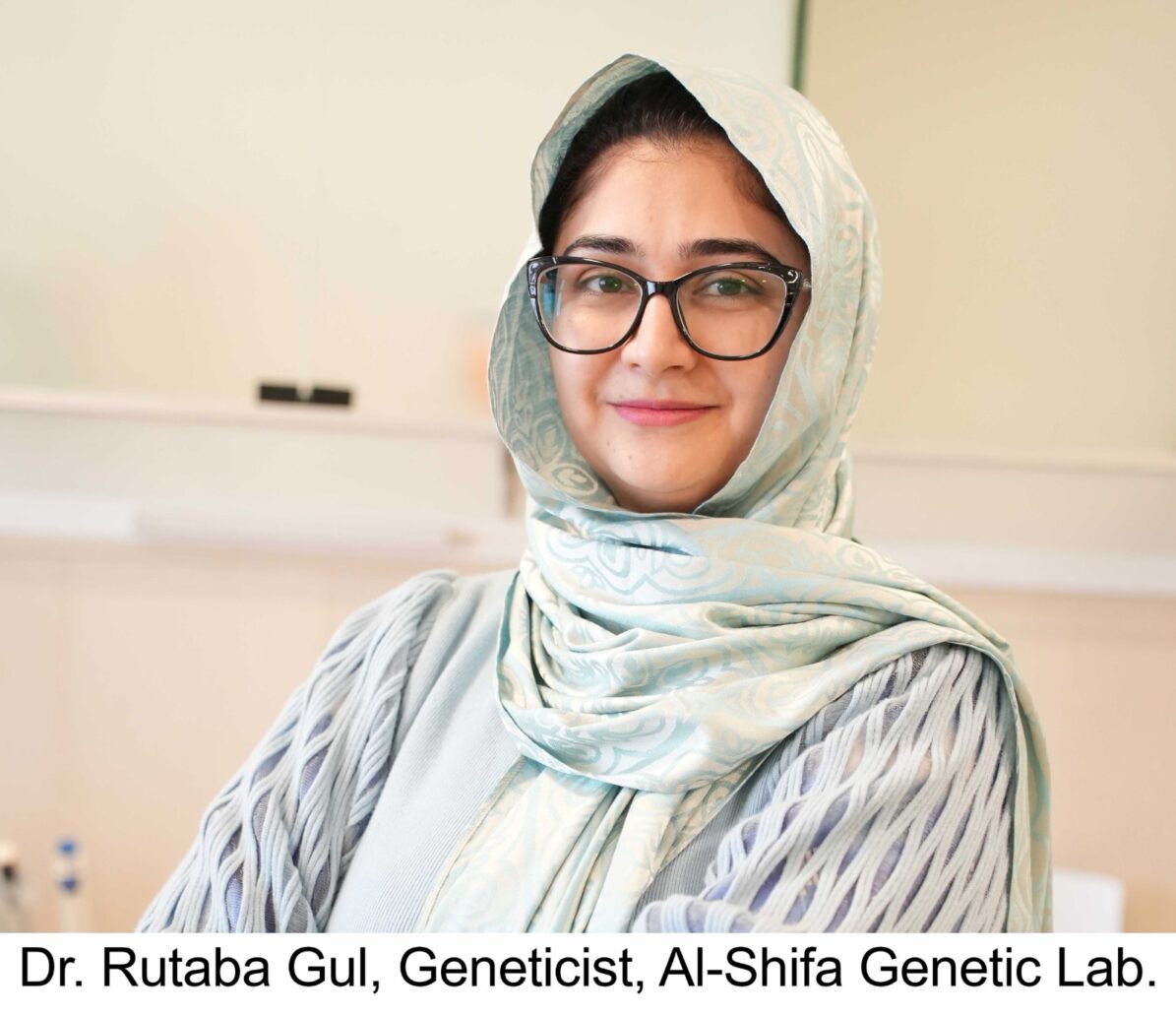
The database, developed by the hospital’s Department of Ophthalmic Genetics under geneticist Dr Rutaba Gul and senior bioinformatician Abu Bakar, records mutations linked to inherited retinal diseases, congenital cataracts, glaucoma, and corneal dystrophies.
The initiative aims to address a major gap in global genomic medicine, where most reference data comes from European or East Asian populations and often does not accurately reflect South Asian genetic patterns. Pakistan carries a comparatively high burden of inherited eye disorders because cousin marriages increase the risk of recessive genetic diseases.
According to Al-Shifa data, hereditary and congenital conditions account for nearly 40% to 60% of childhood blindness cases in Pakistan. Specialists believe earlier diagnosis through genetic screening can help doctors identify at-risk children before symptoms worsen, improve family counselling, and support future gene-therapy planning.
The hospital’s dedicated ophthalmic genetics laboratory, established in January 2025, has already completed free genetic testing for 150 patients across the country, leading to the identification of 45 different eye-related genetic diseases. Officials said each test can cost nearly Rs100,000 in the private market, making access difficult for many families.
President of Al-Shifa Trust Maj Gen (Retd) Rehmat Khan said the organisation plans to expand the programme into a broader national database and integrate genetic screening services across its hospital network.
“This database is not just a scientific tool; it is a step toward better outcomes for future generations,” Dr Rutaba Gul said.
She said the initiative could help reduce avoidable disability, lower long-term treatment costs, and improve educational and employment opportunities for children living with inherited vision disorders, while also strengthening Pakistan’s role in global genomic research.
